
Standardizing Event Execution Through Software Platforms
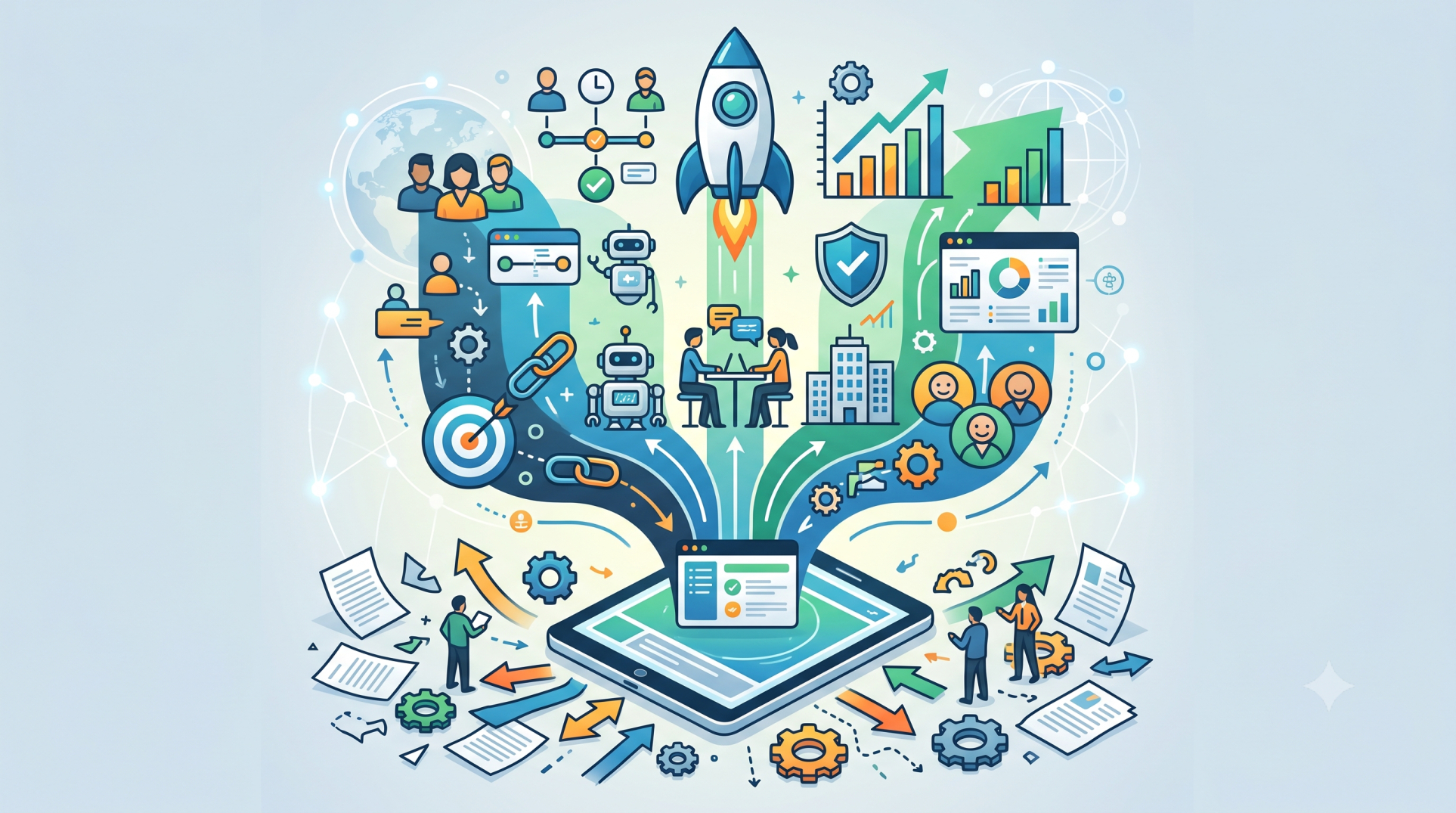
Standardizing Event Execution Through Software Platforms
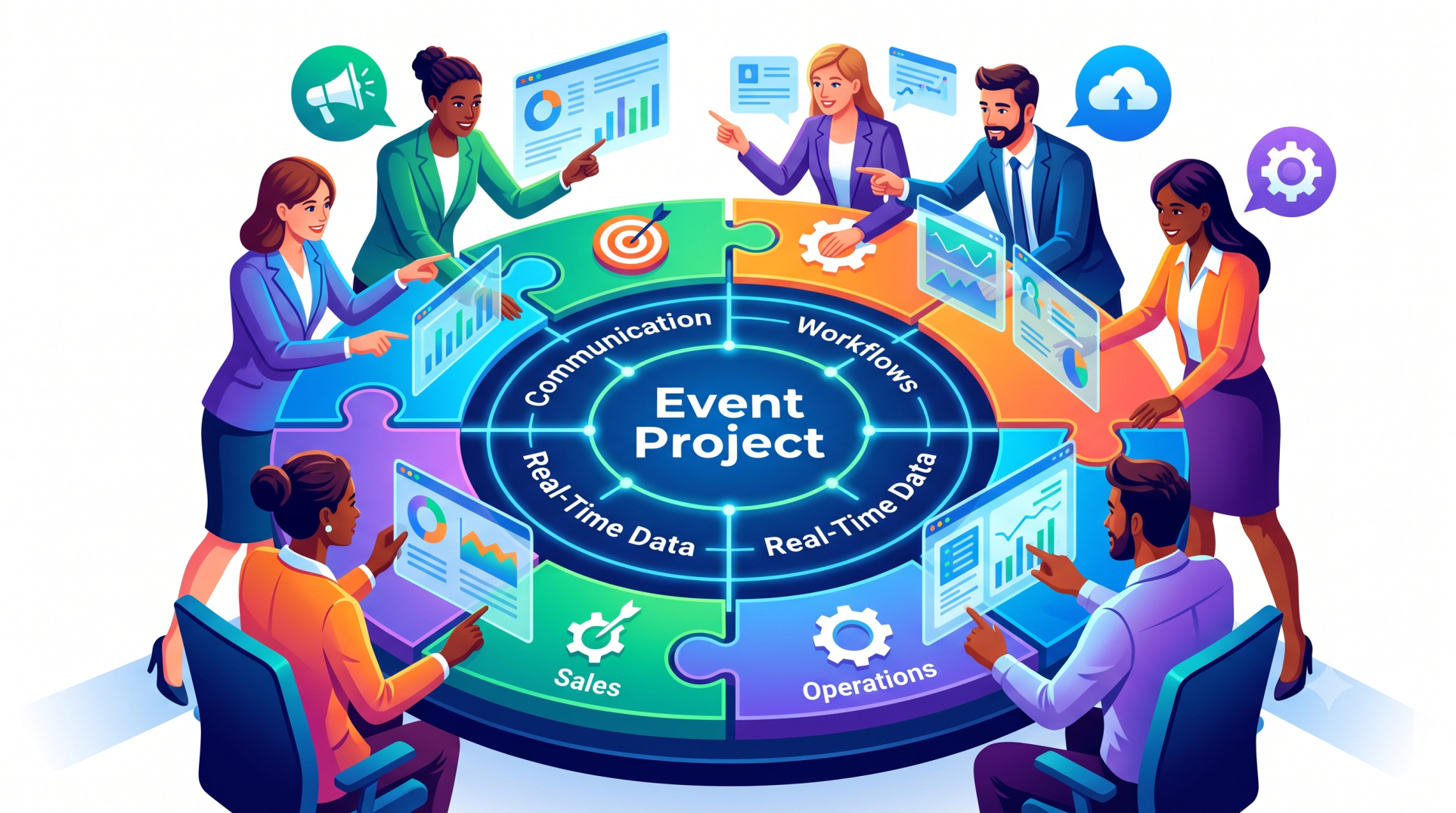
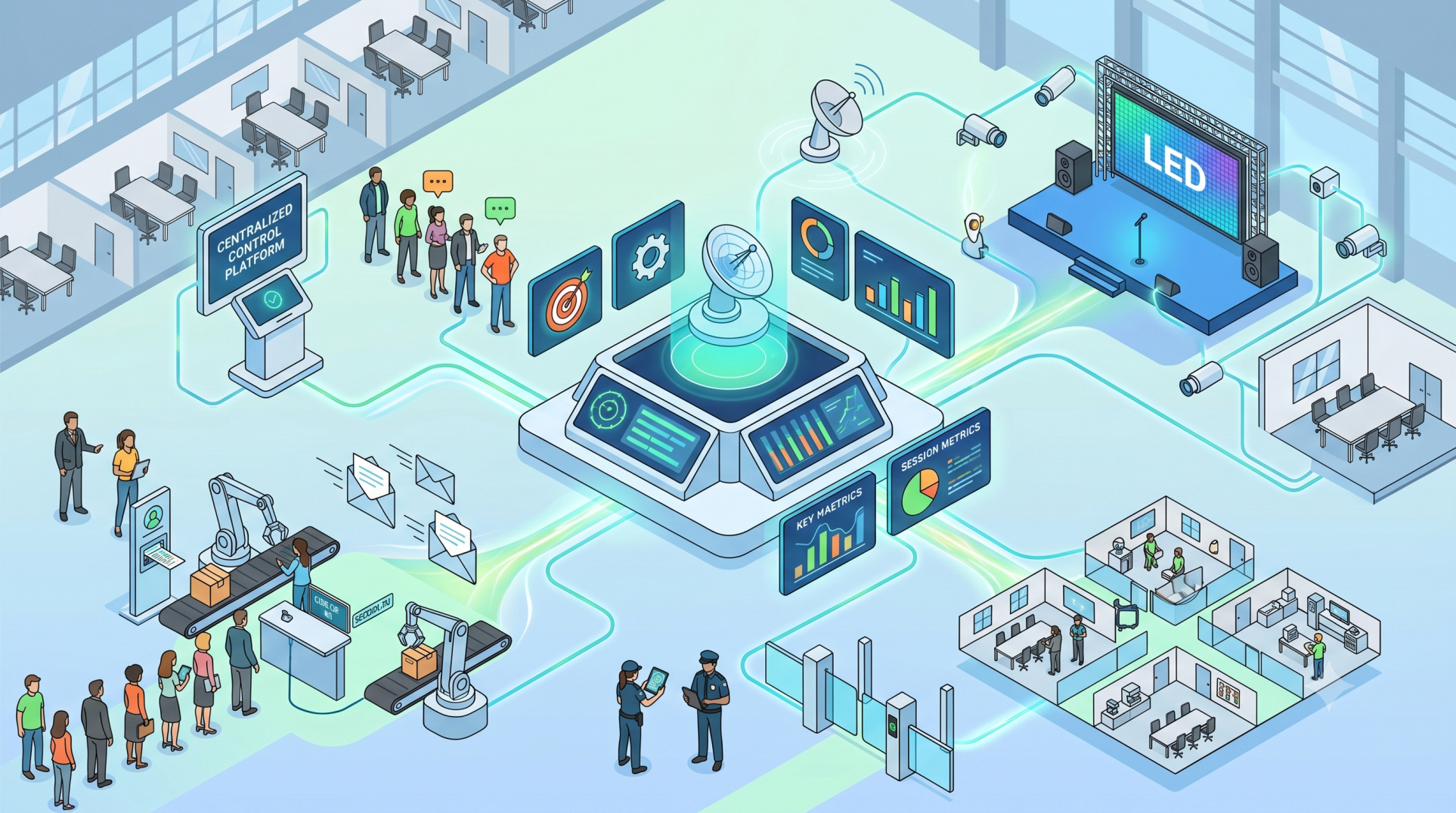
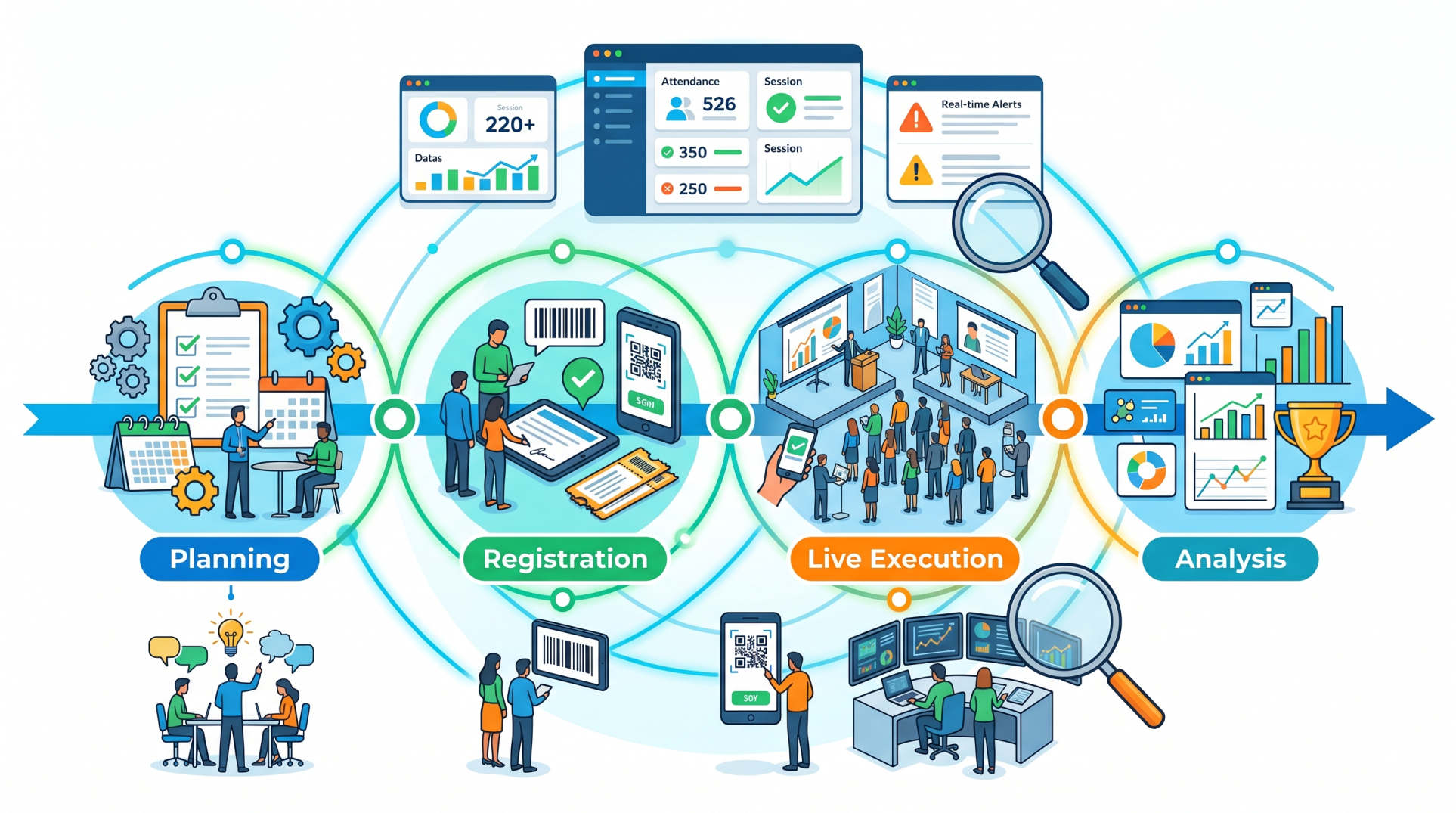
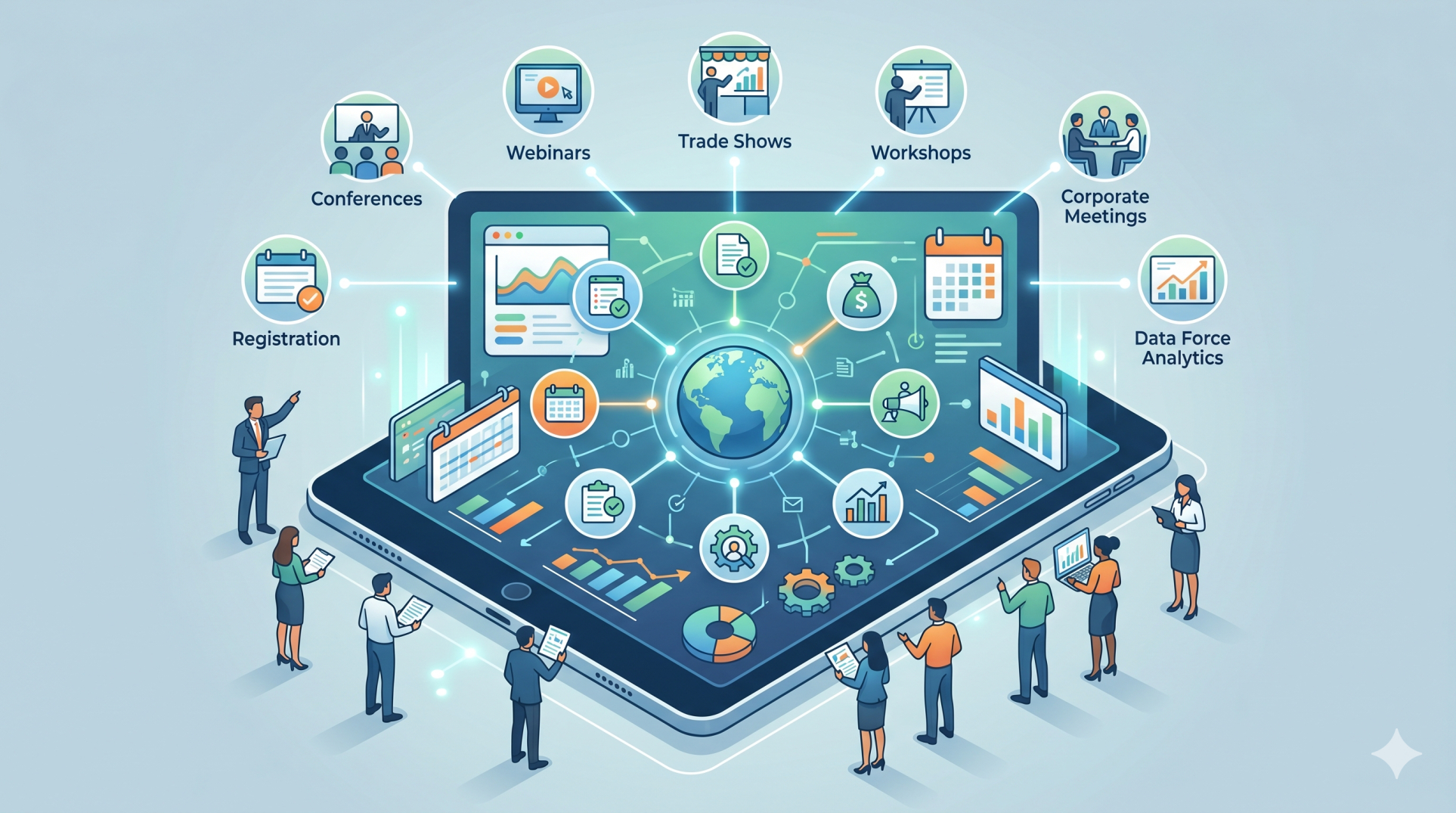
Enterprise events often involve multiple teams, vendors, schedules, venues, and attendee workflows operating simultaneously. Without standardized processes, this complexity can create communication gaps, inconsistent execution, and operational delays. Software platforms provide a structured environment for managing event activities through unified workflows, shared data, automation, and real-time visibility. By standardizing execution digitally, organizations can deliver more consistent and scalable event experiences.
Step 1: Creating a Unified Event Framework 🎯
• Centralize event planning and execution within one digital environment 🖥️
• Establish consistent workflows across teams and locations 🔄
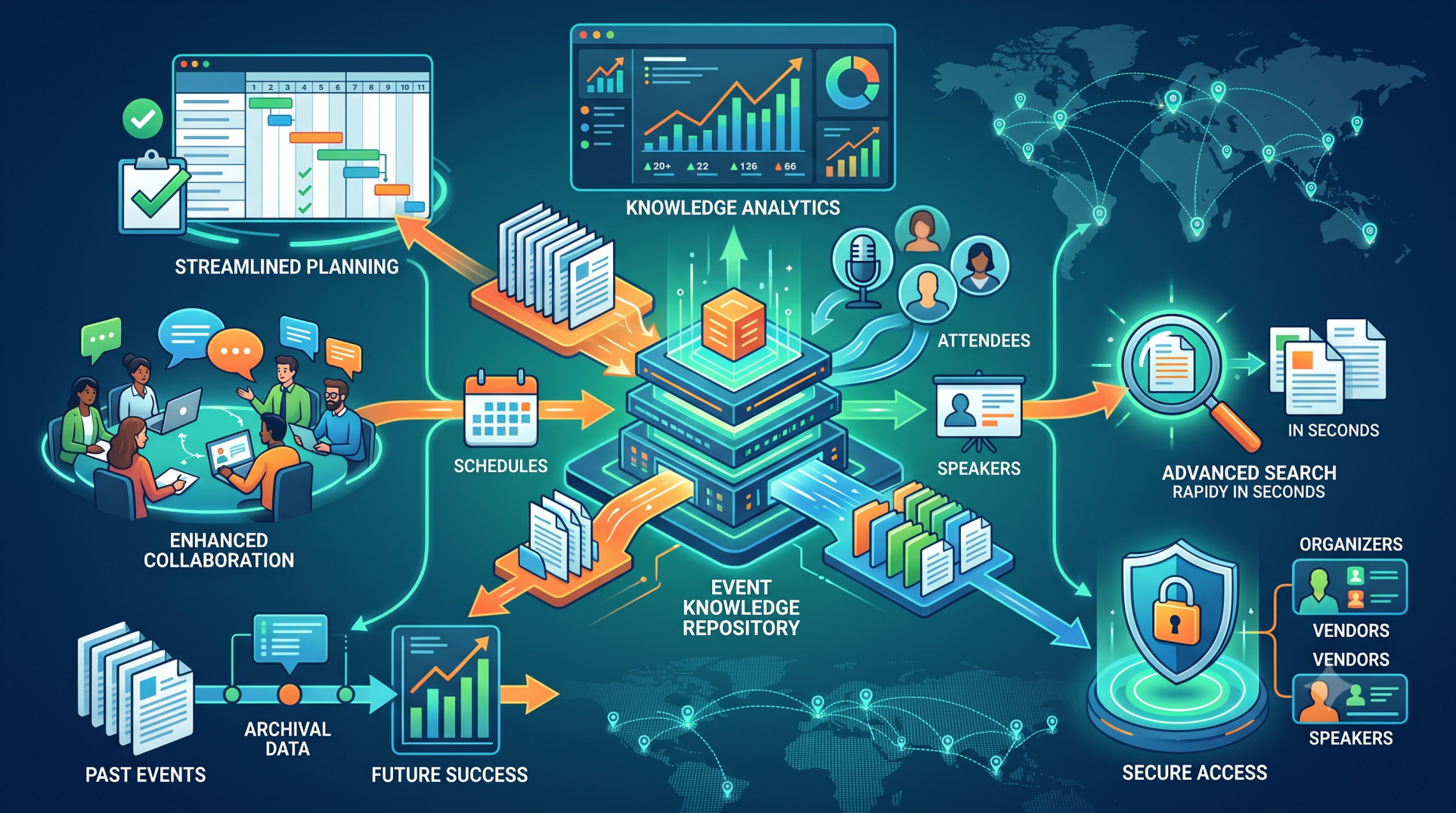
• Maintain shared event information in a unified system 📂
• Reduce dependence on disconnected tools and manual processes ⚙️
• Create repeatable operational structures for different event formats 📋
Step 2: Standardizing Event Workflows 🔗
• Define consistent processes for registration, scheduling, and approvals 📝
• Establish clear responsibilities across event teams 👥
• Use predefined workflows for recurring operational activities 🔄
• Reduce process variations between events and departments 📊
• Maintain consistent execution from planning through completion ✅
Step 3: Automating Repetitive Operations 🤖
• Automate attendee confirmations and notifications 📧
• Streamline approval and task-assignment processes ⚙️
• Schedule reminders for speakers, vendors, and staff ⏰
• Reduce repetitive administrative activities 📋
• Improve operational speed while minimizing manual errors 🚀
Step 4: Coordinating Teams and Responsibilities 🤝
• Assign tasks through centralized event dashboards 🖥️
• Track ownership and completion status in real time 📈
• Improve communication between internal and external teams 💬
• Provide stakeholders with access to relevant information 🔐
• Keep activities aligned with event timelines and priorities 📅
Step 5: Managing Event Resources Efficiently 🏢
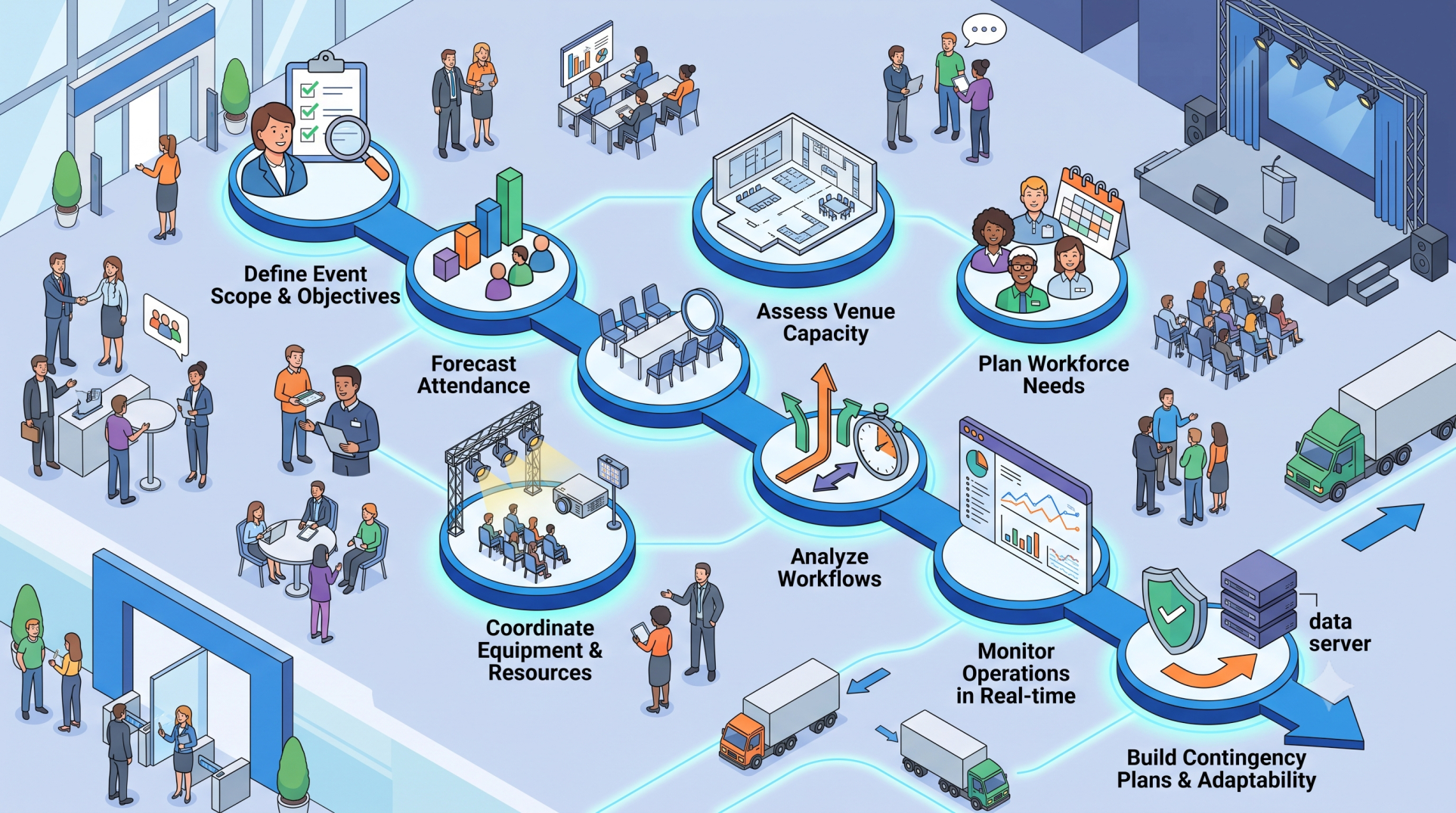
• Coordinate venues, rooms, equipment, and other resources 📦
• Prevent scheduling conflicts through centralized planning 📅
• Monitor resource availability throughout event execution 👀
• Allocate staff based on operational requirements 👥
• Improve utilization across multiple event activities ⚙️
Step 6: Maintaining Consistent Attendee Experiences 🎟️
• Standardize registration and check-in procedures ✅
• Provide consistent communication across attendee touchpoints 📲
• Keep schedules and event information synchronized 🔄
• Deliver timely updates when programme details change 📢
• Create smoother experiences across physical, virtual, and hybrid events 🌐
Step 7: Enabling Real-Time Operational Visibility 📊
• Monitor registrations, attendance, and event activities as they happen 📡
• Track task completion across operational teams ✔️
• Identify delays and potential issues early ⚠️
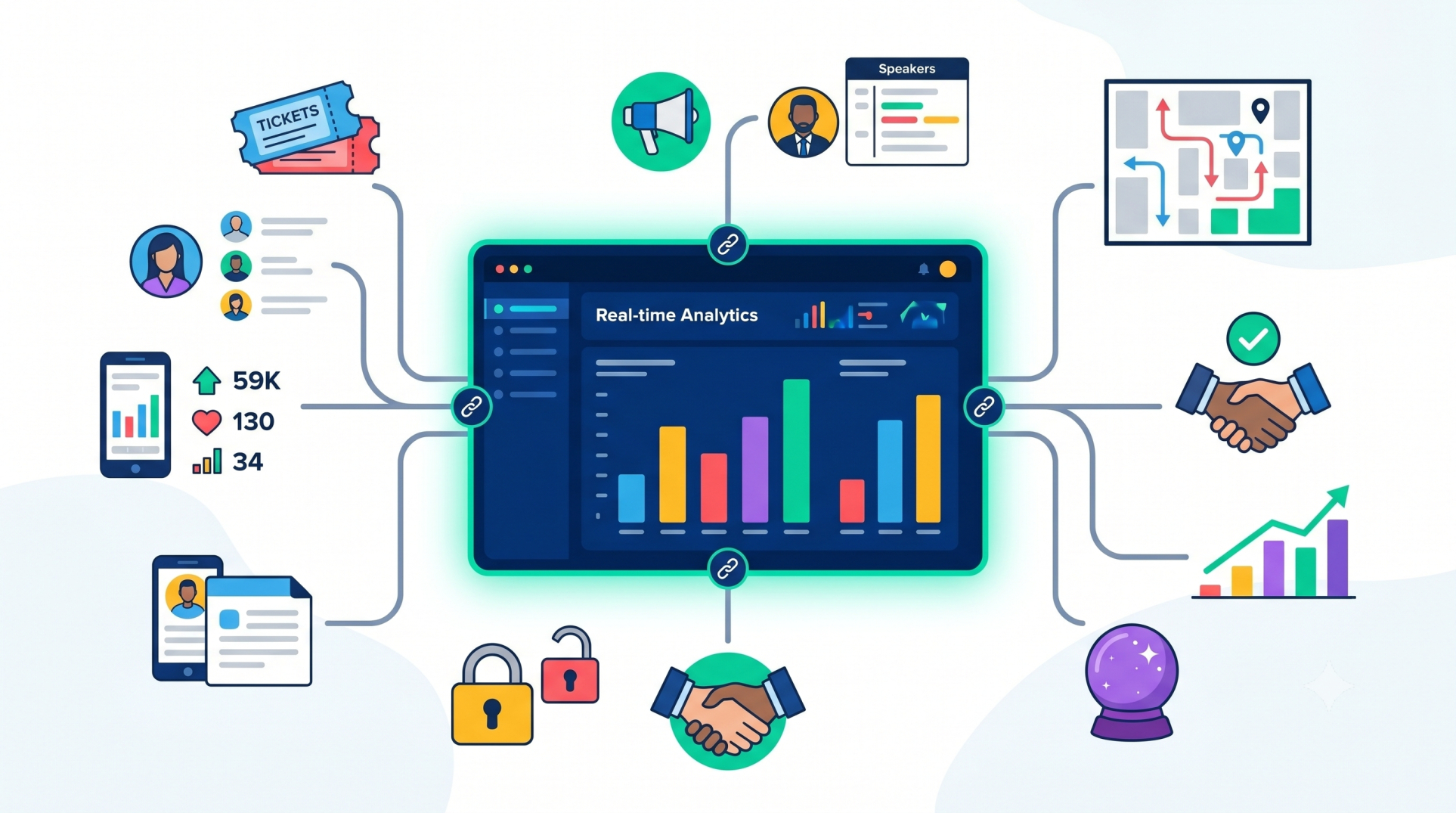
• Provide decision-makers with centralized dashboards 📈
• Support faster responses during live event operations ⚡
Step 8: Strengthening Governance and Control 🔐
• Apply standardized permissions across event systems 👥
• Maintain records of important operational activities 📝
• Establish consistent approval and escalation processes 📋
• Protect attendee and organizational information 🛡️
• Improve accountability through transparent digital workflows 🔍
Step 9: Measuring and Improving Event Performance 📈
• Track operational and attendee engagement metrics 📊
• Compare performance across different events and locations 🌍
• Identify recurring bottlenecks and process inefficiencies 🔍
• Use event data to refine future workflows 💡
• Transform operational insights into continuous improvements 🔄
Step 10: Scaling Standardized Event Operations 🚀
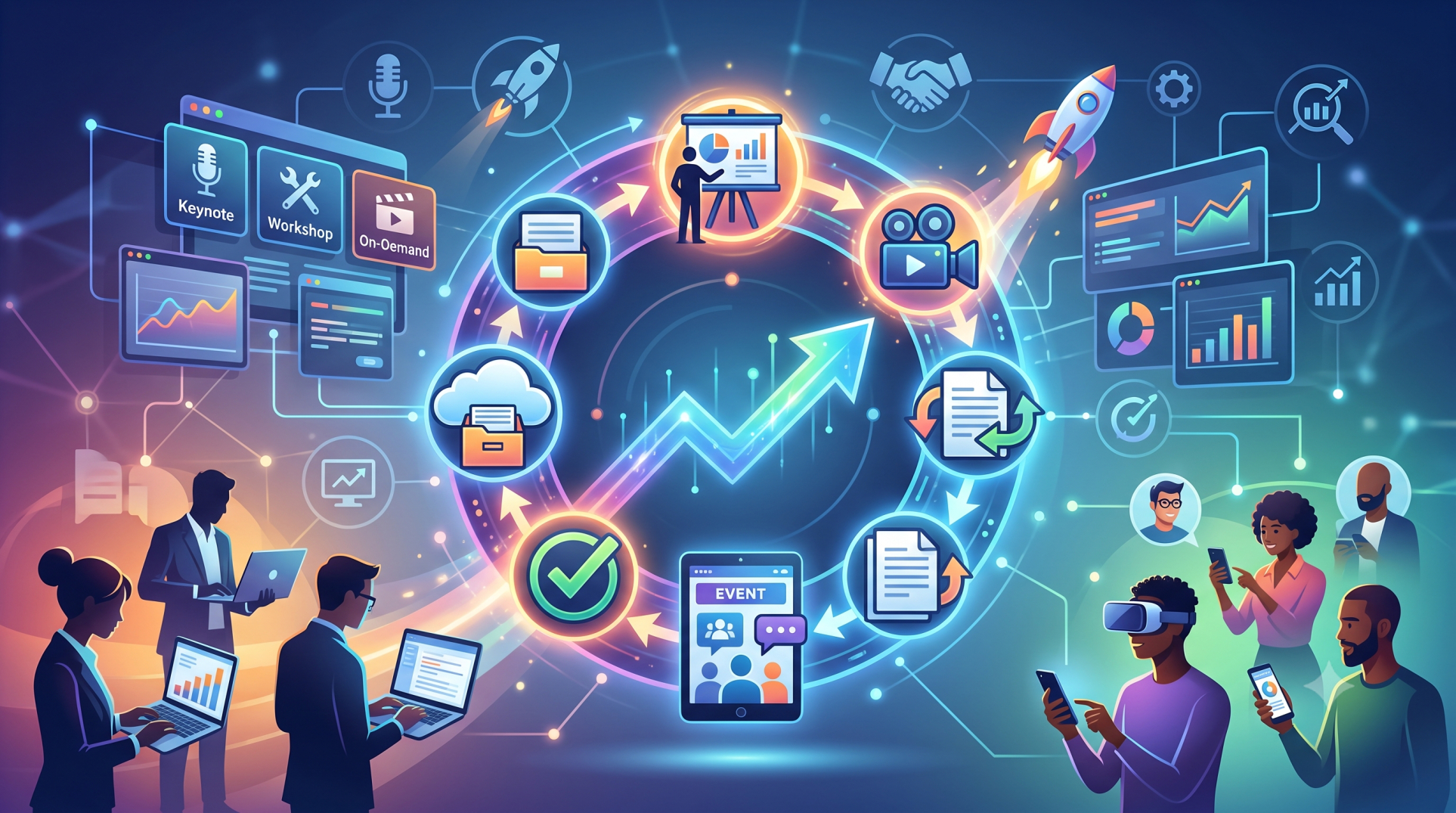
• Reuse proven workflows across future events 🔁
• Adapt standardized processes for different event formats 🧩
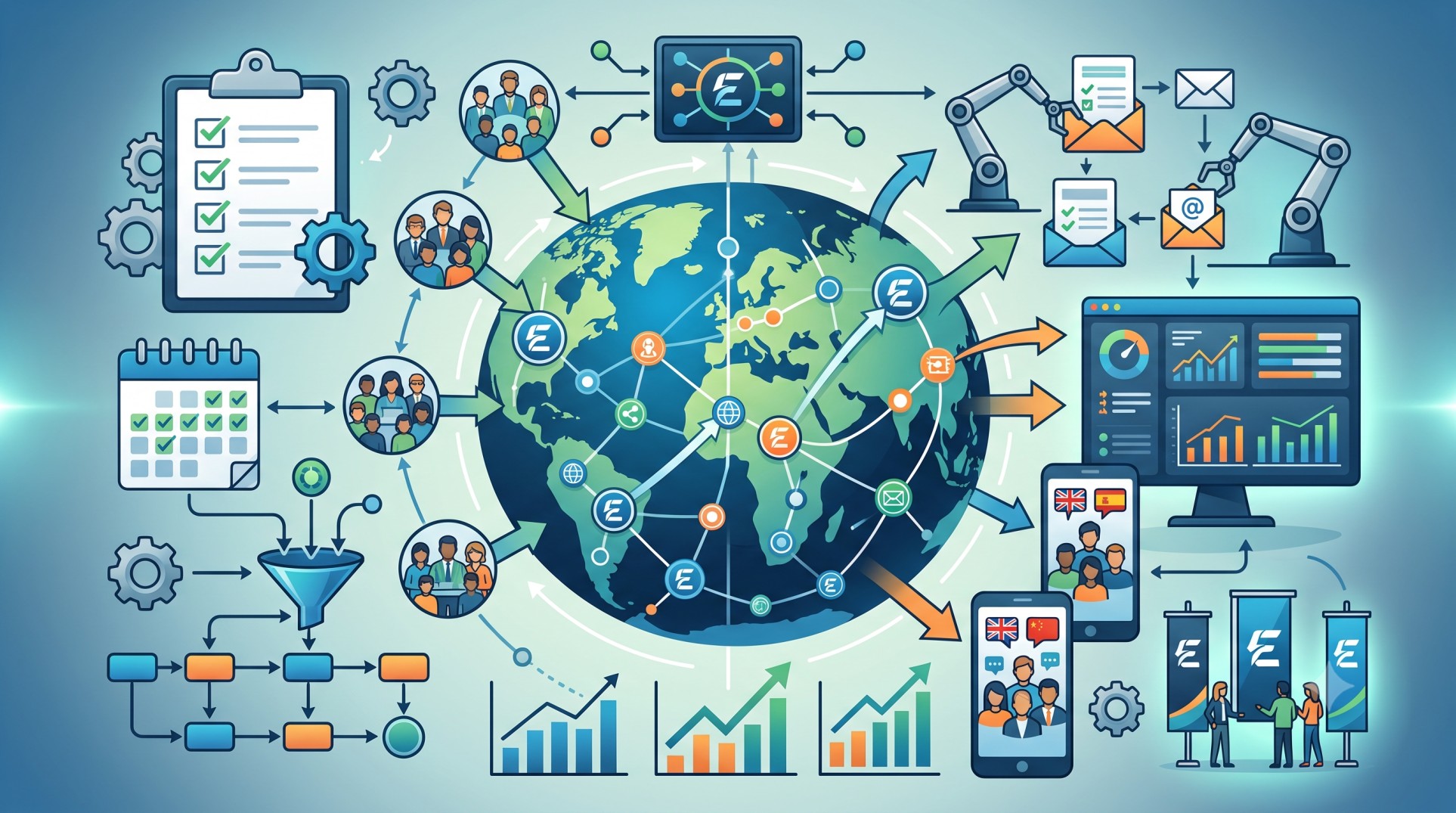
• Support multiple venues, teams, and regions through one platform 🌐
• Integrate new event technologies as requirements evolve 🔗
• Build a flexible software foundation for long-term event growth 🏗️
Conclusion
Standardizing event execution through software platforms enables organizations to replace fragmented processes with coordinated, repeatable, and measurable workflows. Centralized data, automation, real-time visibility, and consistent operational controls help event teams reduce complexity while improving execution quality. As event programmes expand across locations and formats, a standardized software framework provides the scalability and flexibility required to maintain reliable event operations.
See more blogs
You can all the articles below
























Ready to Find Your Perfect Solution?
Let us show you how Event Software can transform your events

AI-powered event management platform that helps you create stunning events .