
Resource Planning and Allocation Through Event Platforms
Resource Planning and Allocation Through Event Platforms
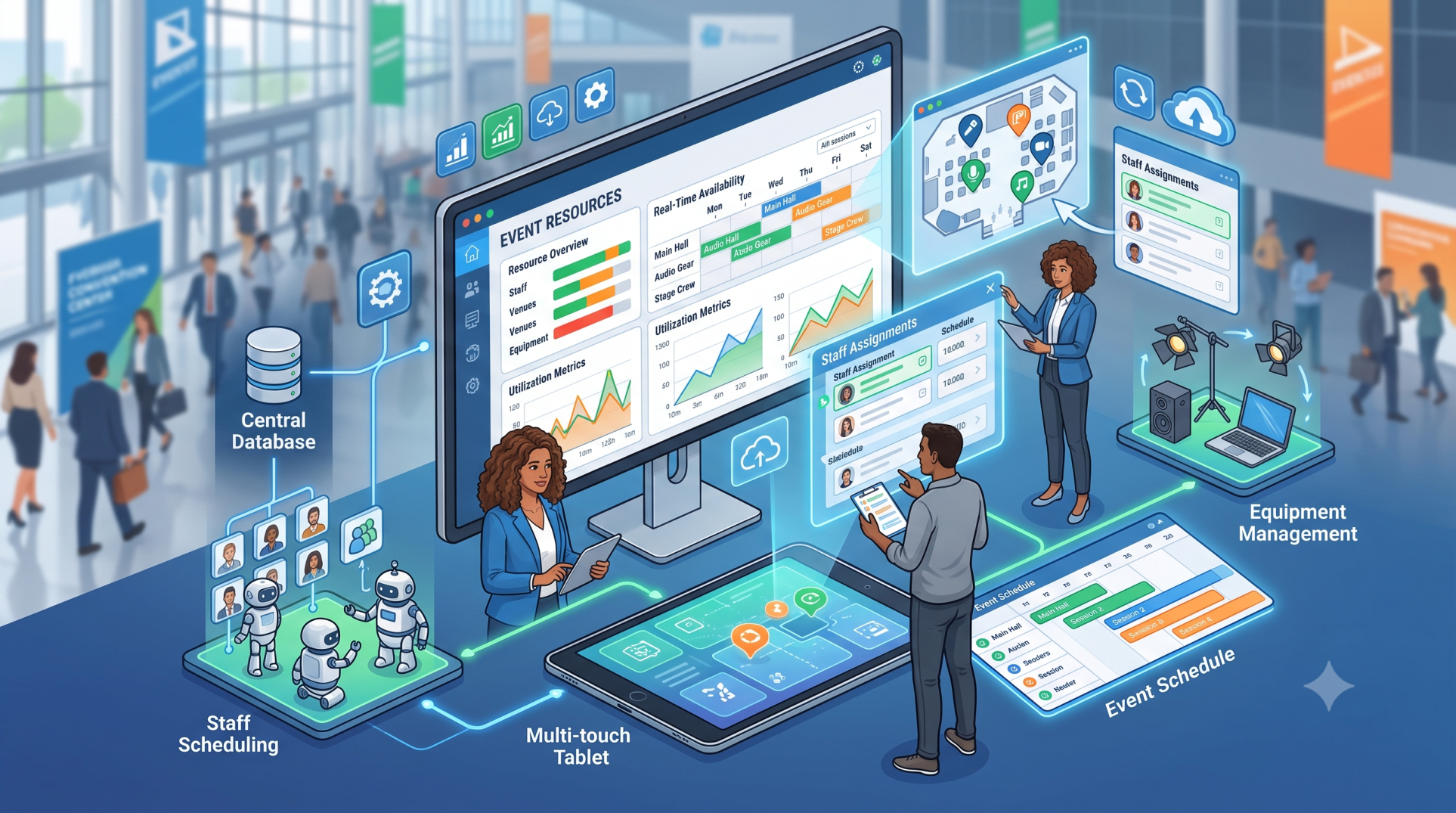
Successful events rely on the effective planning and allocation of resources, from venues and equipment to staff, speakers, and budgets. Modern event platforms provide centralized tools that help organizers manage these resources efficiently while adapting to changing schedules and operational demands. By automating planning processes and providing real-time visibility, event platforms improve coordination, reduce resource conflicts, and ensure smooth event execution.
Step 1: Understanding Resource Planning 🗂️
• Identify the people, equipment, venues, and services required for each event 📋
• Define resource availability and operational requirements 🏢
• Align resources with event objectives and timelines 🎯
• Eliminate manual planning through centralized management ⚙️
• Establish a structured foundation for efficient event operations 🚀
Step 2: Centralizing Resource Management 🖥️
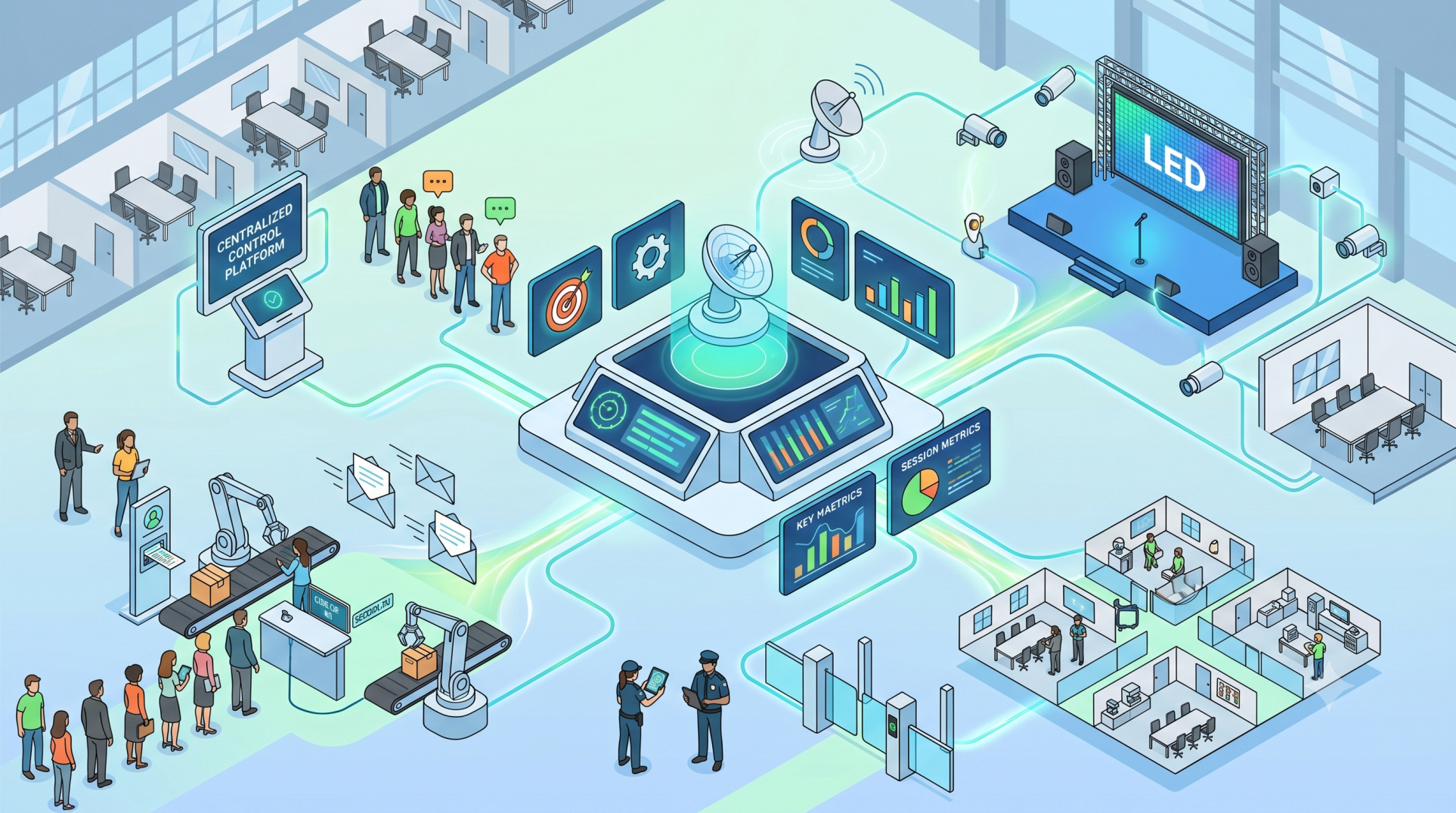
• Maintain a unified database of all event resources 📊
• Track availability, assignments, and utilization in real time 👀
• Consolidate information across departments and teams 🔗
• Improve collaboration through shared resource visibility 🤝
• Reduce duplication and scheduling conflicts ✅
Step 3: Automating Resource Allocation 🤖
• Assign resources based on availability and event requirements 📅
• Automate scheduling for staff, venues, and equipment ⚙️
• Balance workloads across teams efficiently ⚖️
• Minimize manual coordination and administrative effort ⏱️
• Improve planning accuracy with intelligent automation 📈
Step 4: Coordinating Event Schedules 📆
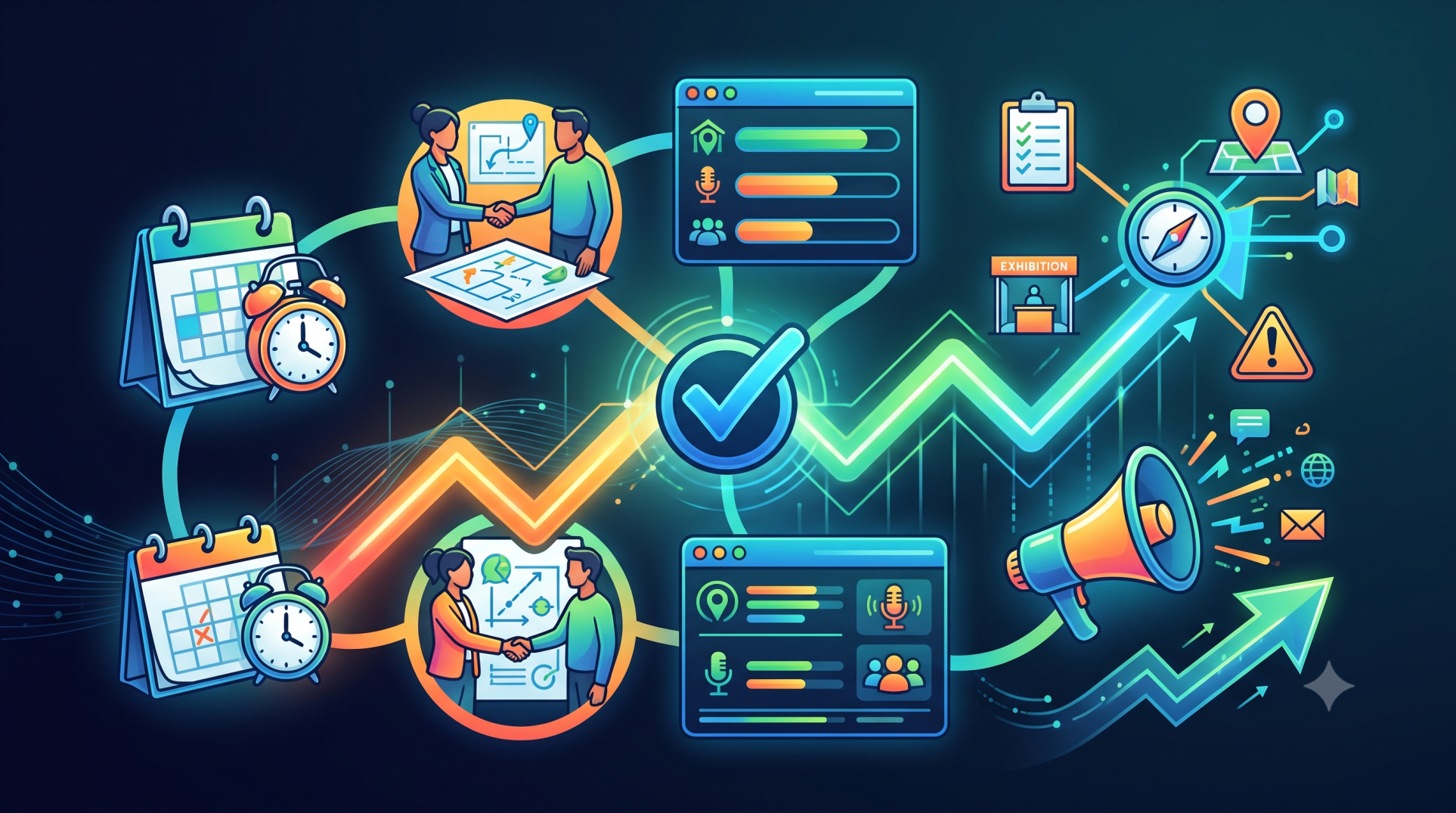
• Synchronize resource assignments with event timelines ⏰
• Prevent booking conflicts across multiple sessions 🚫
• Adjust schedules quickly when plans change 🔄
• Coordinate speakers, exhibitors, and support staff seamlessly 🎤
• Maintain operational continuity throughout the event 📡
Step 5: Optimizing Resource Utilization 📦
• Maximize the use of available venues and equipment 🏛️
• Allocate staff according to workload and event demand 👥
• Reduce idle resources through efficient planning 📉
• Improve operational efficiency across event activities 🚀
• Support cost-effective resource management 💰
Step 6: Enabling Real-Time Operational Visibility 📡
• Monitor resource usage throughout the event 📊
• Track staffing, equipment, and venue status in real time 👀
• Identify shortages or overutilization quickly 🚨
• Support informed decisions with live operational dashboards 🖥️
• Improve responsiveness to changing event conditions ⚡
Step 7: Managing Changes and Exceptions 🔄
• Reallocate resources when schedules shift 📅
• Respond quickly to unexpected operational challenges 🚧
• Replace unavailable resources with minimal disruption 🔁
• Maintain service quality during peak event activity 💪
• Ensure continuity through flexible resource planning 🛠️
Step 8: Key Resource Allocation Priorities ⭐
• Centralized planning and resource visibility 👀
• Automated scheduling and assignment workflows ⚙️
• Efficient utilization of people and assets 📈
• Scalable planning processes for events of any size 🚀
Step 9: Measuring Resource Performance 📊
• Evaluate resource utilization across the event 📋
• Analyze staffing efficiency and workload distribution 👥
• Measure equipment and venue usage 📦
• Identify opportunities to improve future planning 💡
• Use performance insights to optimize upcoming events 📈
Step 10: Building a Scalable Event Resource Strategy 🌍
• Design flexible planning processes for future growth 🏗️
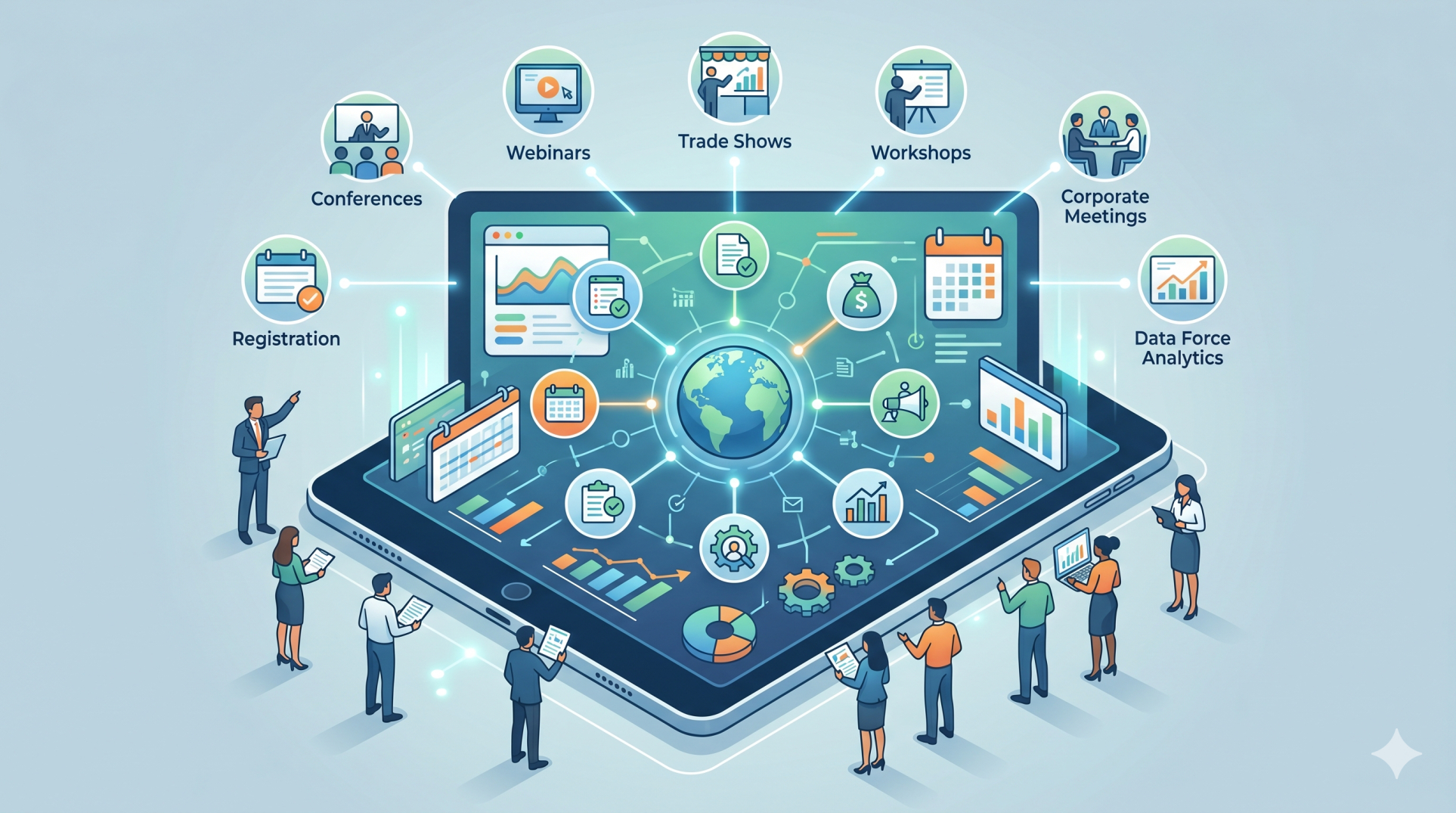
• Support hybrid, virtual, and in-person event formats 🌐
• Integrate additional operational tools as requirements evolve 🔗
• Adapt resource strategies to changing business needs 📈
• Future-proof event operations through scalable platform capabilities 🚀
Conclusion
Event platforms play a vital role in resource planning and allocation by bringing people, assets, schedules, and operational data together in a centralized environment. Through automation, real-time visibility, and intelligent coordination, organizations can optimize resource utilization, reduce operational complexity, and deliver successful events with greater efficiency. As event operations continue to grow in scale and complexity, modern event platforms provide the flexibility and control needed to support consistent, high-quality execution.
See more blogs
You can all the articles below




































Ready to Find Your Perfect Solution?
Let us show you how Event Software can transform your events

AI-powered event management platform that helps you create stunning events .