
Collaborative Workspaces for Event Operations

Collaborative Workspaces for Event Operations
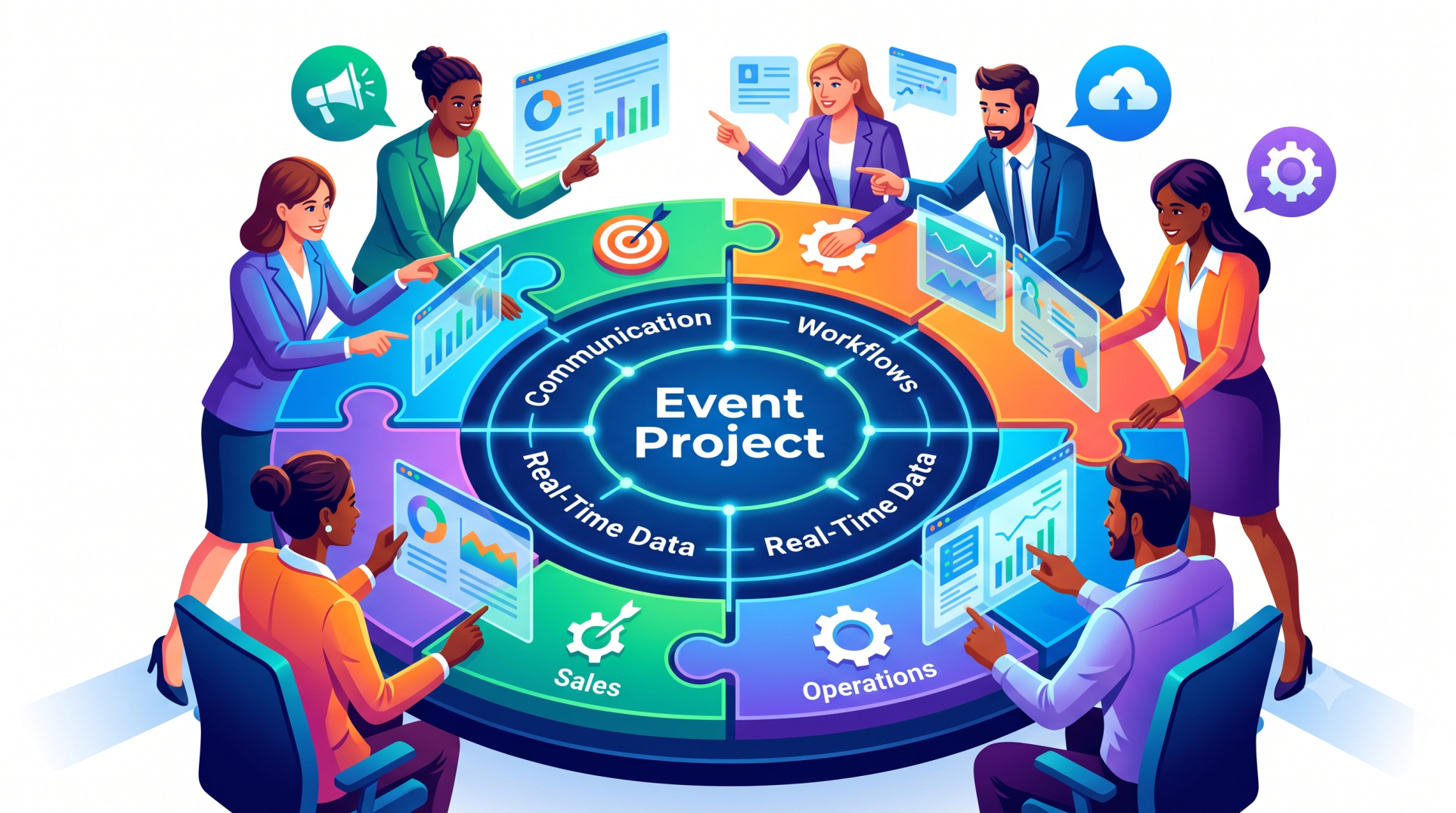
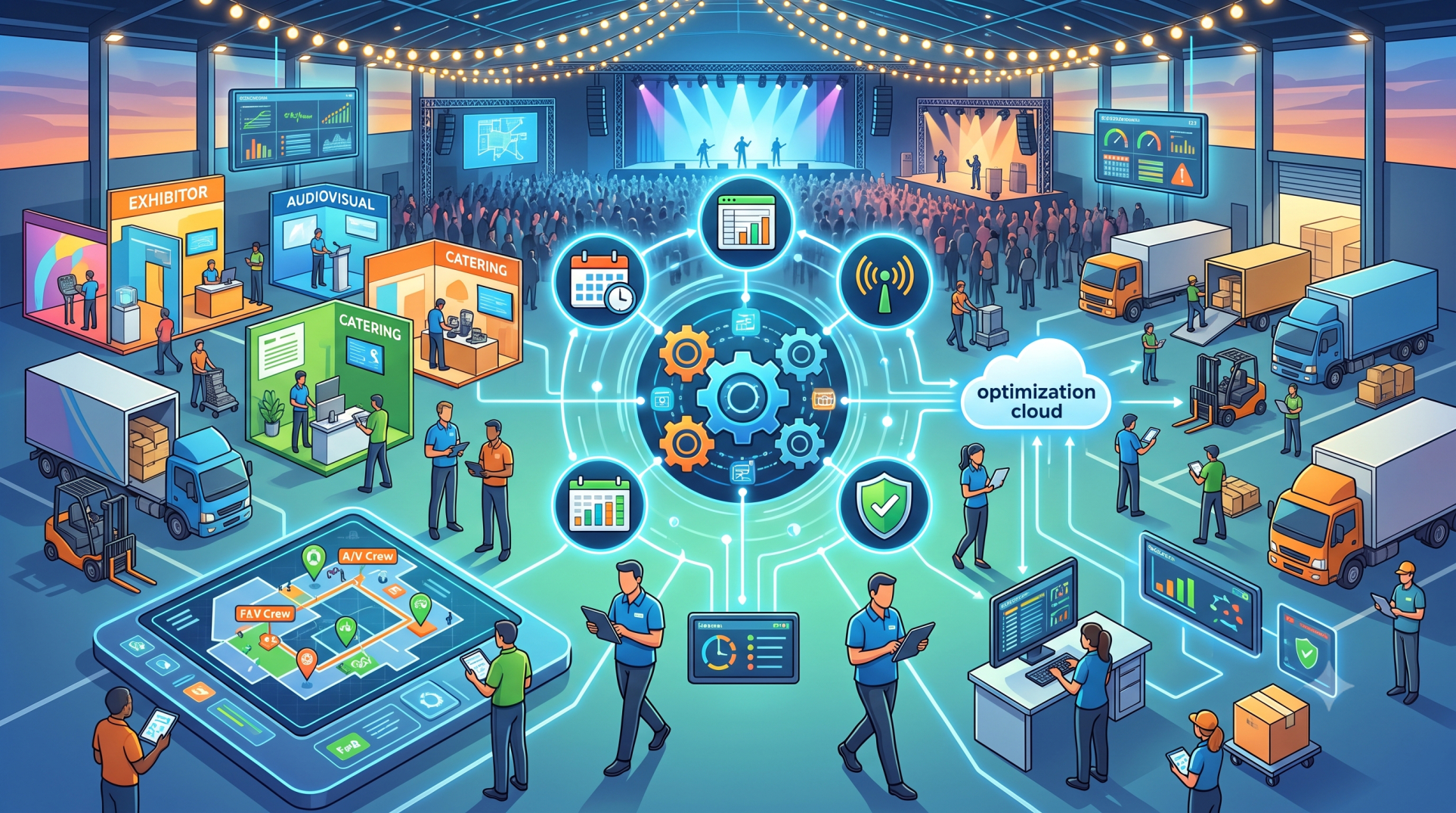
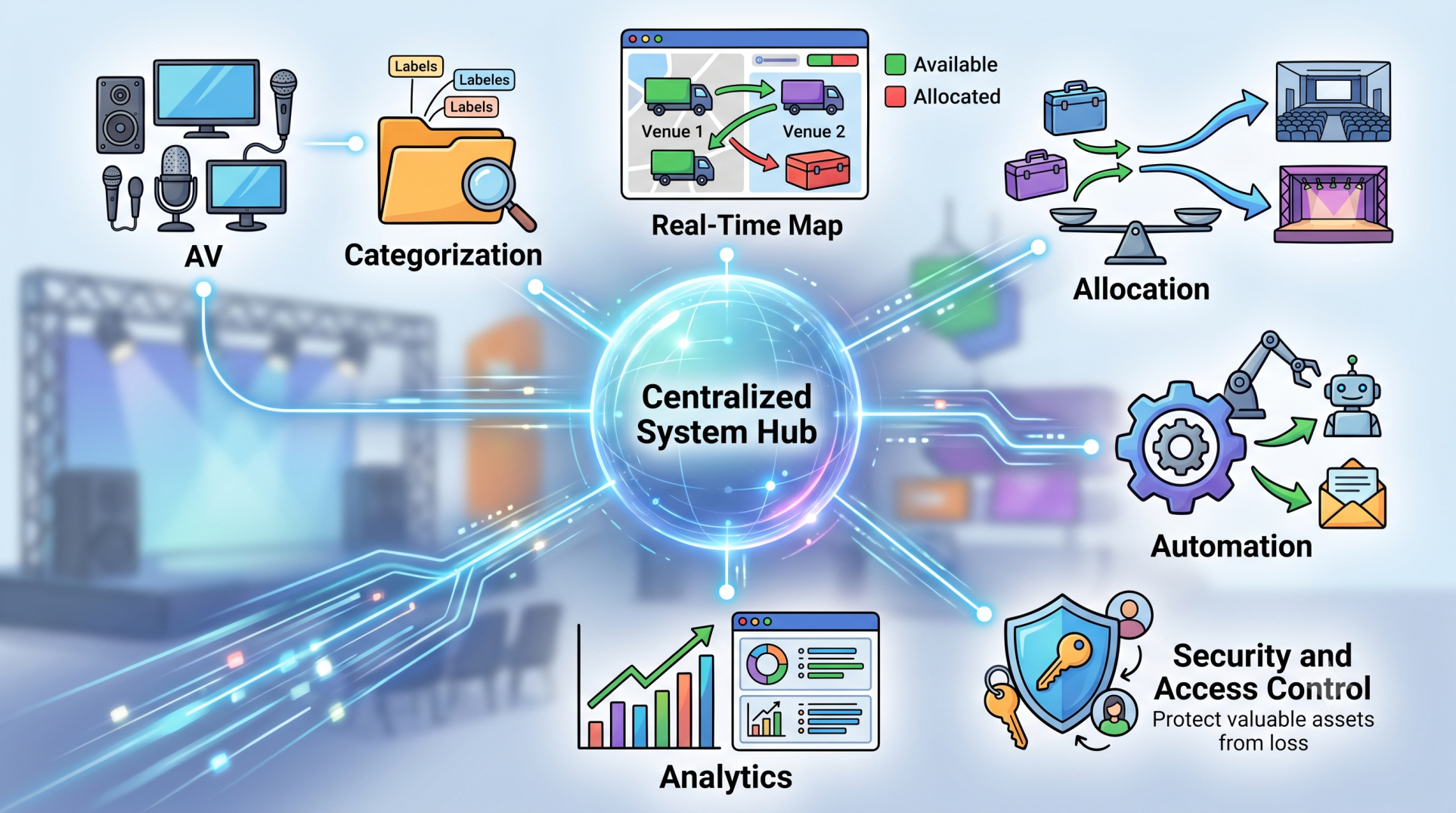
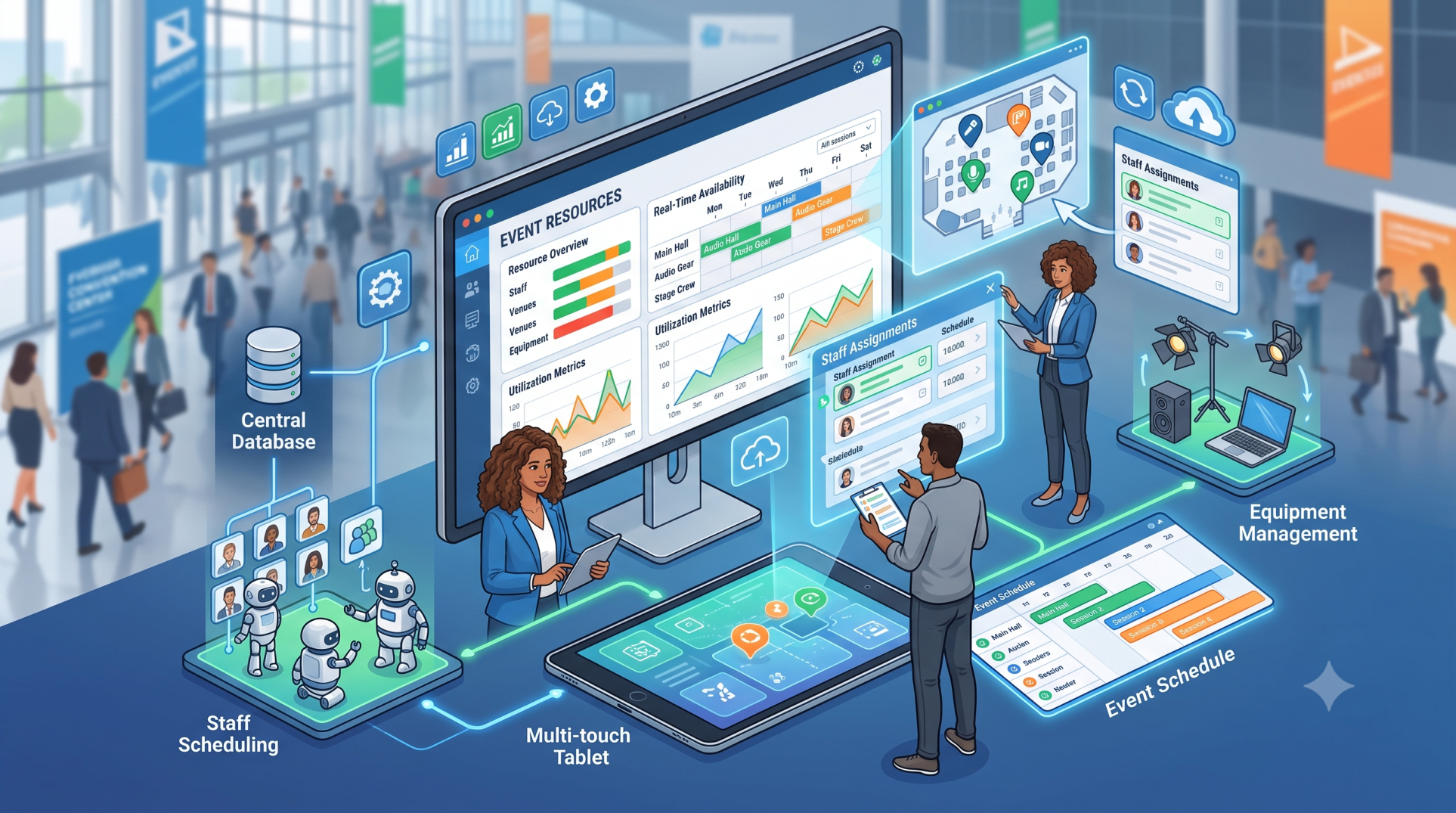
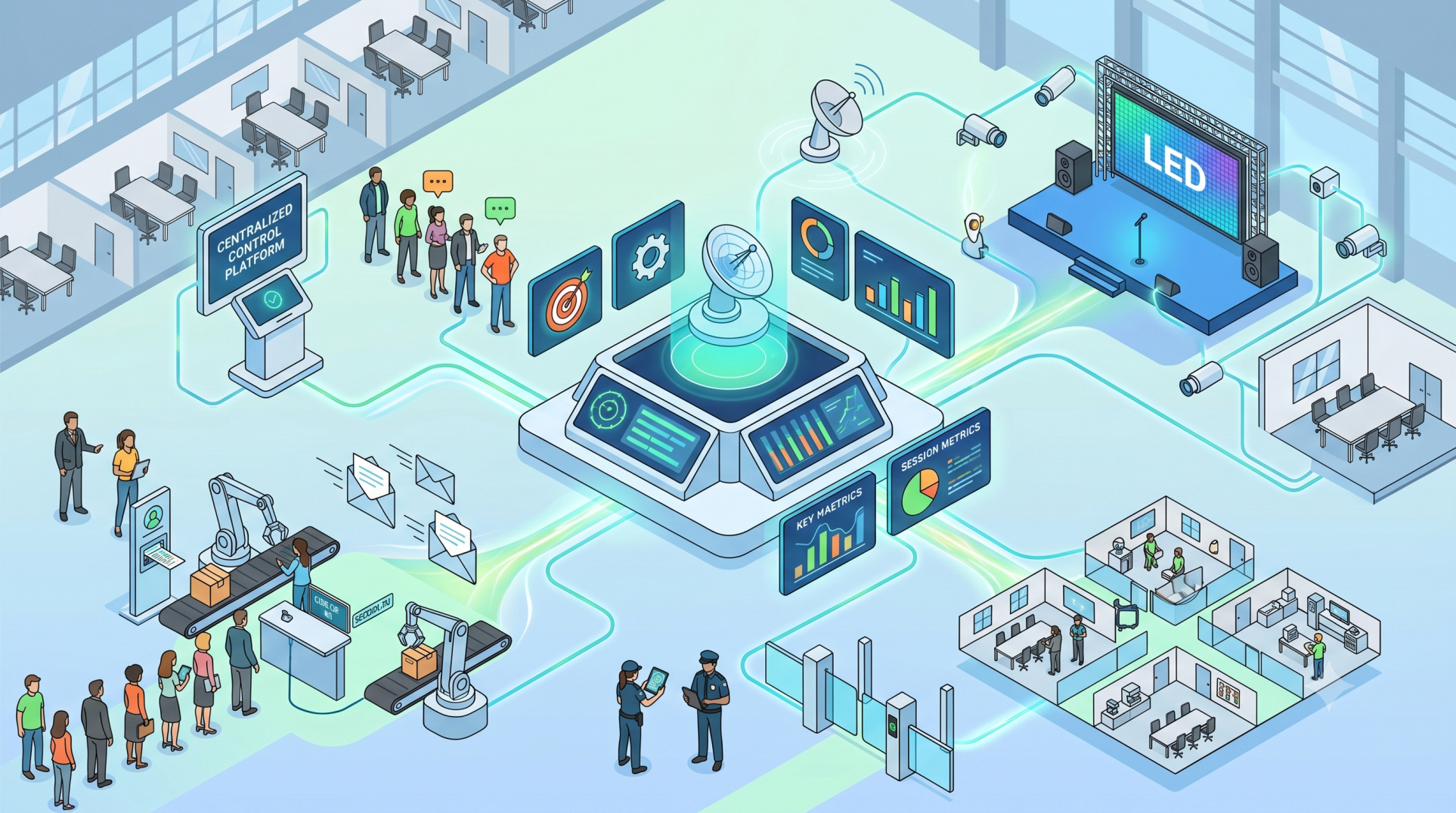
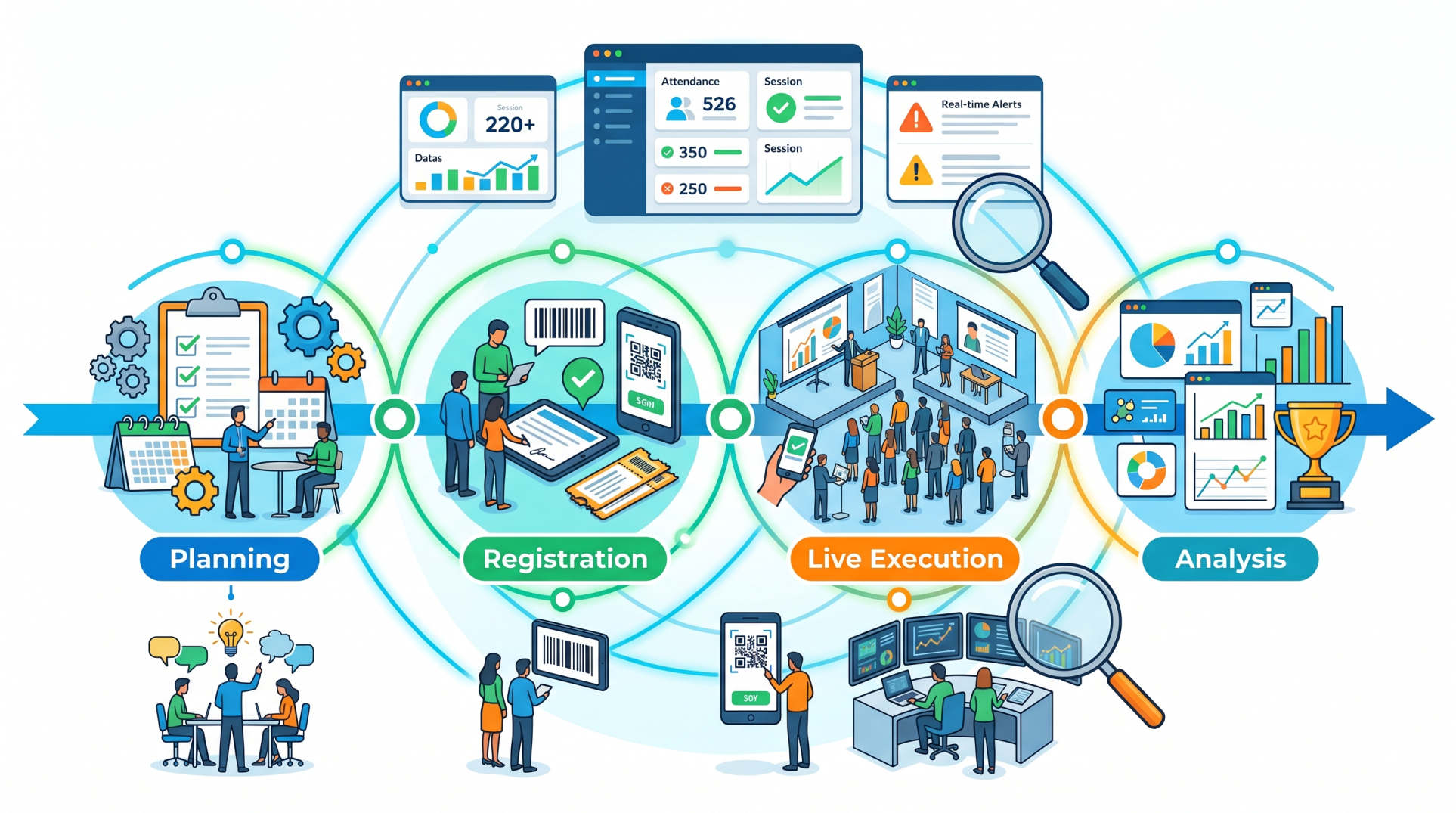
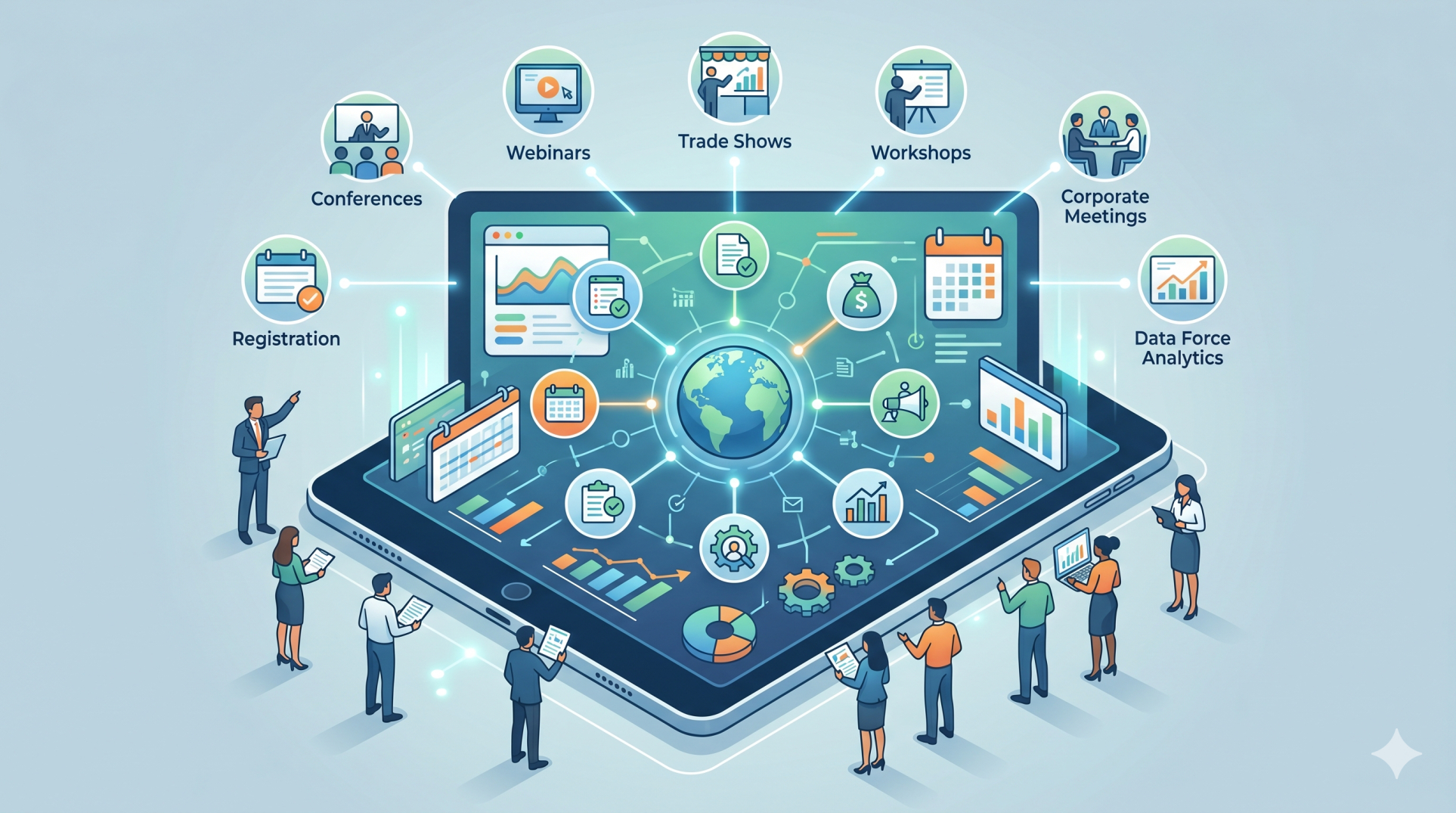
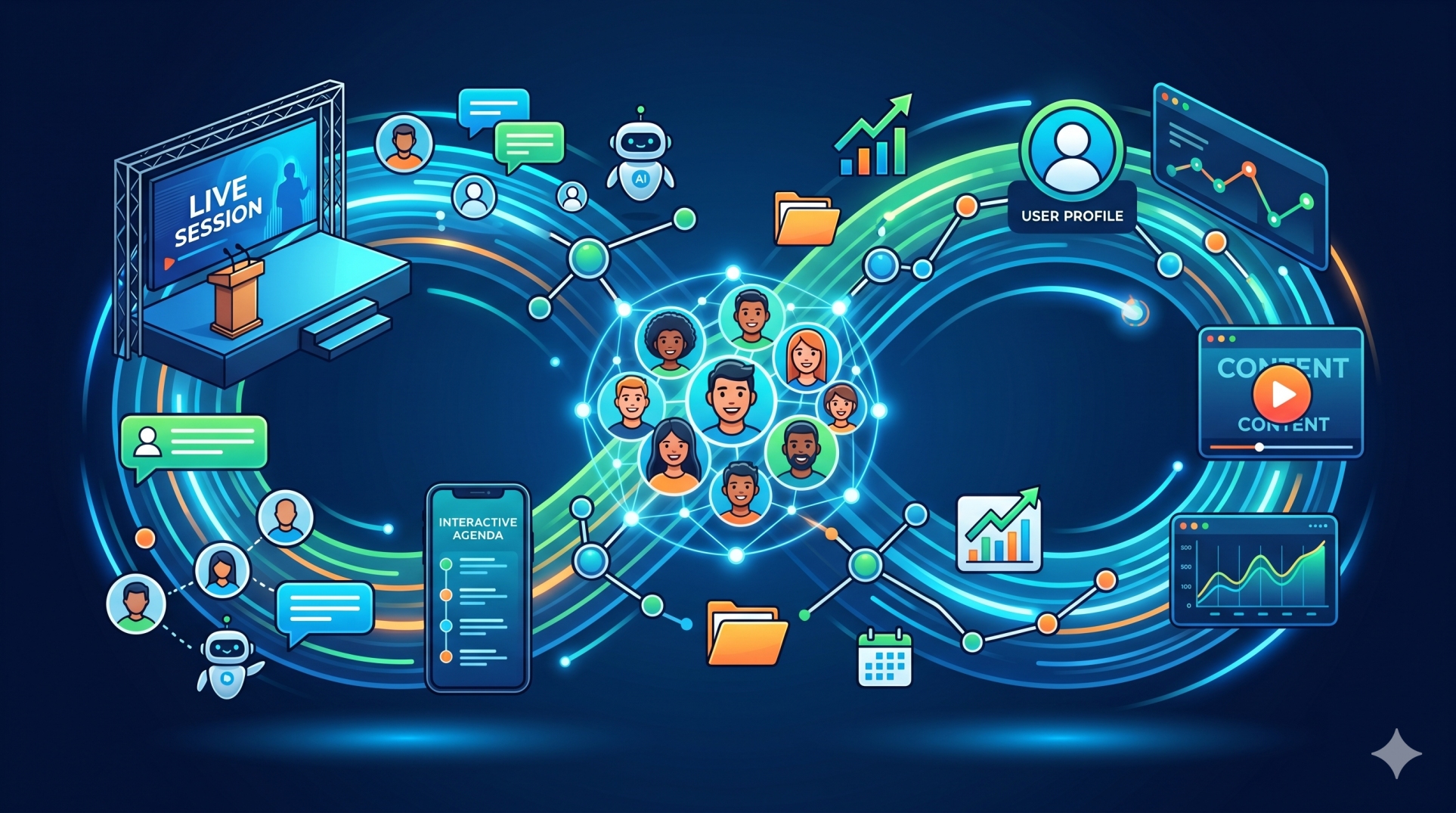
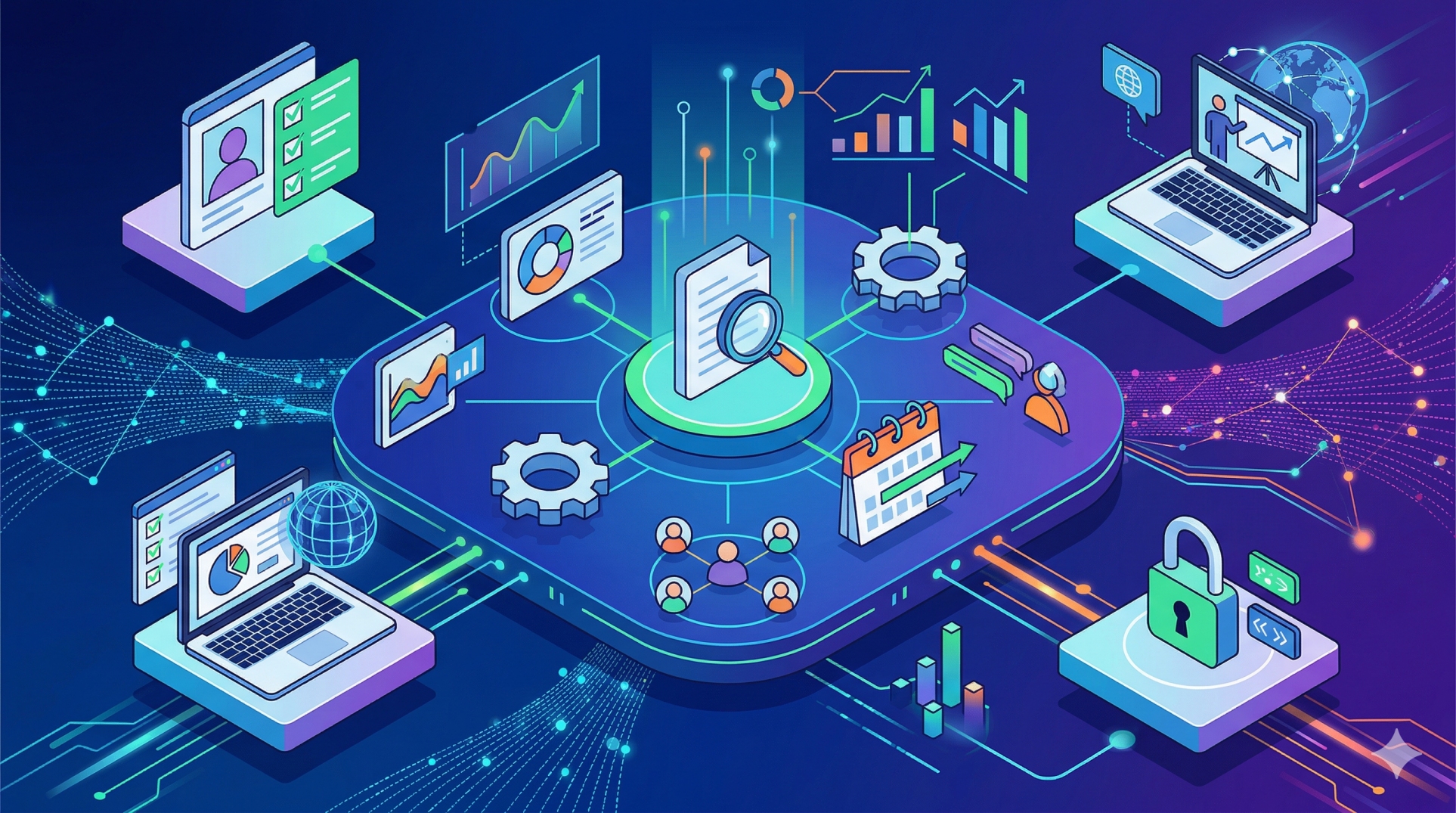
Successful event execution depends on seamless coordination between organizers, vendors, speakers, sponsors, volunteers, and venue teams. As enterprise events become more complex, collaborative workspaces provide a centralized environment where teams can communicate, share information, assign responsibilities, and monitor progress in real time. By bringing people, processes, and event data together, organizations can improve operational efficiency and deliver exceptional event experiences.
Step 1: Establishing a Centralized Collaboration Hub 🏢
• Create a unified workspace for all event stakeholders 🌐
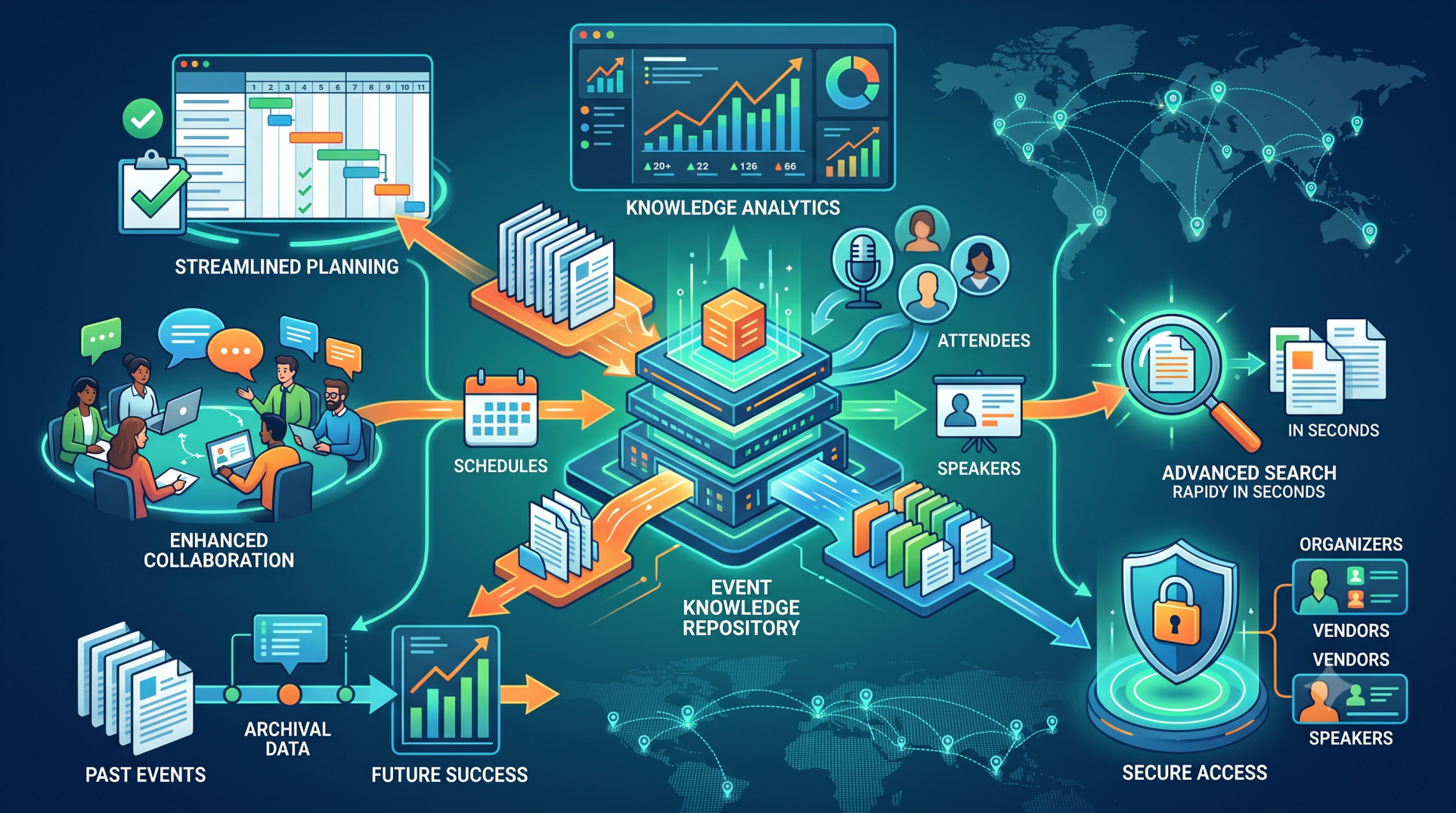
• Centralize schedules, documents, and operational updates 📂
• Eliminate fragmented communication across multiple platforms 🔄
• Improve visibility into event planning activities 👀
• Build a shared environment for efficient teamwork 🤝
Step 2: Organizing Teams and Responsibilities 👥
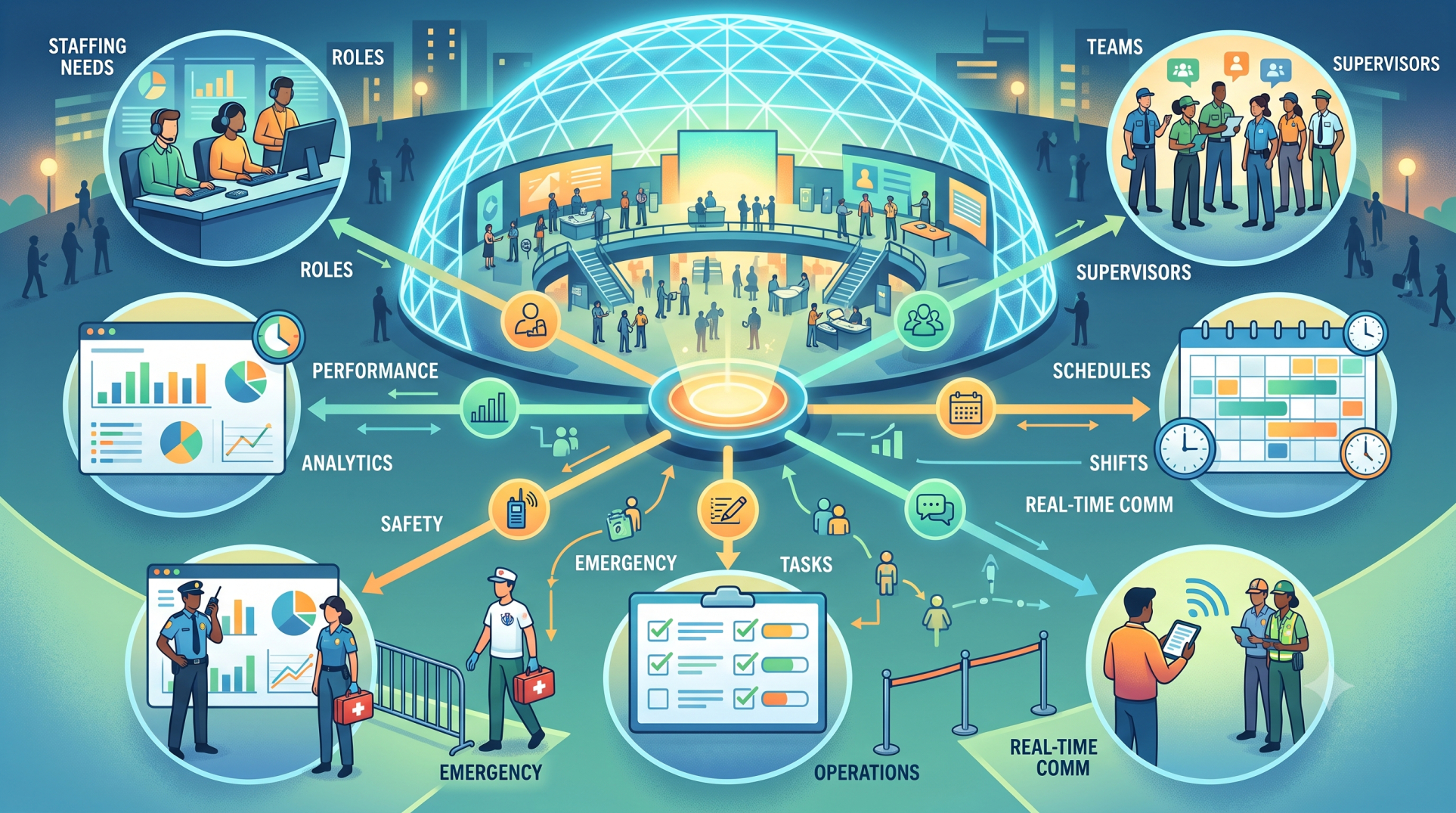
• Define roles for organizers, vendors, volunteers, and speakers 📋
• Assign responsibilities with clear ownership ✅
• Track task progress through shared dashboards 📊
• Coordinate cross-functional teams efficiently 🔗
• Improve accountability throughout event operations 🎯
Step 3: Streamlining Communication 💬
• Enable instant messaging and team discussions 📱
• Share important announcements in real time 📢
• Keep stakeholders informed with centralized updates 📨
• Reduce communication delays during live events ⚡
• Maintain a complete record of operational conversations 📝
Step 4: Managing Event Tasks and Workflows ⚙️
• Assign and prioritize operational tasks automatically 📌
• Track deadlines and milestone completion 📅
• Monitor dependencies between event activities 🔄
• Automate reminders for upcoming responsibilities ⏰
• Ensure consistent execution across planning stages 🚀
Step 5: Sharing Documents and Resources 📂
• Store contracts, schedules, floor plans, and presentations securely 📑
• Enable controlled access for different user groups 🔐
• Maintain version history for important documents 📚
• Support collaborative editing and document reviews ✍️
• Ensure quick access to essential event resources 📁
Step 6: Monitoring Real-Time Event Operations 📡
• Track registrations, check-ins, and attendee activity 🎟️
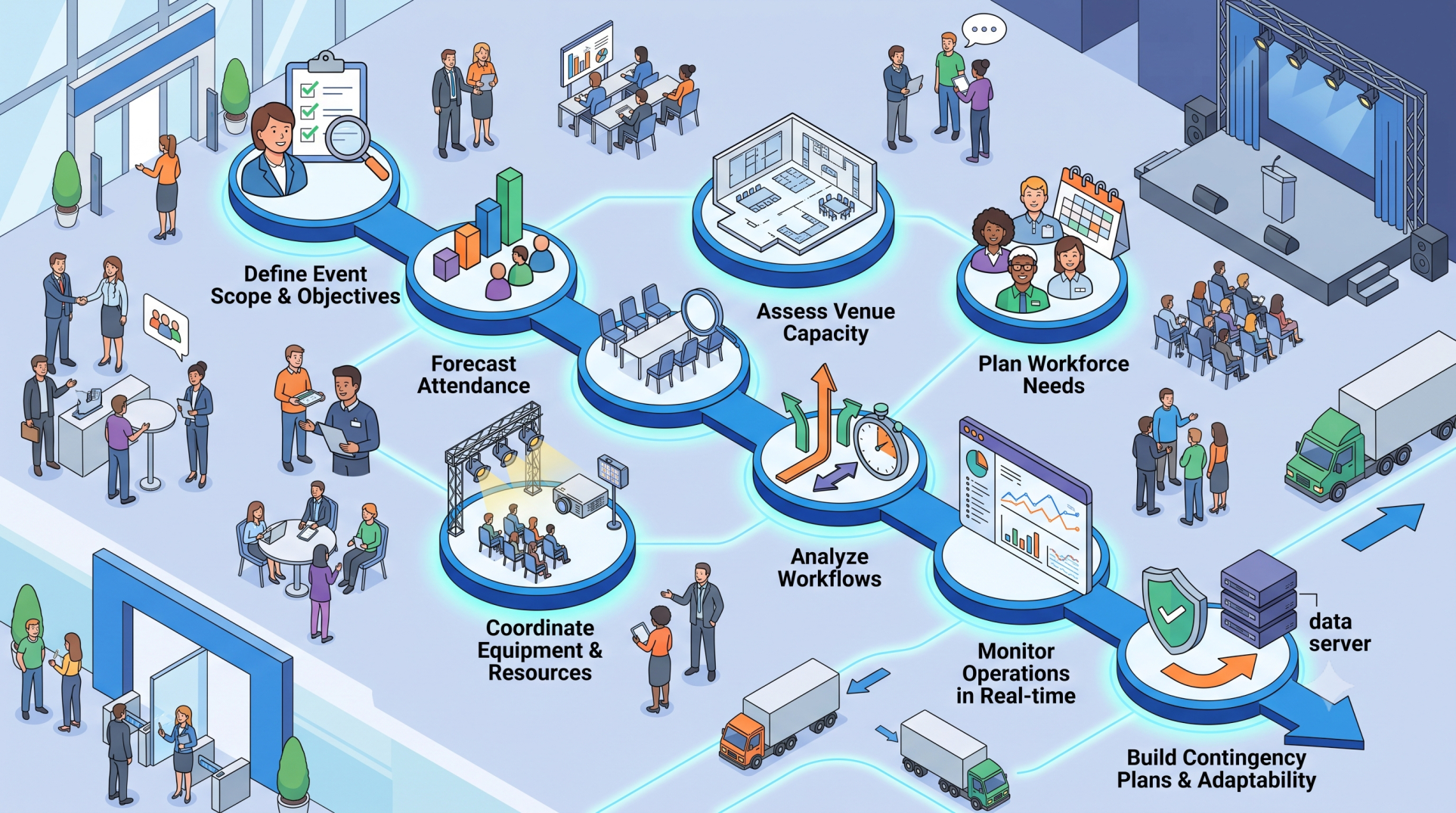
• Monitor venue operations through centralized dashboards 🖥️
• Coordinate staff deployment across event locations 📍
• Respond quickly to operational updates ⚡
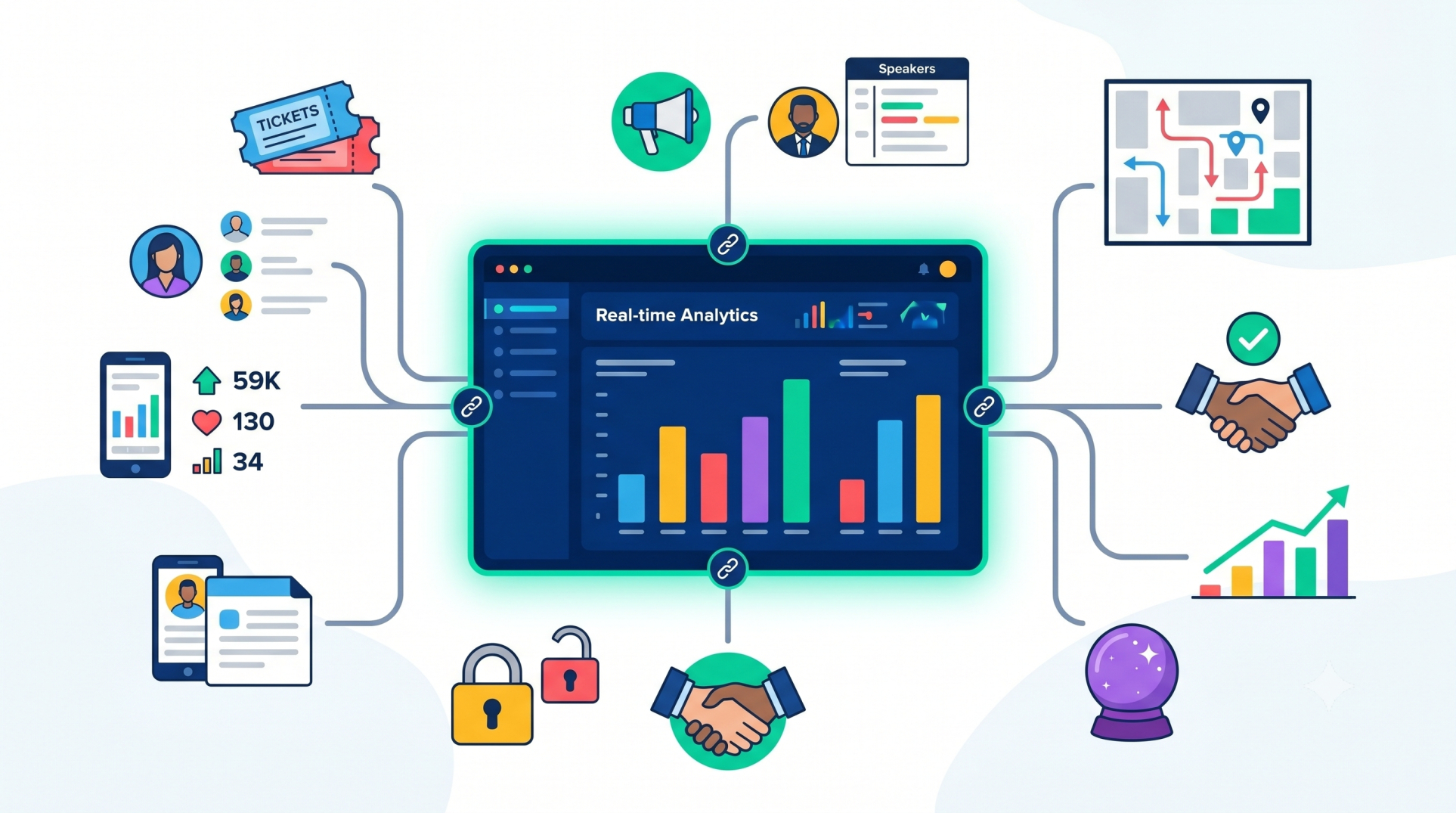
• Maintain continuous visibility into event performance 📊
Step 7: Improving Decision-Making with Analytics 📈
• Measure team productivity and task completion rates 📋
• Monitor attendee engagement and participation 👥
• Analyze operational performance throughout the event 📊
• Identify workflow improvements using event insights 💡
• Support future planning with performance reports 📝
Step 8: Key Collaboration Priorities ⭐
• Centralized communication for all stakeholders 💬
• Real-time visibility into event operations 👀
• Efficient task coordination across teams 🤝
• Scalable collaboration platform for growing events 🚀
Step 9: Managing Operational Changes 🔄
• Update schedules instantly when plans change 📅
• Coordinate venue or session modifications efficiently 🏢
• Notify teams and attendees about important updates 📲
• Minimize disruptions through rapid communication ⚡
• Maintain operational continuity throughout the event 🛡️
Step 10: Building a Future-Ready Event Collaboration Platform 🌍
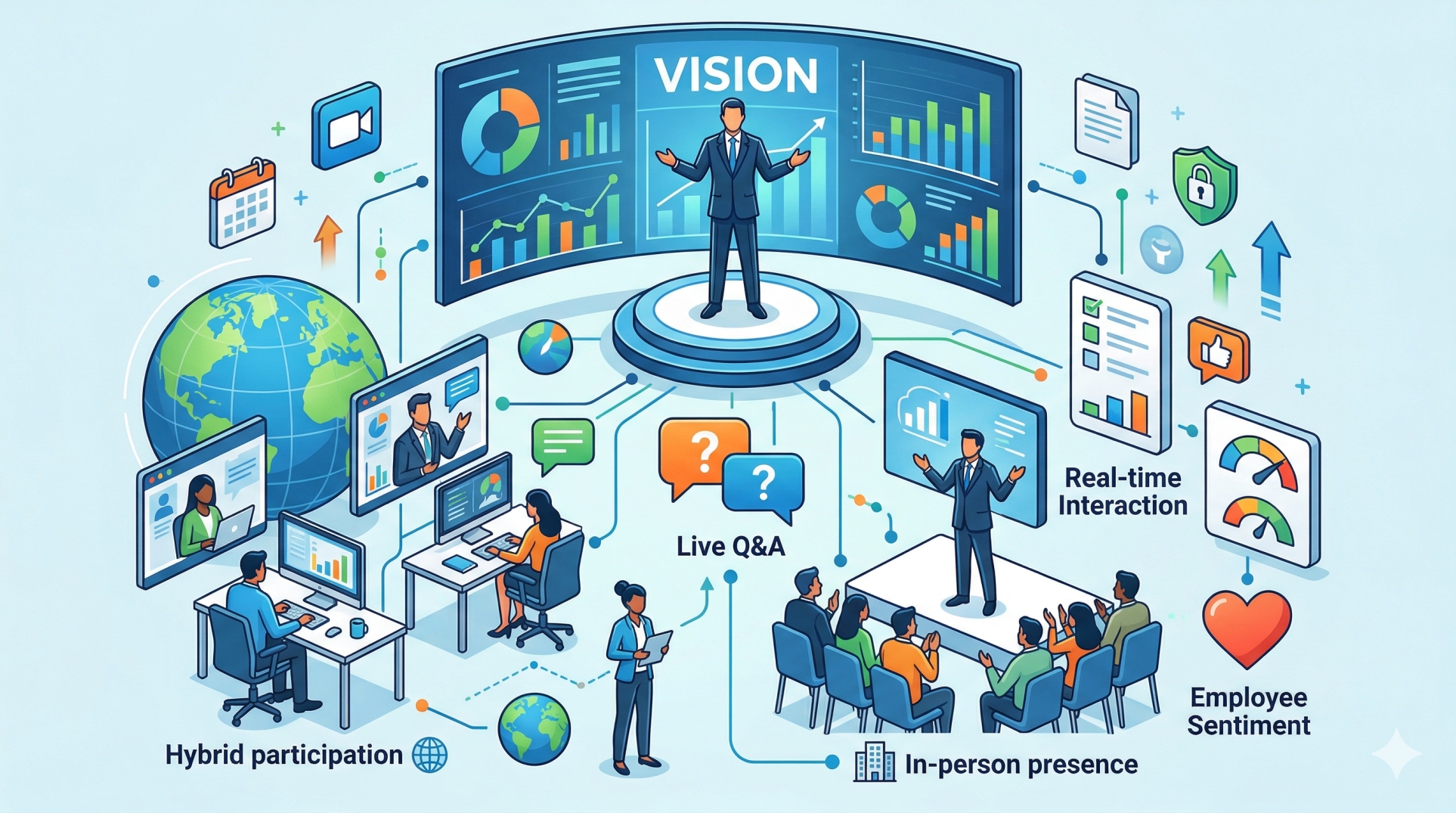
• Support in-person, hybrid, and virtual event environments 🌐
• Integrate event technologies into a unified workspace 🔗
• Enable scalable collaboration for multi-location events 🏛️
• Adapt workflows to evolving organizational needs 📈
• Continuously improve event operations through digital innovation 🚀
Conclusion
Collaborative workspaces are transforming event operations by bringing people, information, and workflows together in a centralized digital environment. With real-time communication, task coordination, document management, and operational visibility, organizations can improve efficiency while delivering seamless event experiences. As event management continues to evolve, collaborative workspaces provide the flexibility, scalability, and coordination needed for long-term success.
See more blogs
You can all the articles below





































Ready to Find Your Perfect Solution?
Let us show you how Event Software can transform your events

AI-powered event management platform that helps you create stunning events .