Cross-Team Collaboration Frameworks for Event Delivery
Cross-Team Collaboration Frameworks for Event Delivery
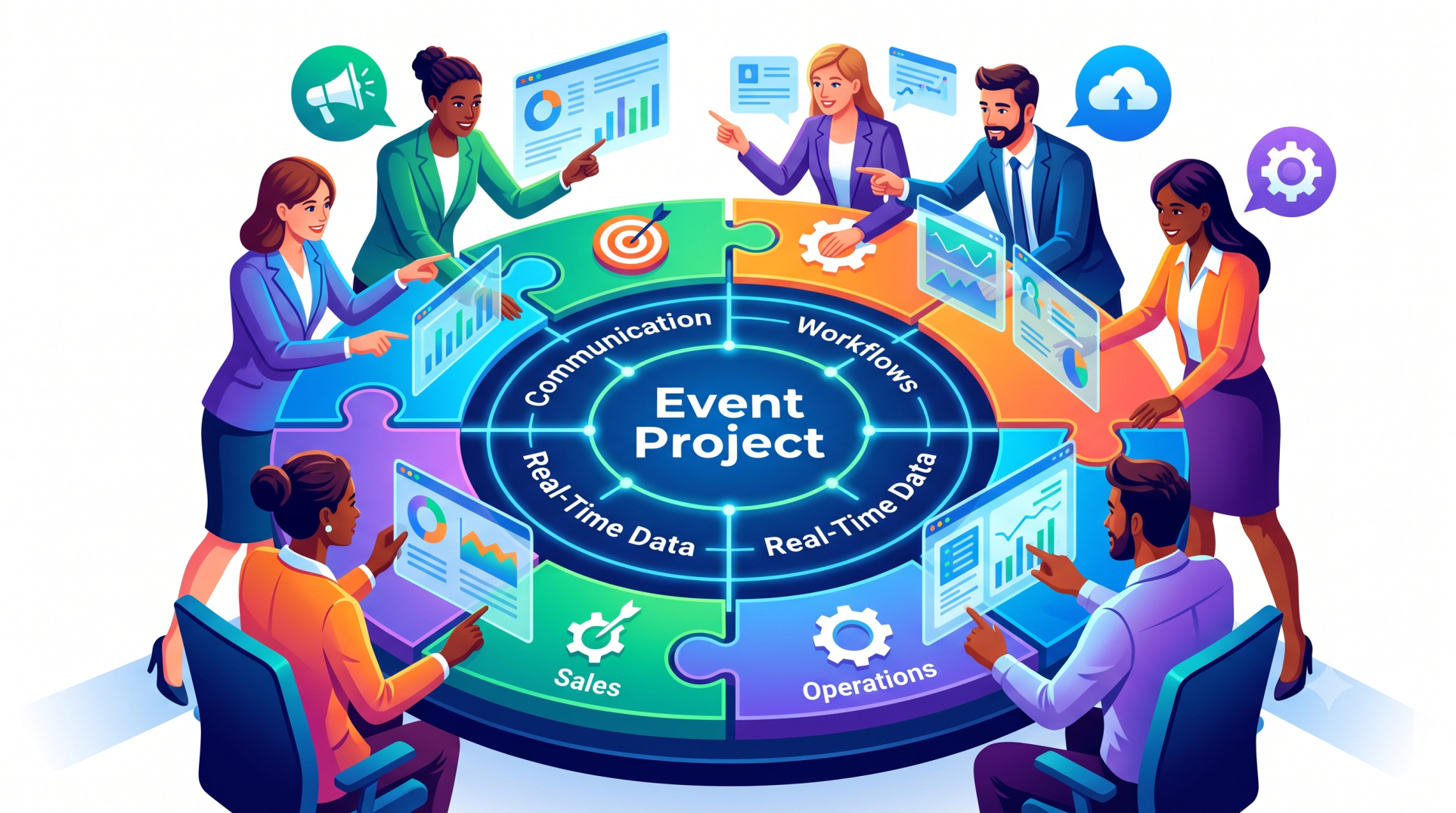
Successful enterprise events depend on more than careful planning—they require seamless collaboration across multiple teams. Event organizers, operations, marketing, sales, finance, IT, vendors, and support staff must work together with clear communication and shared objectives. Cross-team collaboration frameworks provide structured processes, centralized coordination, and real-time visibility that help organizations deliver events efficiently while maintaining consistency and accountability.
Step 1: Defining Shared Event Objectives 🎯
• Establish common goals across all participating teams 📋
• Align responsibilities with overall event outcomes 🤝
• Create clear expectations for every department 🏢
• Define measurable success metrics before execution 📊
• Build a collaborative foundation for event planning 🚀
Step 2: Assigning Roles and Responsibilities 👥
• Clearly define ownership for every operational task 📌
• Document responsibilities across departments 📝
• Eliminate overlapping duties and communication gaps 🔄
• Empower teams with decision-making authority ⚡
• Ensure accountability throughout the event lifecycle ✅
Step 3: Centralizing Communication 💬
• Use a unified platform for team collaboration 🌐
• Share schedules, updates, and documentation in one place 📂
• Deliver real-time notifications for operational changes 📲
• Maintain transparent communication across departments 👀
• Reduce delays caused by fragmented information 🚦
Step 4: Coordinating Event Workflows ⚙️
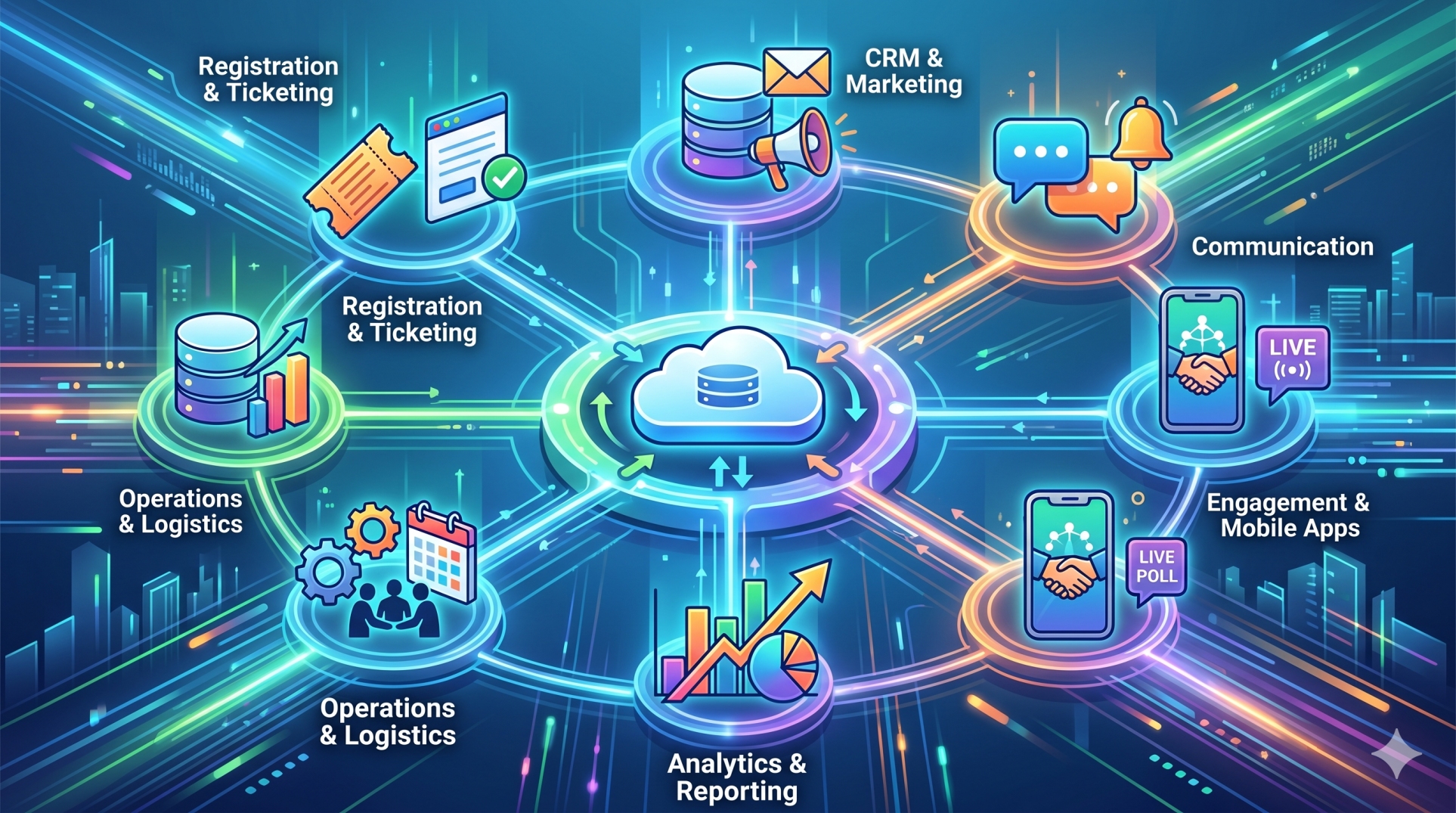
• Connect planning, logistics, marketing, and operations seamlessly 🔗
• Automate task assignments and status updates 🤖
• Synchronize timelines across all teams 📅
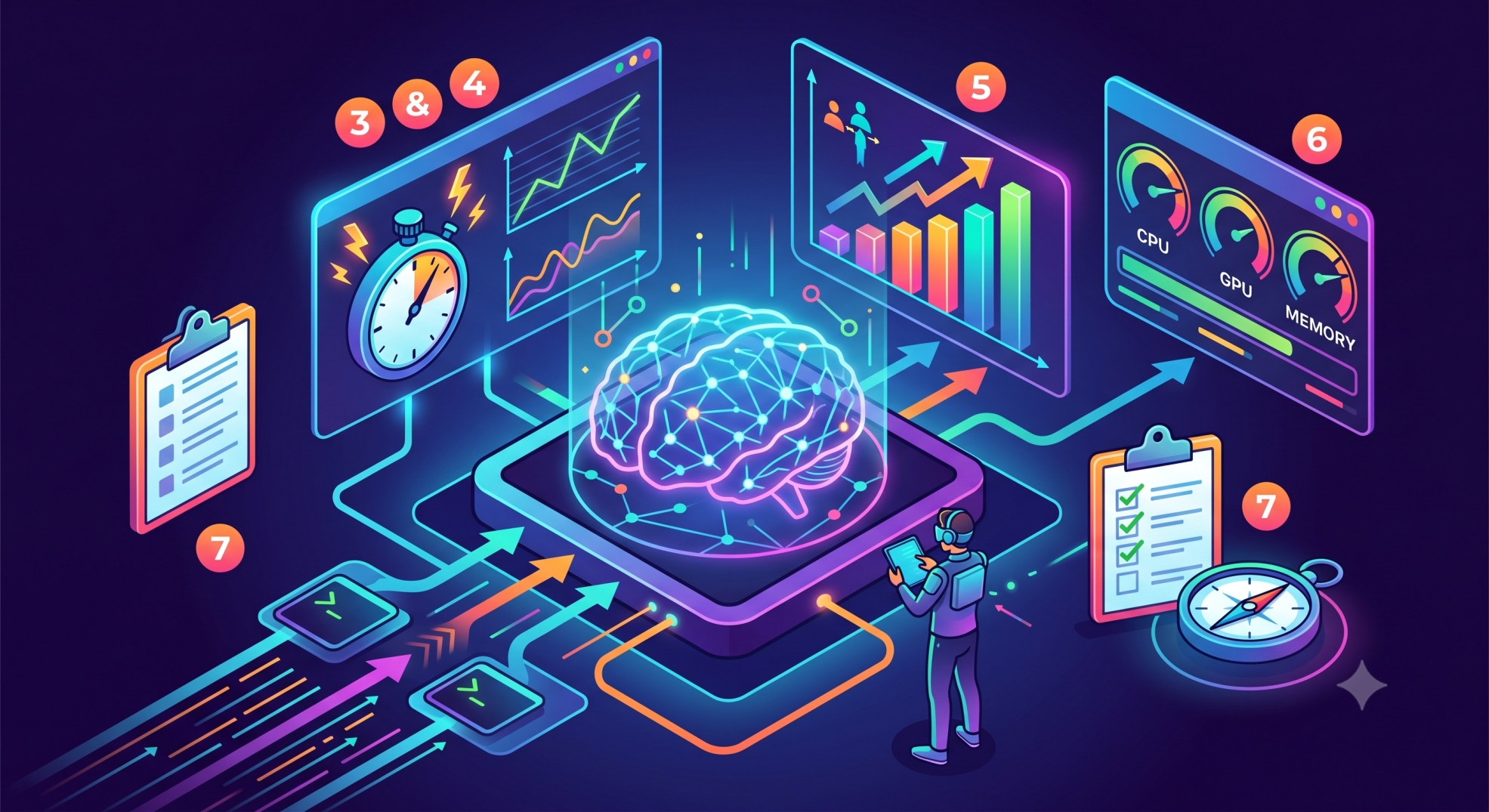
• Monitor workflow progress continuously 📈
• Improve operational efficiency through standardized processes 🚀
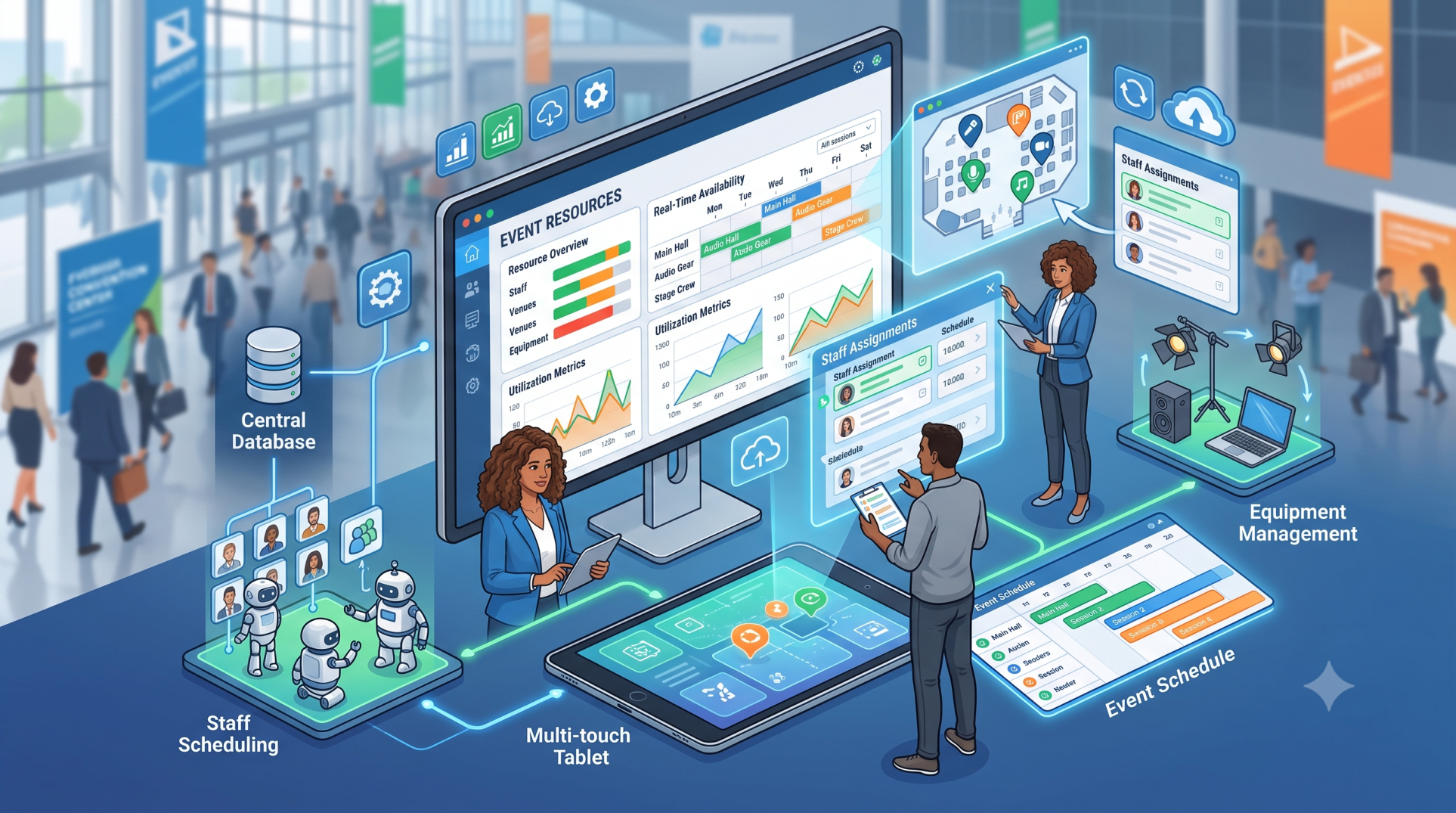
Step 5: Managing Resources Effectively 📦
• Coordinate venue spaces, equipment, and staffing efficiently 🏢
• Allocate resources based on operational priorities 📊
• Avoid scheduling conflicts through centralized planning 📋
• Track resource availability in real time 📡
• Maximize utilization throughout the event 🎯
Step 6: Supporting Real-Time Decision Making ⚡
• Monitor event activities through live dashboards 🖥️
• Respond quickly to operational challenges 🚨
• Share updates instantly with relevant teams 📲
• Adjust schedules based on changing conditions 🔄
• Improve responsiveness during live event execution 💪
Step 7: Monitoring Team Performance 📈
• Track task completion across departments 📋
• Measure collaboration efficiency using operational metrics 📊
• Identify bottlenecks affecting event delivery ⚠️
• Review team productivity throughout the event 👥
• Use performance insights to improve future events 💡
Step 8: Key Collaboration Priorities ⭐
• Unified communication across all event teams 💬
• Transparent workflows and accountability 📖
• Real-time coordination and operational visibility 👀
• Flexible processes that support events of every scale 🚀
Step 9: Managing Operational Changes 🔄
• Respond efficiently to schedule adjustments 📅
• Reassign responsibilities when priorities change 🔁
• Coordinate vendor and stakeholder updates promptly 🤝
• Minimize disruptions during live operations 🛠️
• Maintain continuity throughout unexpected situations 💼
Step 10: Building a Collaborative Event Delivery Culture 🌟
• Encourage continuous communication across departments 🤝
• Document best practices for future events 📚
• Improve workflows through post-event evaluations 📊
• Foster collaboration supported by digital tools 💻
• Build scalable frameworks for long-term event success 🚀
Conclusion
Cross-team collaboration frameworks are essential for delivering successful enterprise events with efficiency, consistency, and accountability. By aligning teams through shared objectives, centralized communication, and coordinated workflows, organizations can reduce operational complexity and improve event execution. As events continue to grow in scale and sophistication, strong collaboration frameworks provide the flexibility and visibility needed to deliver exceptional experiences while supporting continuous improvement.
See more blogs
You can all the articles below
























Ready to Find Your Perfect Solution?
Let us show you how Event Software can transform your events

AI-powered event management platform that helps you create stunning events .