
Event Software for Distributed Planning Teams

Event Software for Distributed Planning Teams
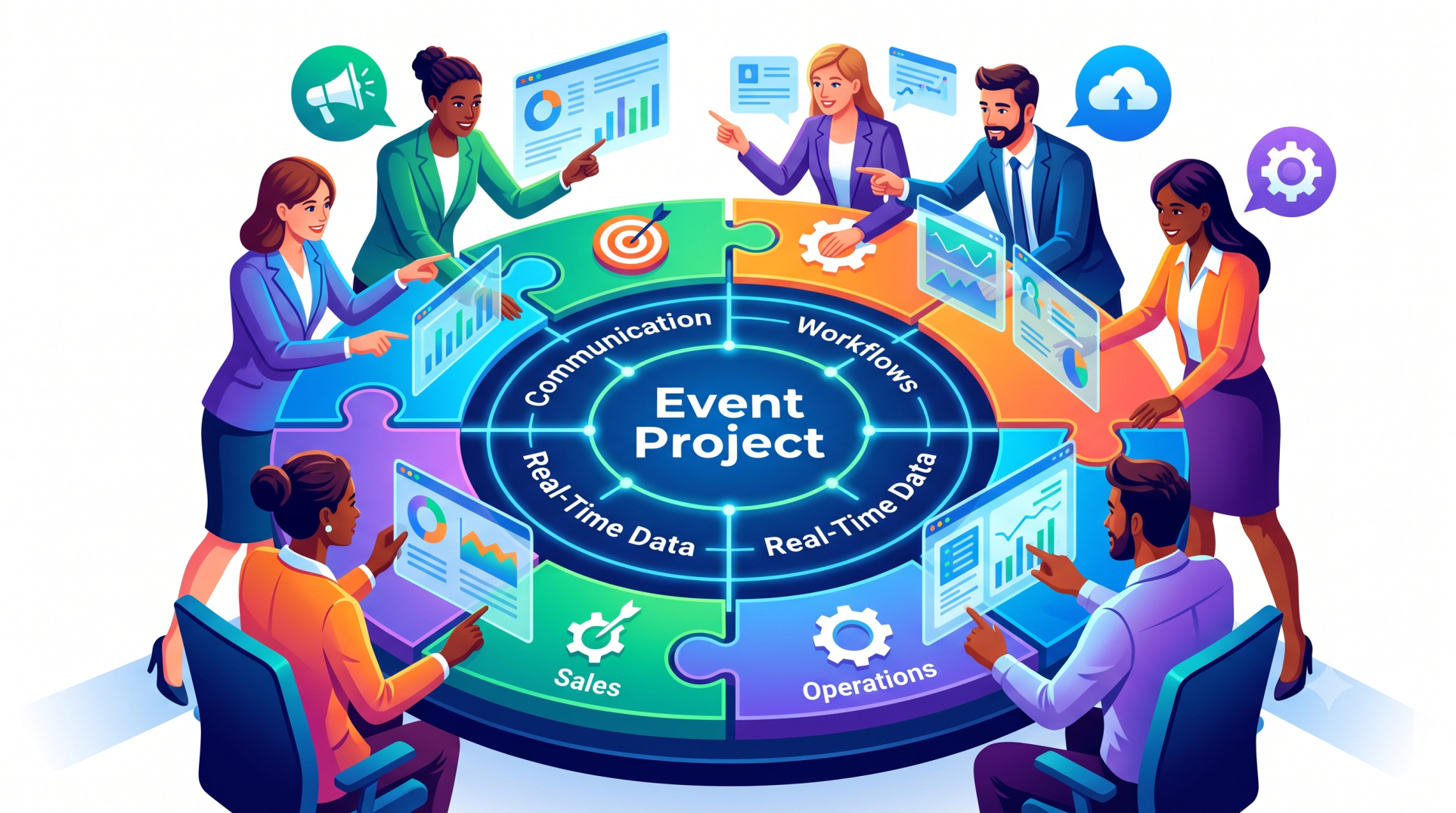
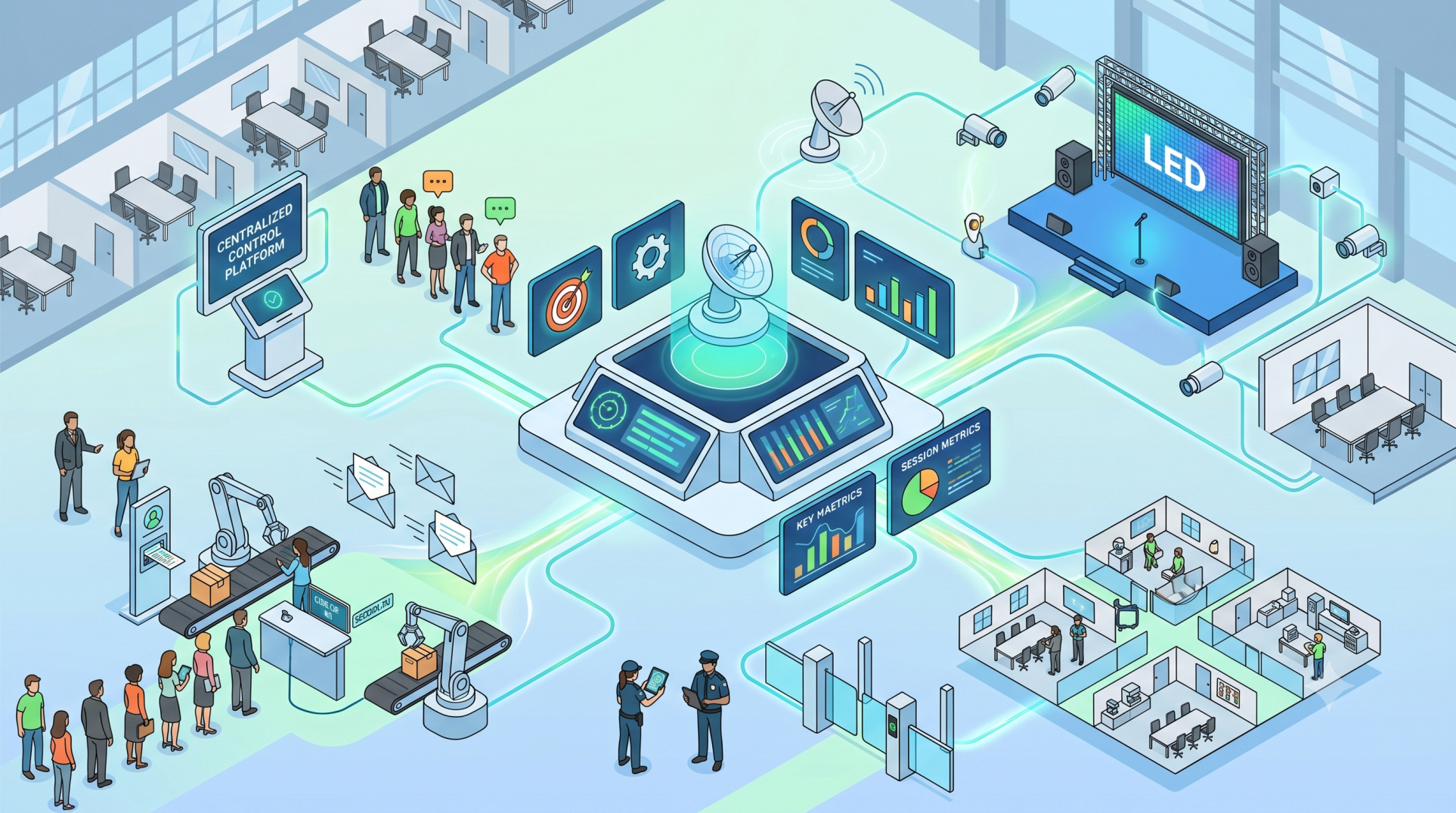
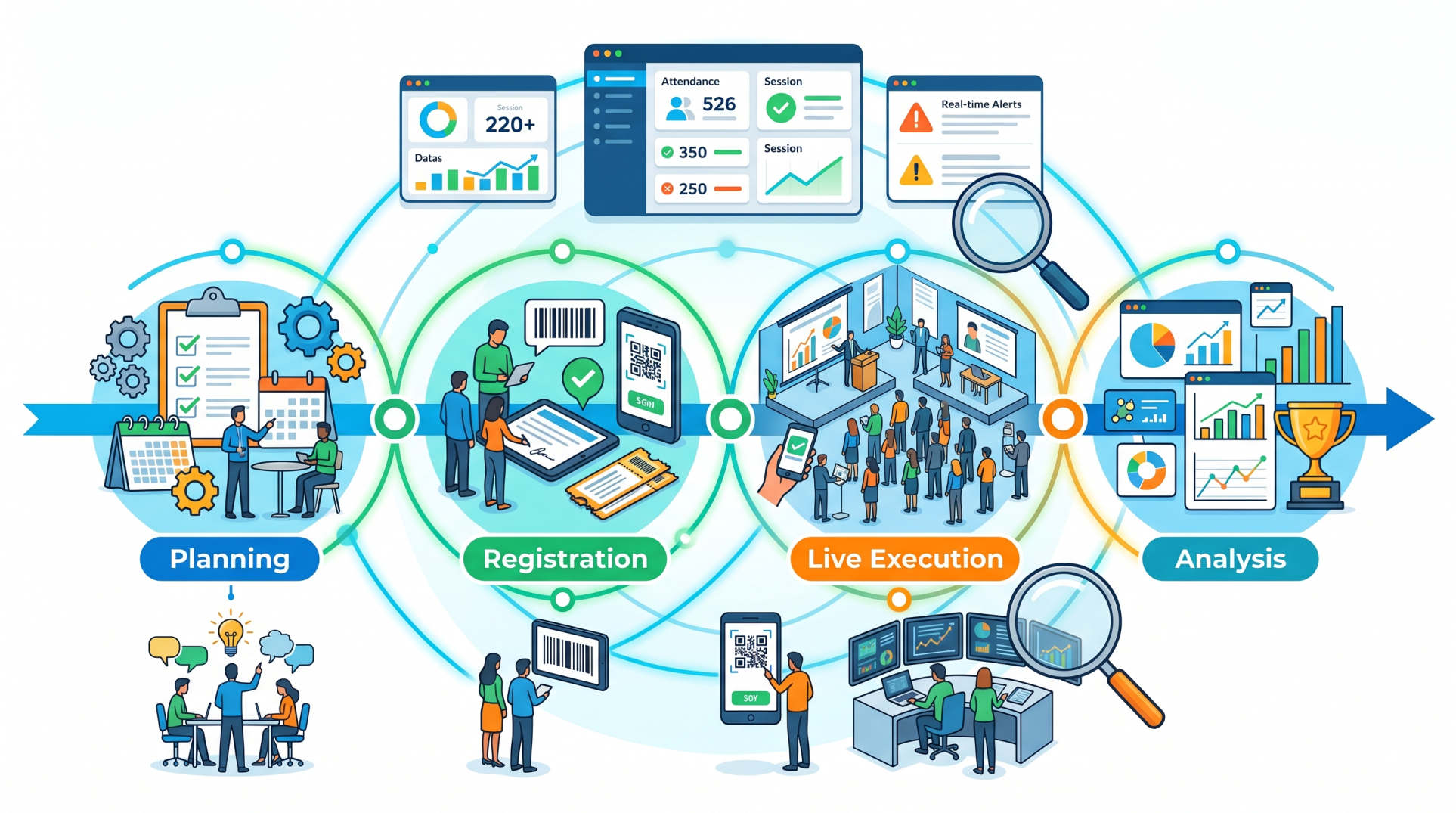
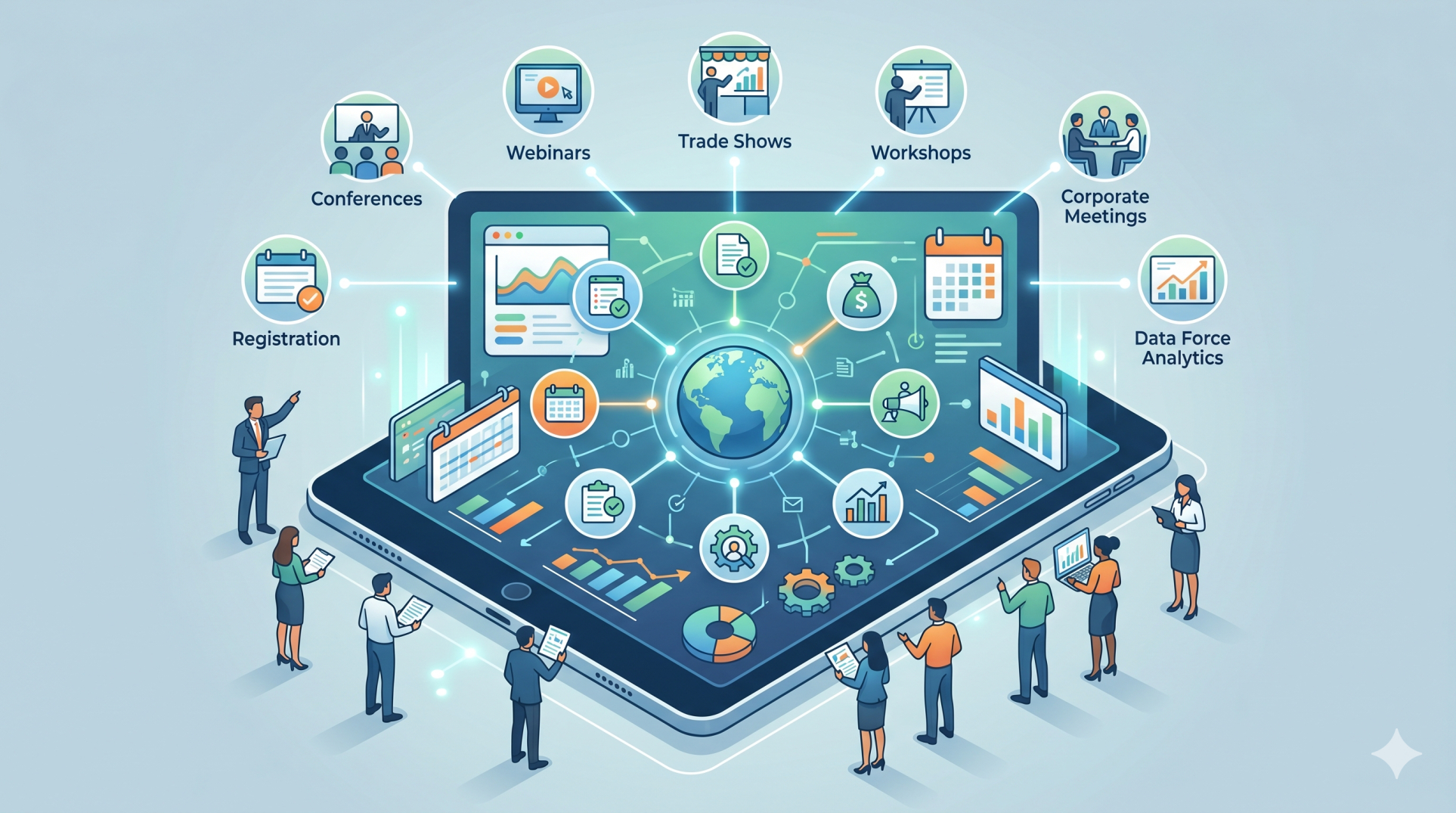
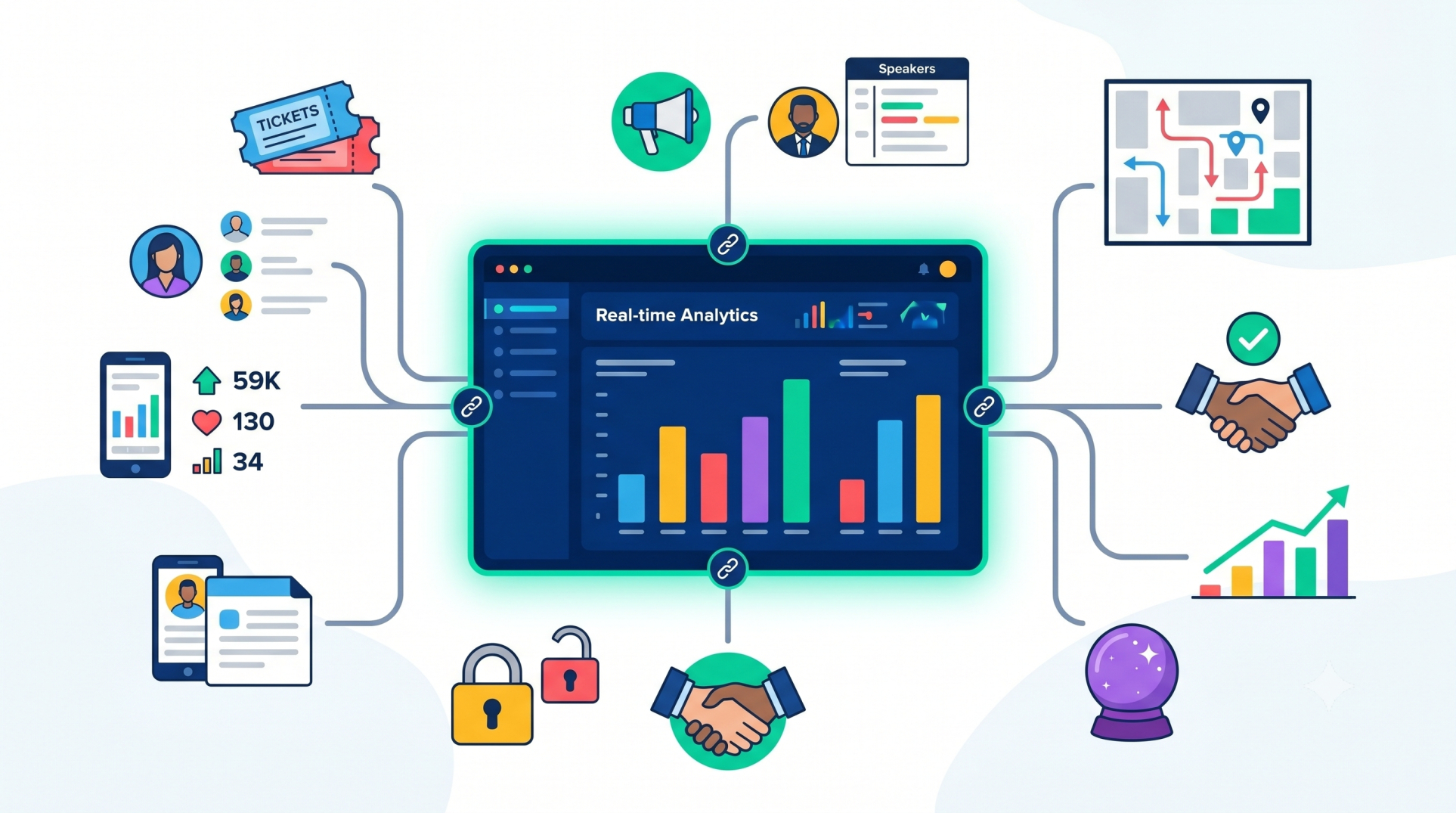
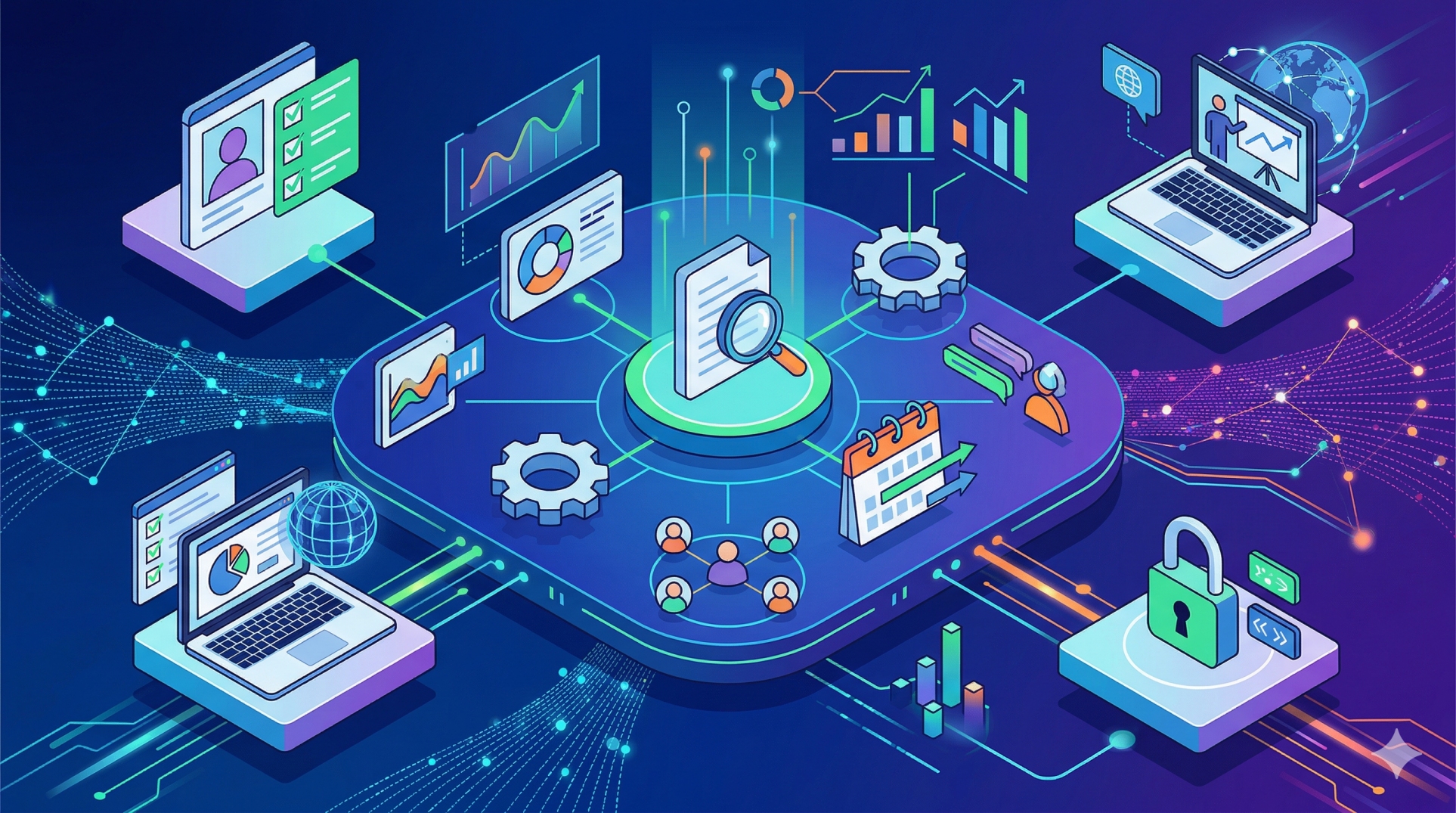
As event planning teams become increasingly distributed across different locations and time zones, centralized event software has become essential for maintaining coordination and operational efficiency. Modern event management platforms provide a shared workspace where planners, vendors, speakers, sponsors, and stakeholders can collaborate in real time. By connecting people, processes, and event data, organizations can streamline planning, improve communication, and deliver successful events regardless of where team members are located.
Step 1: Centralizing Event Planning Operations 🌐
• Consolidate event planning activities into a unified platform 📋
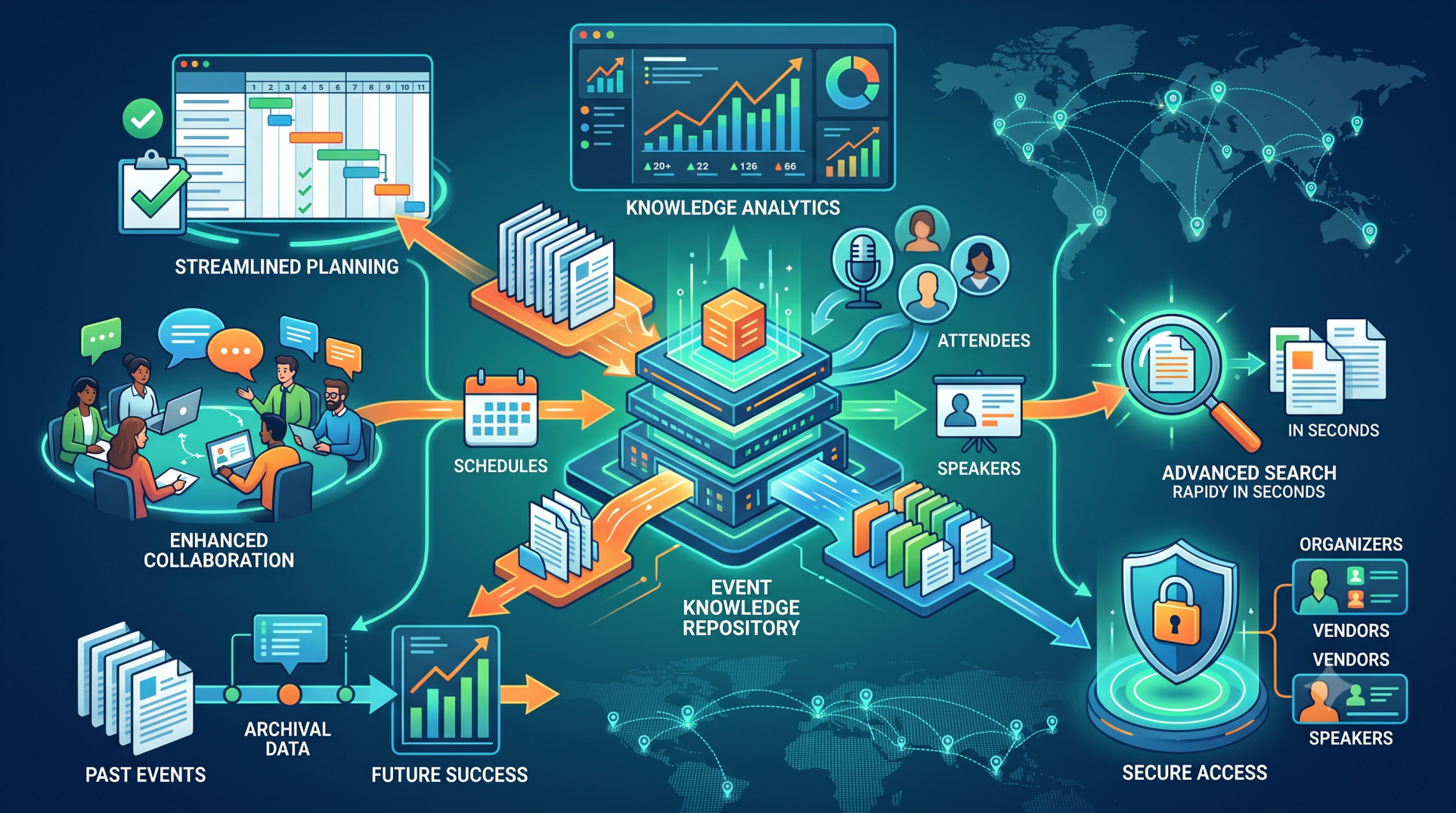
• Maintain a single source of truth for schedules and event data 📊
• Eliminate information silos across distributed teams 🔄
• Improve visibility into project progress and milestones 👀
• Enable consistent collaboration throughout the planning process 🤝
Step 2: Streamlining Team Collaboration 🤝
• Share updates instantly across planning teams 💬
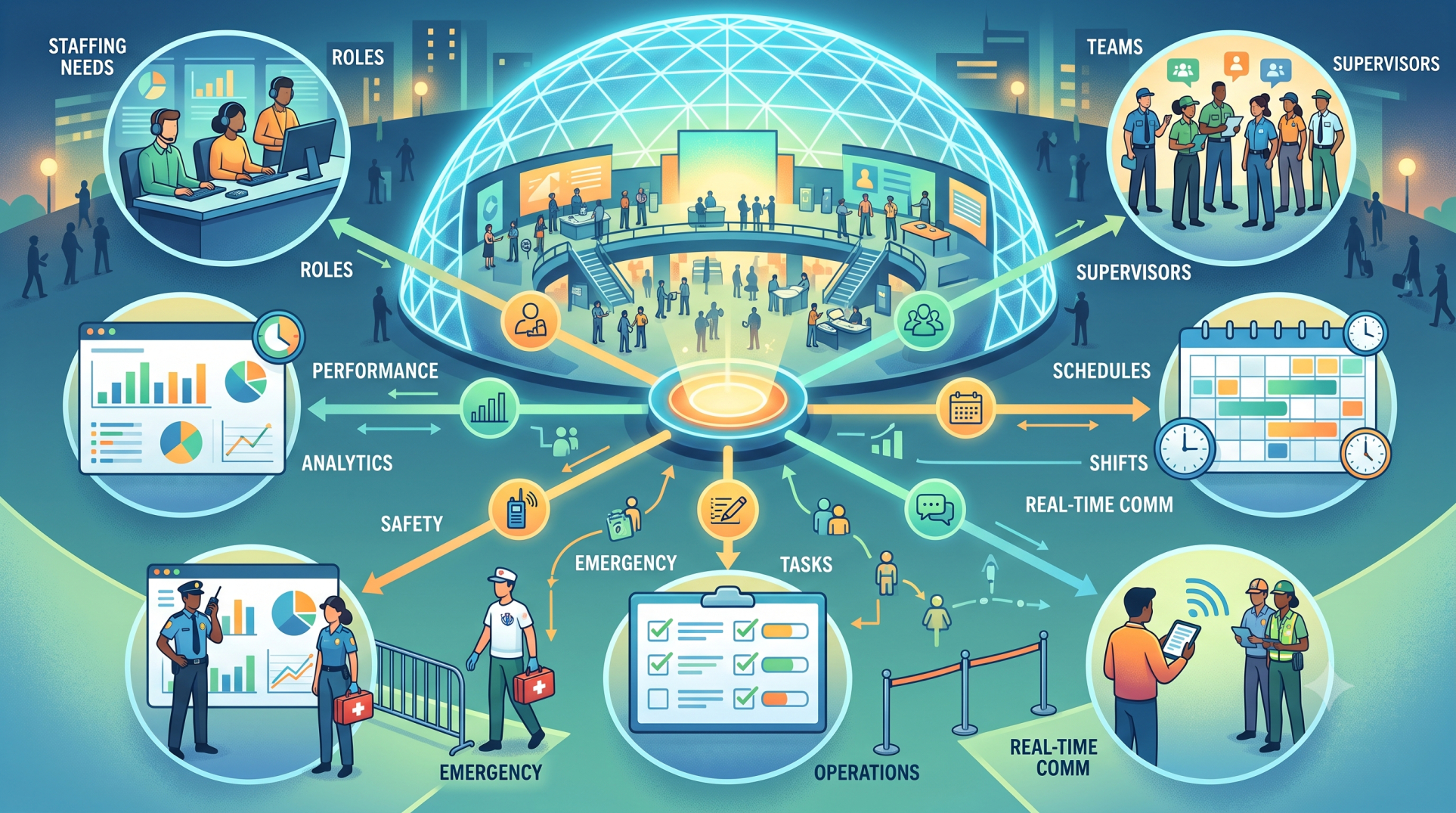
• Assign responsibilities with clear ownership 👥
• Coordinate tasks between internal teams and external partners 📅
• Reduce communication delays through centralized messaging 📲
• Keep everyone aligned with shared project timelines ⏳
Step 3: Managing Tasks and Workflows ⚙️
• Create structured workflows for every planning phase 📌
• Automate approvals, reminders, and recurring tasks 🤖
• Track task completion through real-time dashboards 📈
• Prioritize activities based on event milestones 🎯
• Improve accountability with transparent progress tracking ✅
Step 4: Coordinating Vendors and Partners 🏢
• Manage contracts, schedules, and vendor information securely 📂
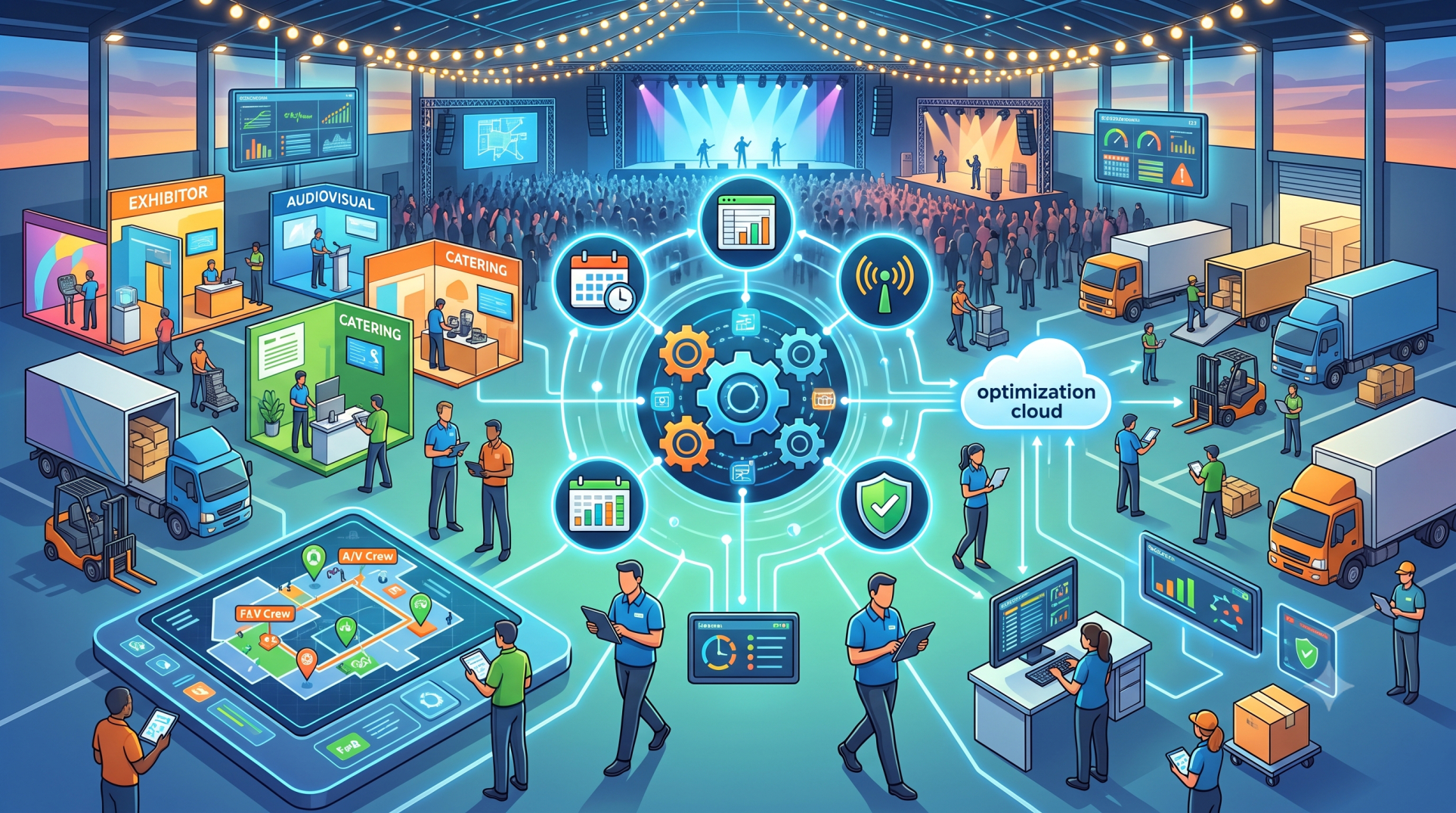
• Coordinate logistics with exhibitors, suppliers, and sponsors 🚚
• Monitor service delivery throughout the event lifecycle 📡
• Simplify communication with external stakeholders 📧
• Reduce scheduling conflicts through centralized planning 📆
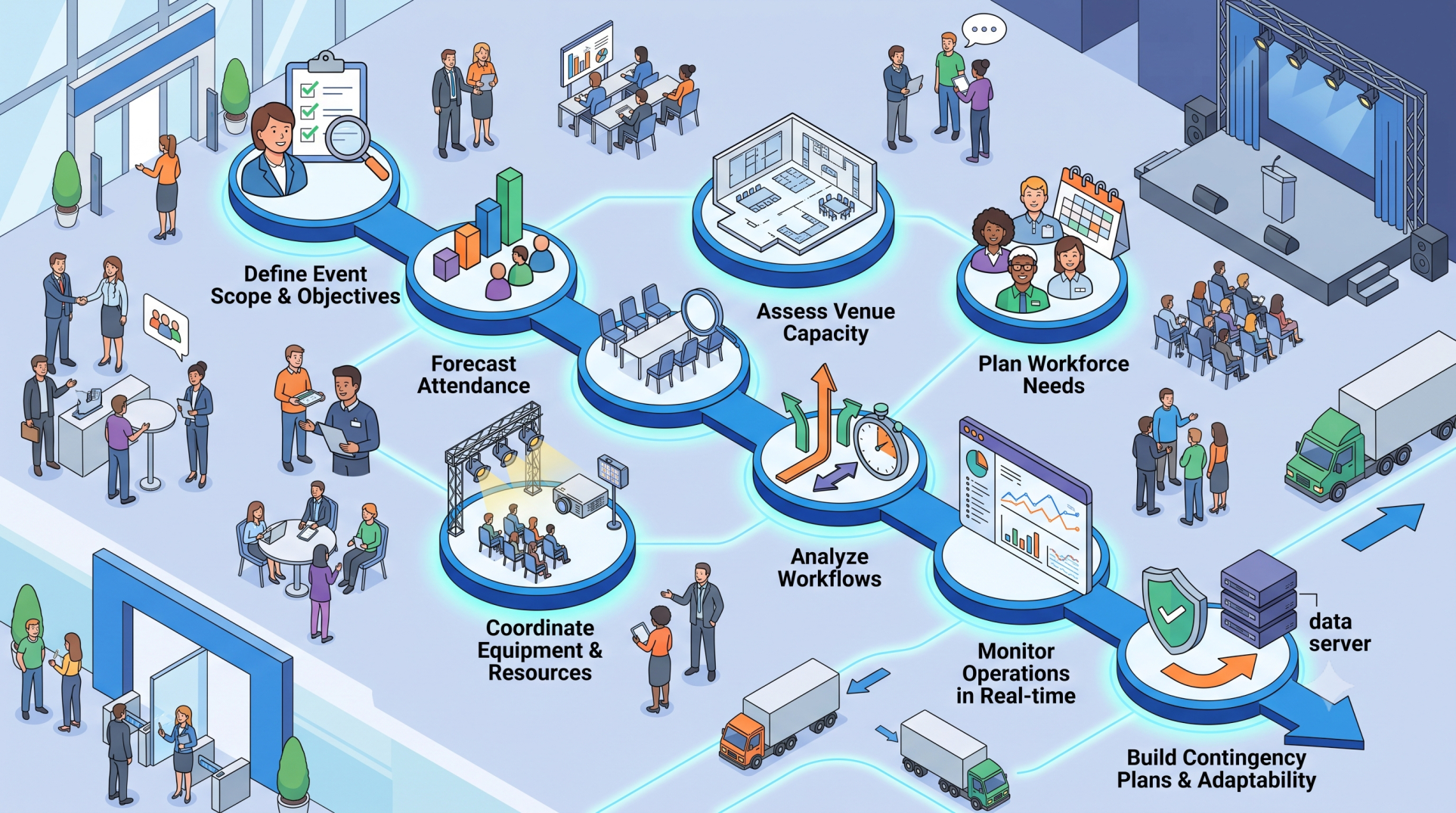
Step 5: Managing Event Resources 📦
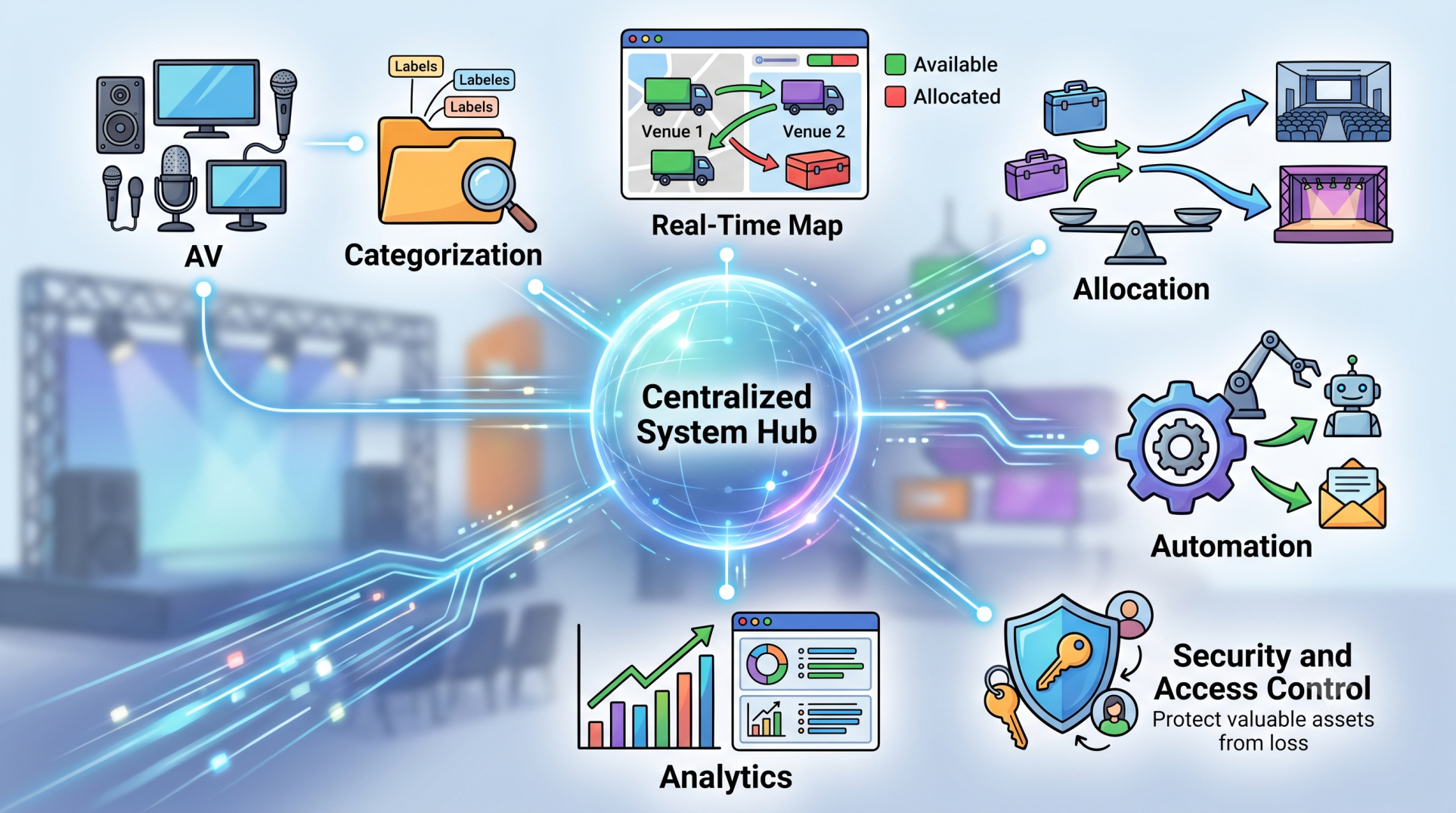
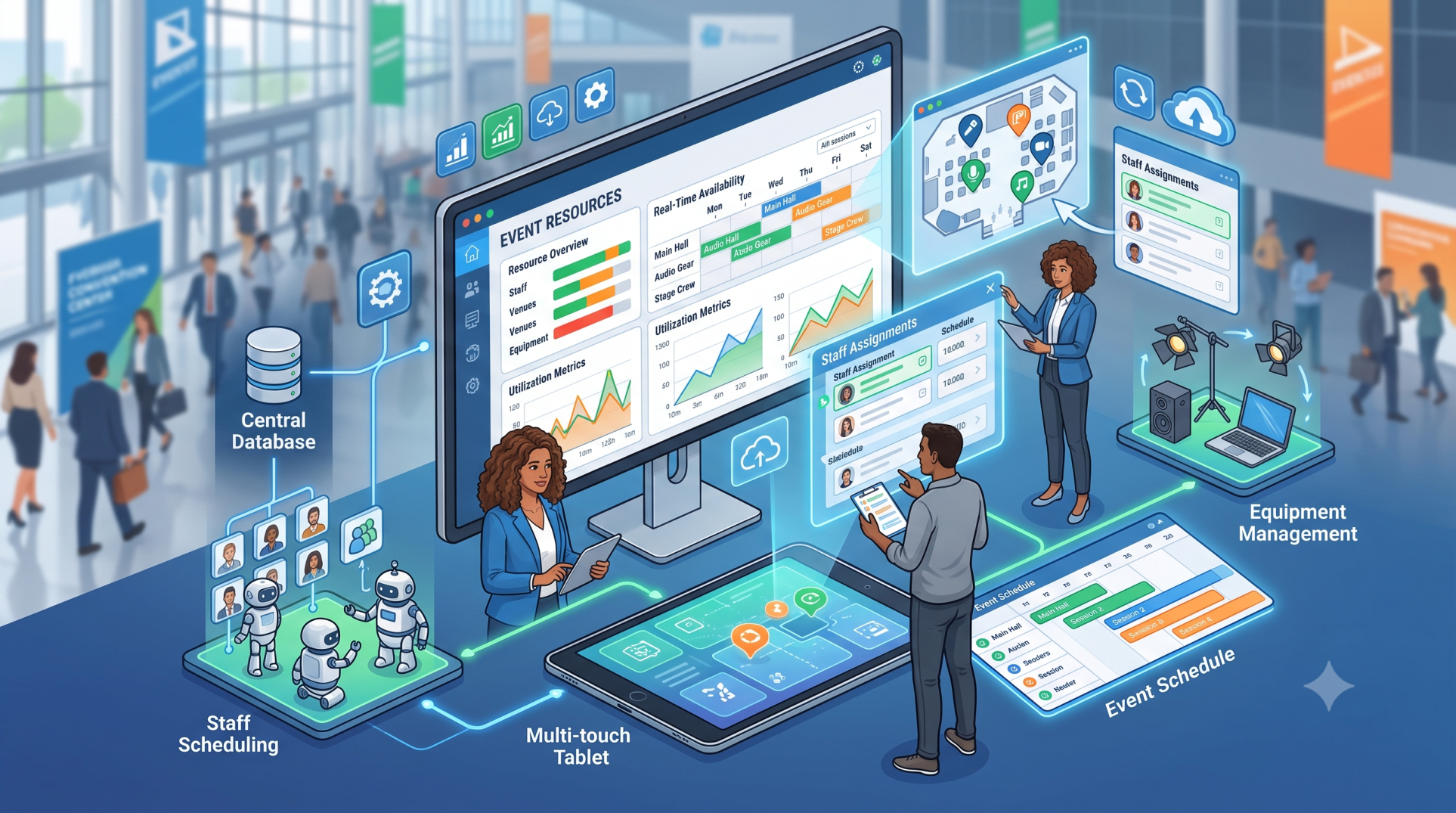
• Allocate venues, equipment, and staffing efficiently 🏛️
• Track resource availability across multiple events 📊
• Prevent scheduling conflicts through automated planning 🔄
• Optimize resource utilization for maximum efficiency ⚖️
• Maintain visibility into operational readiness 👀
Step 6: Supporting Real-Time Communication 📢
• Deliver instant updates to planners and event staff 📲
• Notify stakeholders about schedule or venue changes 🚨
• Share documents and event information securely 📁
• Coordinate live event operations through centralized communication 💻
• Improve responsiveness during critical situations ⚡
Step 7: Monitoring Planning Progress 📈
• Track project milestones and deadlines continuously 📅
• Measure task completion and operational readiness 📊
• Identify delays before they impact event execution ⚠️
• Generate reports for management and stakeholders 📝
• Use insights to improve future planning processes 💡
Step 8: Key Collaboration Priorities ⭐
• Centralized communication across distributed teams 🌍
• Real-time visibility into planning activities 👁️
• Automated workflows that improve productivity 🤖
• Flexible software that scales with organizational growth 🚀
Step 9: Managing Changes and Unexpected Challenges 🔄
• Respond quickly to schedule adjustments 📅
• Reassign responsibilities when priorities change 🔁
• Coordinate contingency plans with all stakeholders 🛠️
• Maintain operational continuity during disruptions 💪
• Keep planning activities aligned despite changing requirements 📋
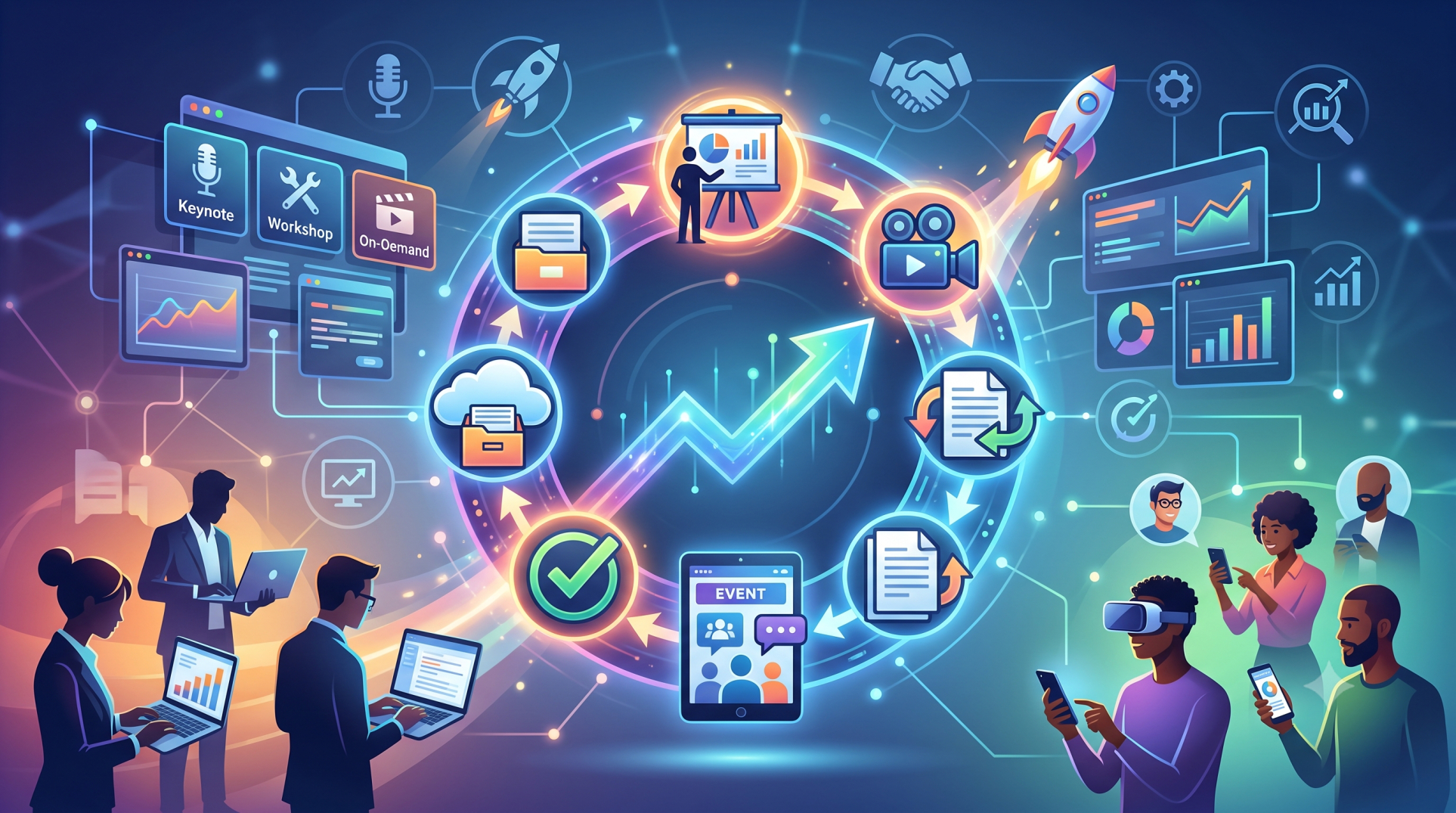
Step 10: Building a Future-Ready Event Planning Platform 🚀
• Design scalable systems that support multiple events simultaneously 🏗️
• Integrate collaboration tools and business applications 🔗
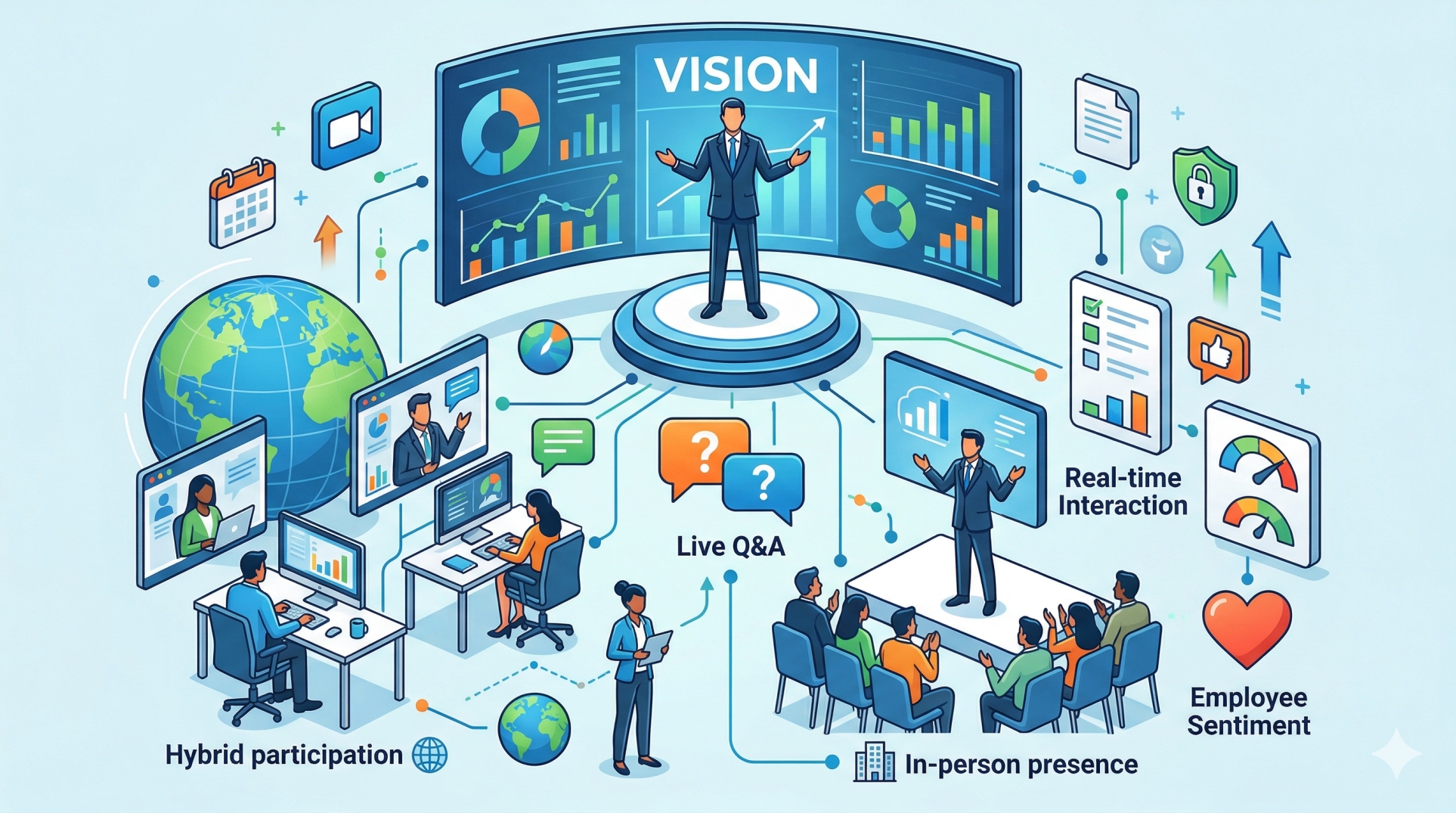
• Support hybrid, virtual, and in-person event planning 🌐
• Adapt workflows as organizational needs evolve 📈
• Continuously enhance planning capabilities through innovation 💡
Conclusion
Event software empowers distributed planning teams by providing a centralized platform for collaboration, communication, and operational management. Through automated workflows, real-time visibility, and integrated resource coordination, organizations can simplify complex planning activities while improving efficiency and accountability. As events continue to grow in scale and complexity, modern event management software provides the flexibility and coordination needed to deliver successful experiences across distributed teams.
See more blogs
You can all the articles below


























Ready to Find Your Perfect Solution?
Let us show you how Event Software can transform your events

AI-powered event management platform that helps you create stunning events .