
Workforce Coordination for Large-Scale Events
Workforce Coordination for Large-Scale Events
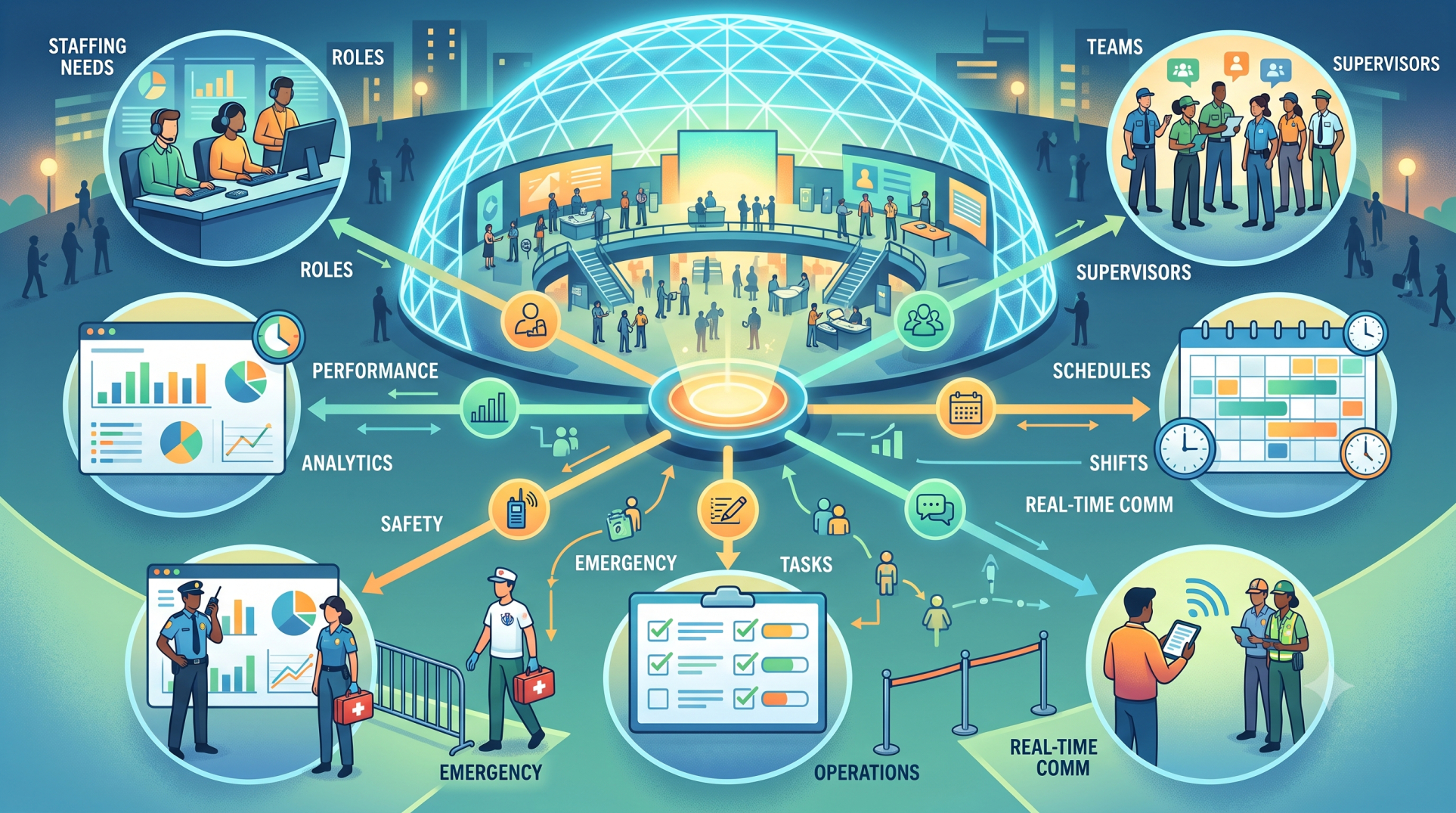
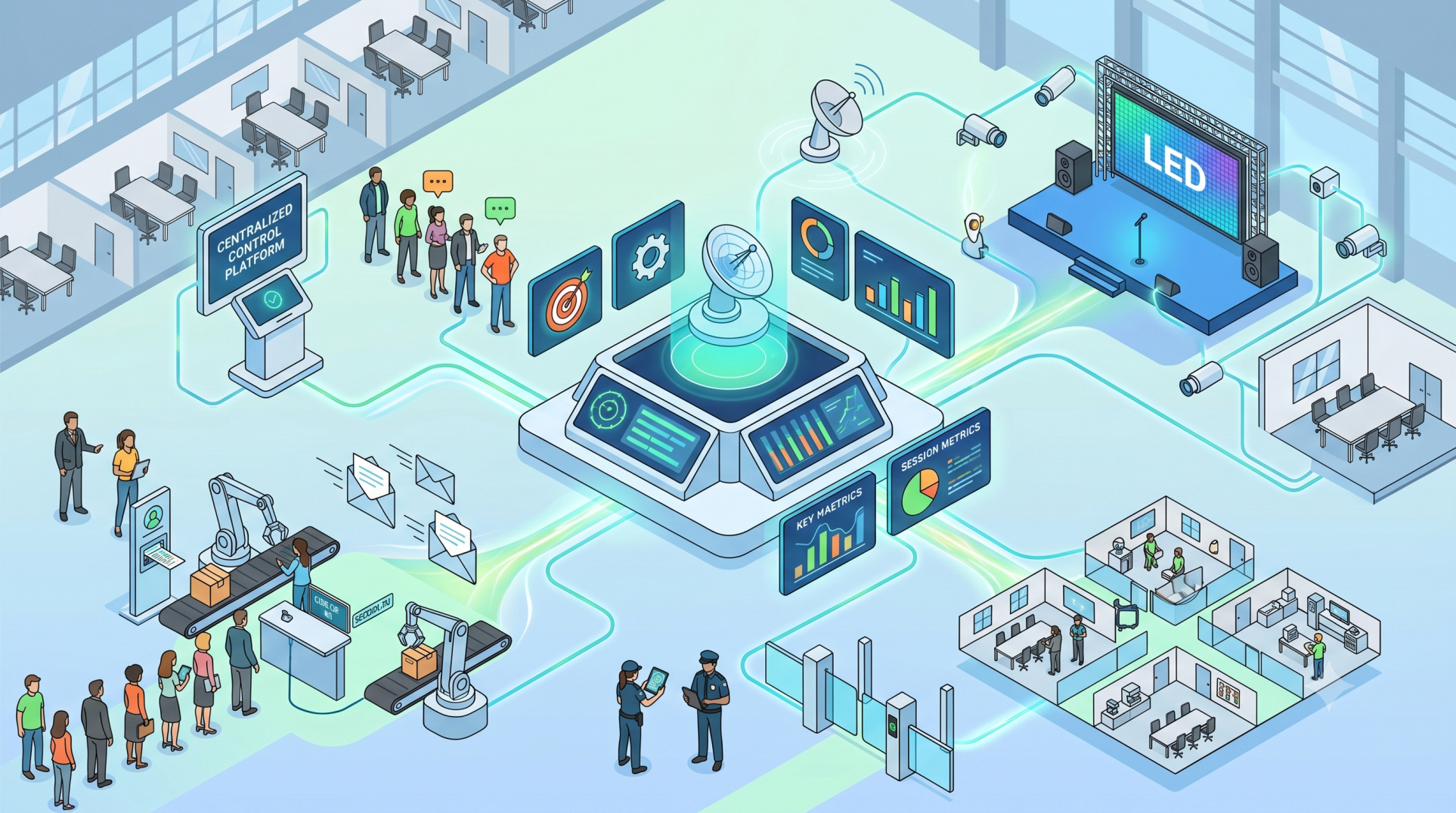
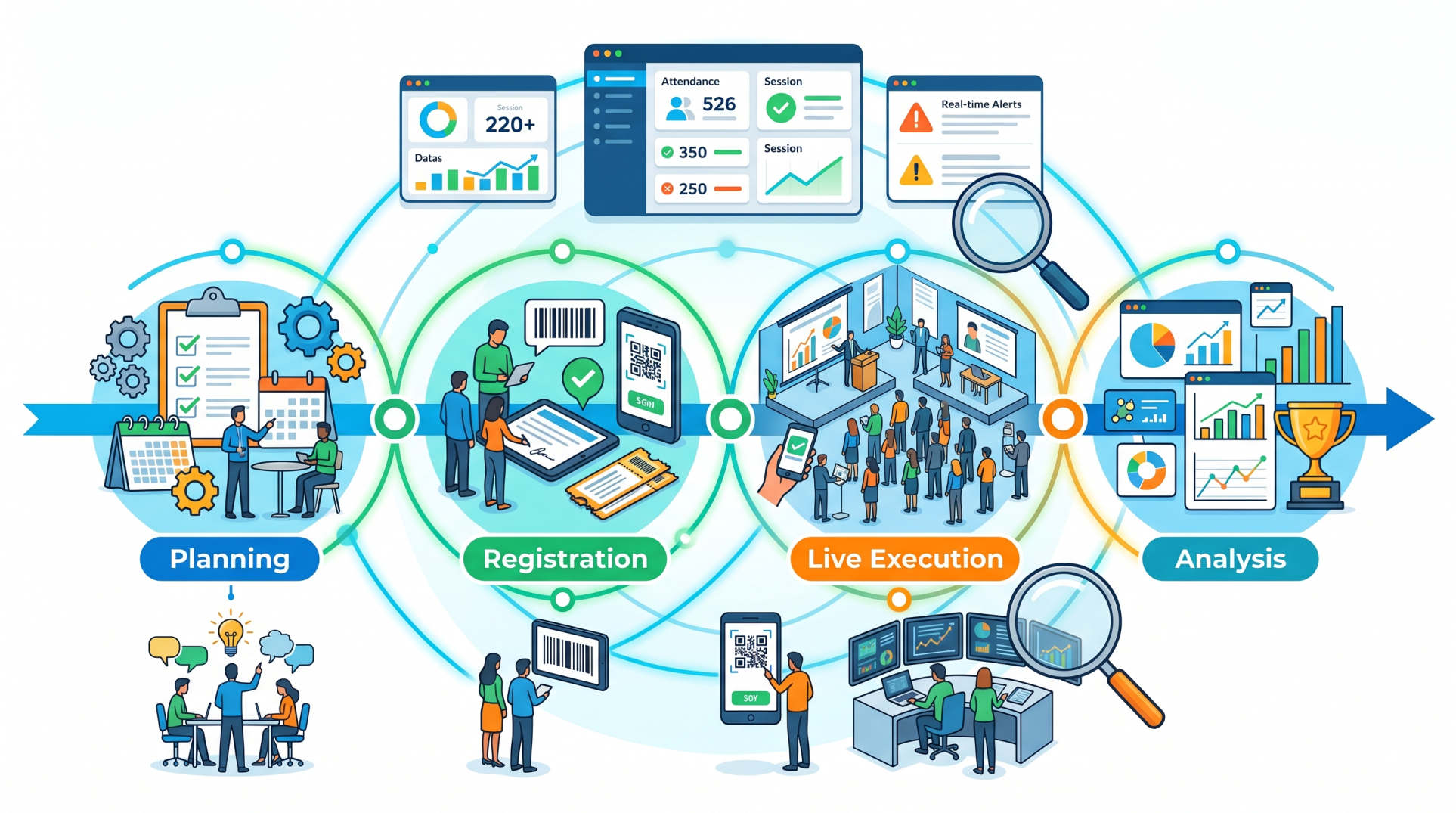
Managing a large-scale event requires seamless coordination among organizers, staff, volunteers, vendors, security personnel, and service teams. As event complexity increases, effective workforce coordination becomes essential for maintaining operational efficiency, ensuring attendee satisfaction, and responding quickly to changing conditions. A centralized coordination strategy enables teams to work together efficiently while keeping every aspect of the event running smoothly.
Step 1: Planning Workforce Requirements 👥
• Assess staffing needs based on event size and operational scope 📋
• Define roles and responsibilities for every team member 🏷️
• Allocate personnel across venues, sessions, and service areas 📍
• Prepare contingency staffing plans for unexpected situations 🔄
• Ensure adequate coverage throughout the event lifecycle ✅
Step 2: Organizing Teams and Responsibilities 🤝
• Create structured teams for operations, logistics, security, and support 🏢
• Assign supervisors to oversee each functional area 👨💼
• Define reporting structures for efficient communication 📢
• Establish clear workflows between departments 🔗
• Promote collaboration across all operational teams 🚀
Step 3: Automating Staff Scheduling 📅
• Generate optimized work schedules automatically ⚙️
• Balance workloads across available personnel ⚖️
• Prevent scheduling conflicts and resource shortages 🚫
• Support shift rotations and break management ⏱️
• Adapt schedules quickly when operational needs change 🔄
Step 4: Enabling Real-Time Team Communication 📡
• Deliver instant updates to staff through centralized platforms 📲
• Share task assignments and operational alerts immediately 🚨
• Coordinate activities across multiple event locations 🌐
• Maintain continuous communication between supervisors and teams 💬
• Improve response times during live operations ⚡
Step 5: Managing Tasks and Field Operations 🛠️
• Assign tasks based on staff roles and availability 📌
• Monitor task completion in real time 📊
• Reassign responsibilities when priorities shift 🔁
• Track workforce productivity throughout the event 📈
• Ensure critical activities are completed on schedule ✅
Step 6: Strengthening Safety and Emergency Coordination 🛡️
• Coordinate security teams across event locations 🚔
• Establish emergency response procedures 🚑
• Monitor high-traffic areas to improve crowd safety 👀
• Communicate incidents rapidly to relevant personnel 📢
• Maintain compliance with safety regulations ⚖️
Step 7: Monitoring Workforce Performance 📊
• Track attendance and staff availability ⏰
• Measure productivity across operational teams 📈
• Identify staffing gaps before they affect operations 🔍
• Analyze workforce efficiency using live dashboards 🖥️
• Improve planning through post-event performance reviews 💡
Step 8: Key Workforce Coordination Priorities ⭐
• Centralized visibility into workforce activities 👀
• Efficient staff scheduling and task allocation 📅
• Real-time communication across all teams 📡
• Flexible workforce management for changing event conditions 🚀
Step 9: Managing Operational Changes and Disruptions 🔄
• Reassign staff quickly during unexpected situations ⚡
• Respond efficiently to schedule changes or venue adjustments 🏟️
• Maintain workforce coverage during peak attendance 👥
• Minimize disruptions through proactive coordination 🛠️
• Restore normal operations rapidly after incidents 💪
Step 10: Building a Scalable Workforce Management Strategy 🌍
• Develop processes that support events of varying sizes 📈
• Integrate workforce management with event operations platforms 🔗
• Standardize procedures across multiple venues 🏢
• Support hybrid, virtual, and in-person event staffing 🌐
• Continuously improve coordination using operational insights 🚀
Conclusion
Workforce coordination is a fundamental component of successful large-scale event management. By centralizing scheduling, communication, task management, and operational oversight, organizations can improve efficiency, enhance team collaboration, and deliver exceptional event experiences. A scalable workforce coordination strategy enables event teams to adapt quickly, optimize resources, and maintain seamless operations from planning through execution.
See more blogs
You can all the articles below


































Ready to Find Your Perfect Solution?
Let us show you how Event Software can transform your events

AI-powered event management platform that helps you create stunning events .