Digital Communication Hubs in Event Management Systems
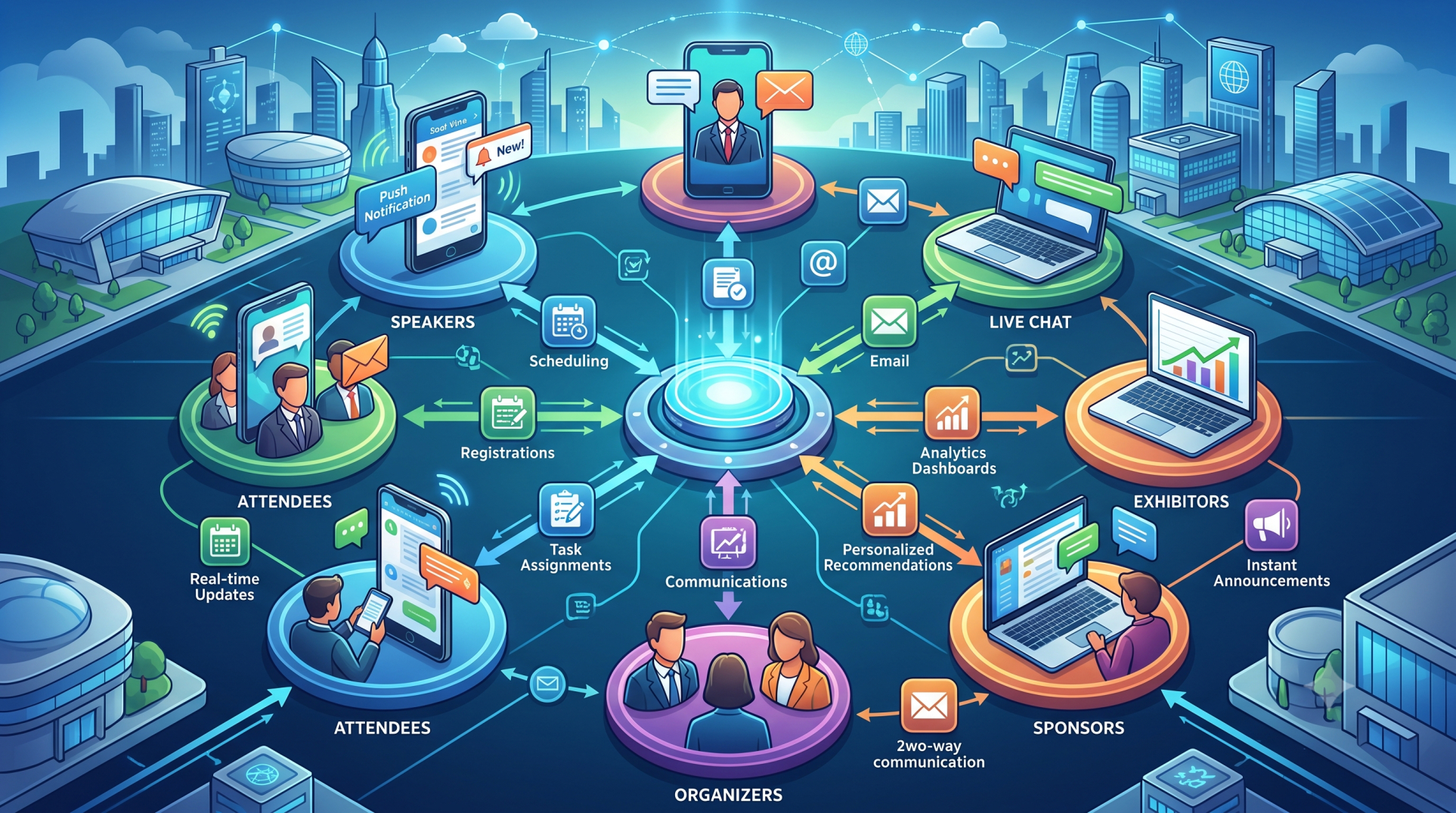
Digital Communication Hubs in Event Management Systems
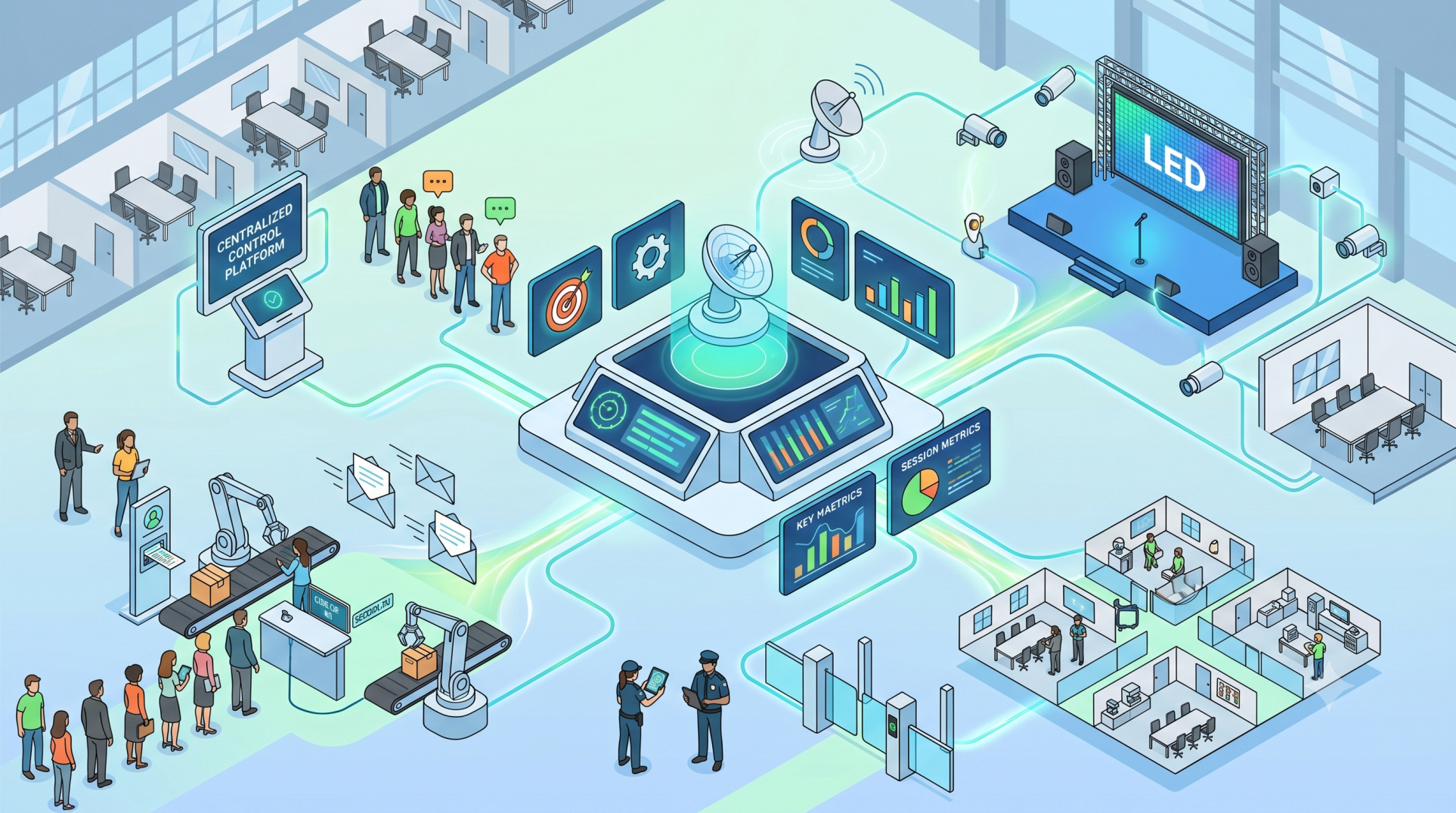
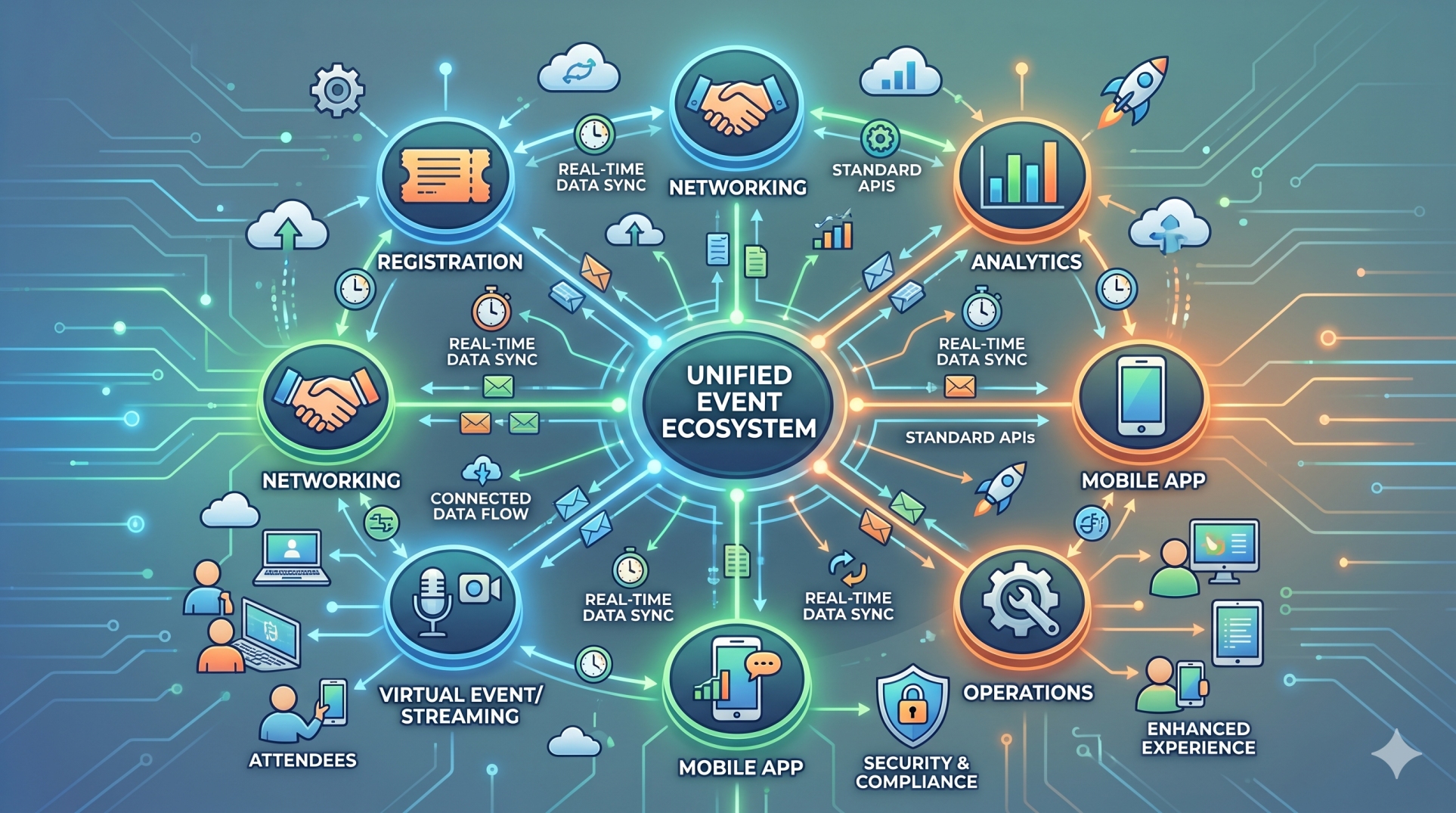
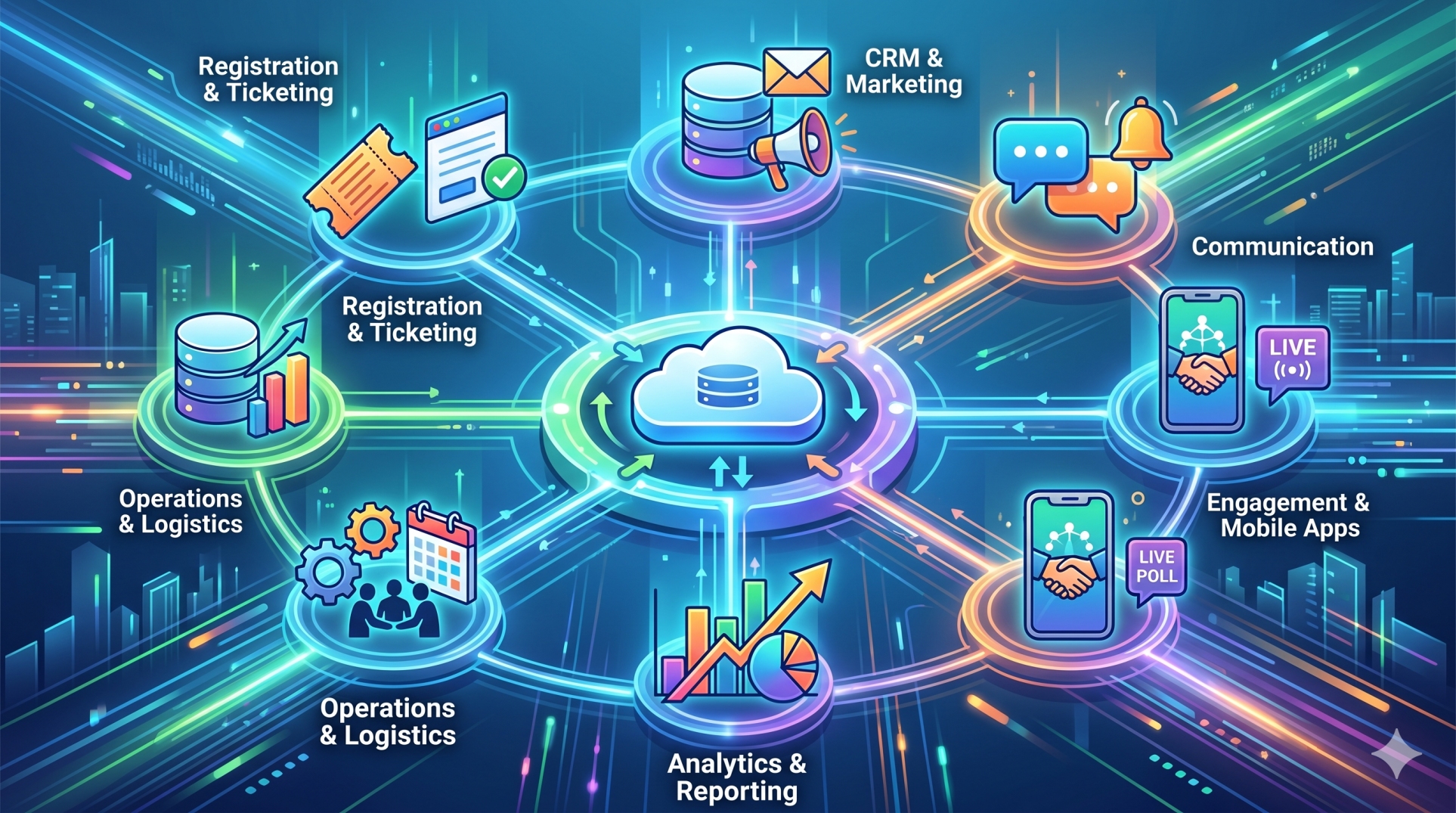
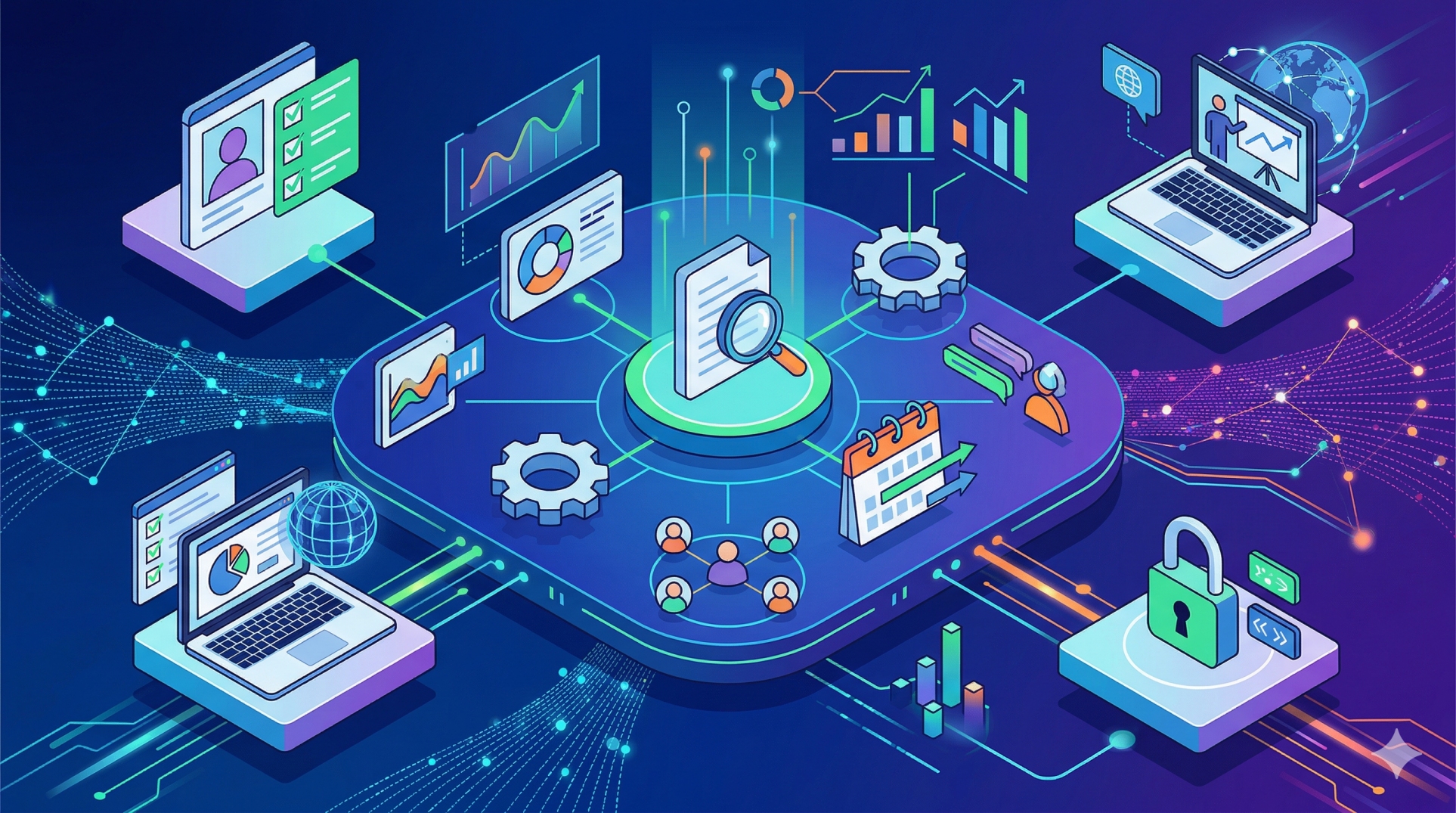
Successful events depend on clear, timely, and consistent communication among organizers, attendees, speakers, exhibitors, sponsors, and support teams. As enterprise events become more complex, managing communication through multiple disconnected channels can lead to delays, confusion, and missed opportunities. Digital Communication Hubs bring all event interactions into a centralized platform, enabling real-time collaboration, streamlined information sharing, and a more connected event experience.
Step 1: Understanding Digital Communication Hubs 💬
• Centralize communication across all event stakeholders 🌐
• Connect organizers, attendees, exhibitors, and speakers in one platform 🤝
• Eliminate fragmented communication channels 📲
• Improve coordination throughout the event lifecycle 📋
• Create a consistent communication experience for every participant ⭐
Step 2: Building a Unified Communication Platform 🏗️
• Integrate messaging, notifications, and announcements into one system 📢
• Connect communication tools with event schedules and registrations 📅
• Enable role-based communication for different user groups 👥
• Maintain centralized access to event updates 📂
• Support communication across multiple event formats 🌍
Step 3: Delivering Real-Time Updates ⚡
• Send instant notifications for schedule changes 📲
• Share important announcements with targeted audiences 📢
• Notify attendees about session availability and venue updates 📍
• Keep event staff informed about operational changes 👨💼
• Improve responsiveness through live communication 📡
Step 4: Enhancing Team Collaboration 🤝
• Coordinate internal event teams through shared communication channels 💼
• Assign tasks and monitor progress efficiently 📋
• Enable quick decision-making during live events ⚙️
• Reduce communication delays between departments 🔄
• Support seamless collaboration across multiple locations 🌐
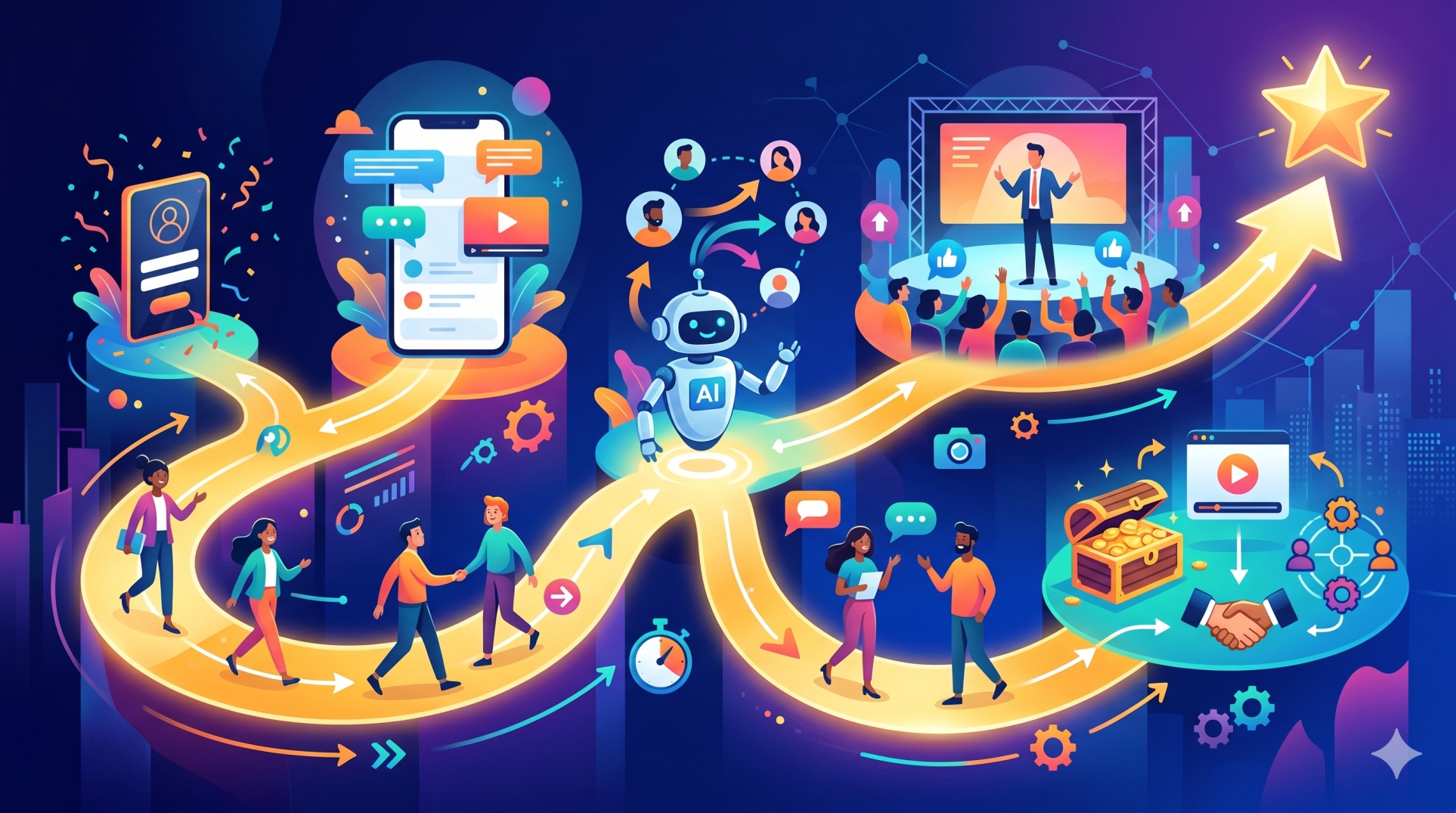
Step 5: Personalizing Attendee Communication 👤
• Deliver customized schedules and reminders 📅
• Send personalized recommendations based on attendee interests 🎯
• Share relevant exhibitor and networking opportunities 🤝
• Provide location-specific guidance during the event 📍
• Improve attendee engagement through targeted communication 💡
Step 6: Supporting Multi-Channel Communication 📡
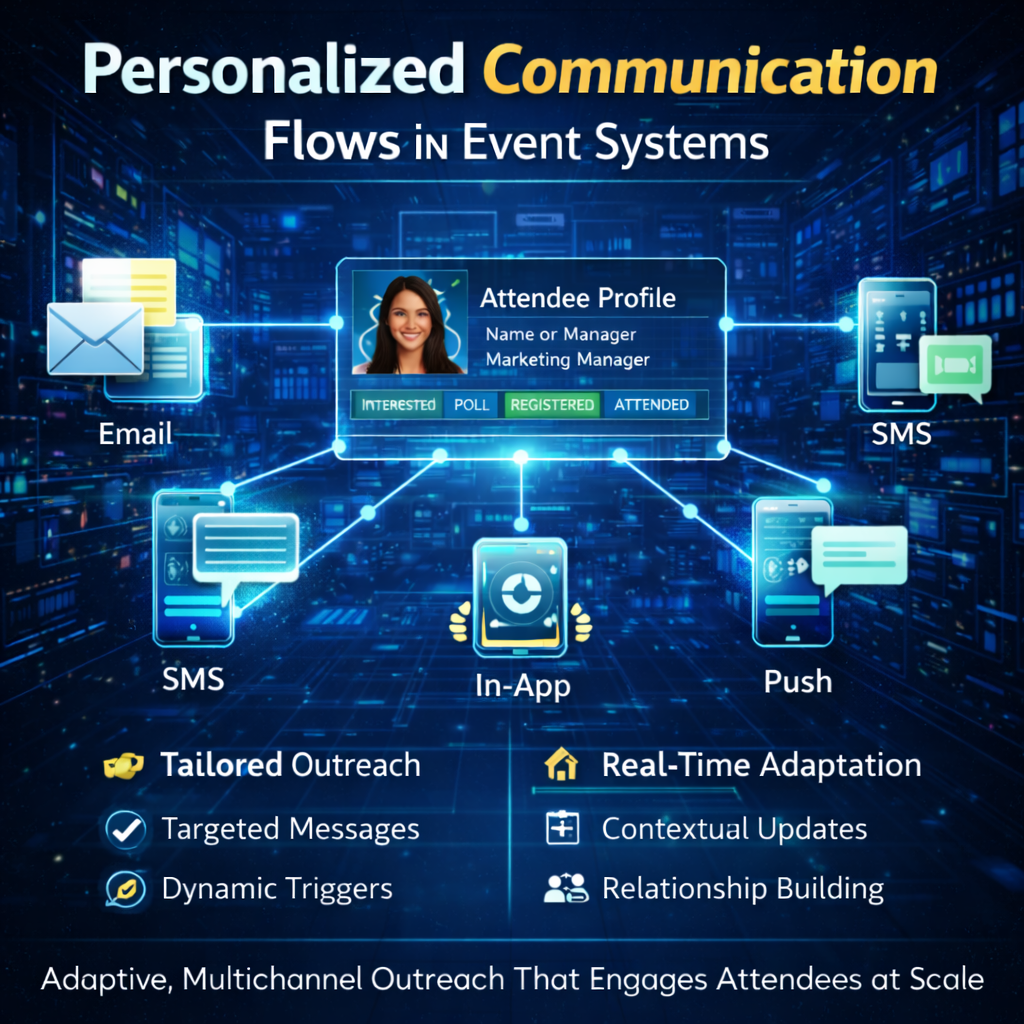
• Deliver messages through mobile apps, email, SMS, and web portals 📱
• Ensure consistent information across every communication channel 🔄
• Reach attendees regardless of their preferred platform 🌍
• Enable two-way communication when appropriate 💬
• Maintain synchronized messaging across systems ⚙️
Step 7: Monitoring Communication Performance 📊
• Track message delivery and engagement metrics 📈
• Measure attendee response rates and participation 👥
• Identify communication gaps during event operations 🔍
• Analyze interaction patterns to improve future events 💡
• Generate reports for operational and marketing teams 📋
Step 8: Key Communication Priorities ⭐
• Centralized communication management 🏢
• Real-time information sharing ⚡
• Personalized attendee engagement 🎯
• Scalable communication infrastructure for enterprise events 🚀
Step 9: Managing Communication During Disruptions 🚨
• Quickly notify participants about unexpected changes 📢
• Coordinate emergency communications efficiently 🚑
• Redirect attendees during venue or schedule adjustments 🔄
• Keep staff aligned through centralized updates 👥
• Maintain operational continuity during critical situations 🛡️
Step 10: Building a Future-Ready Communication Ecosystem 🌍
• Design communication platforms that scale with event growth 📈
• Integrate AI-powered messaging and automation 🤖
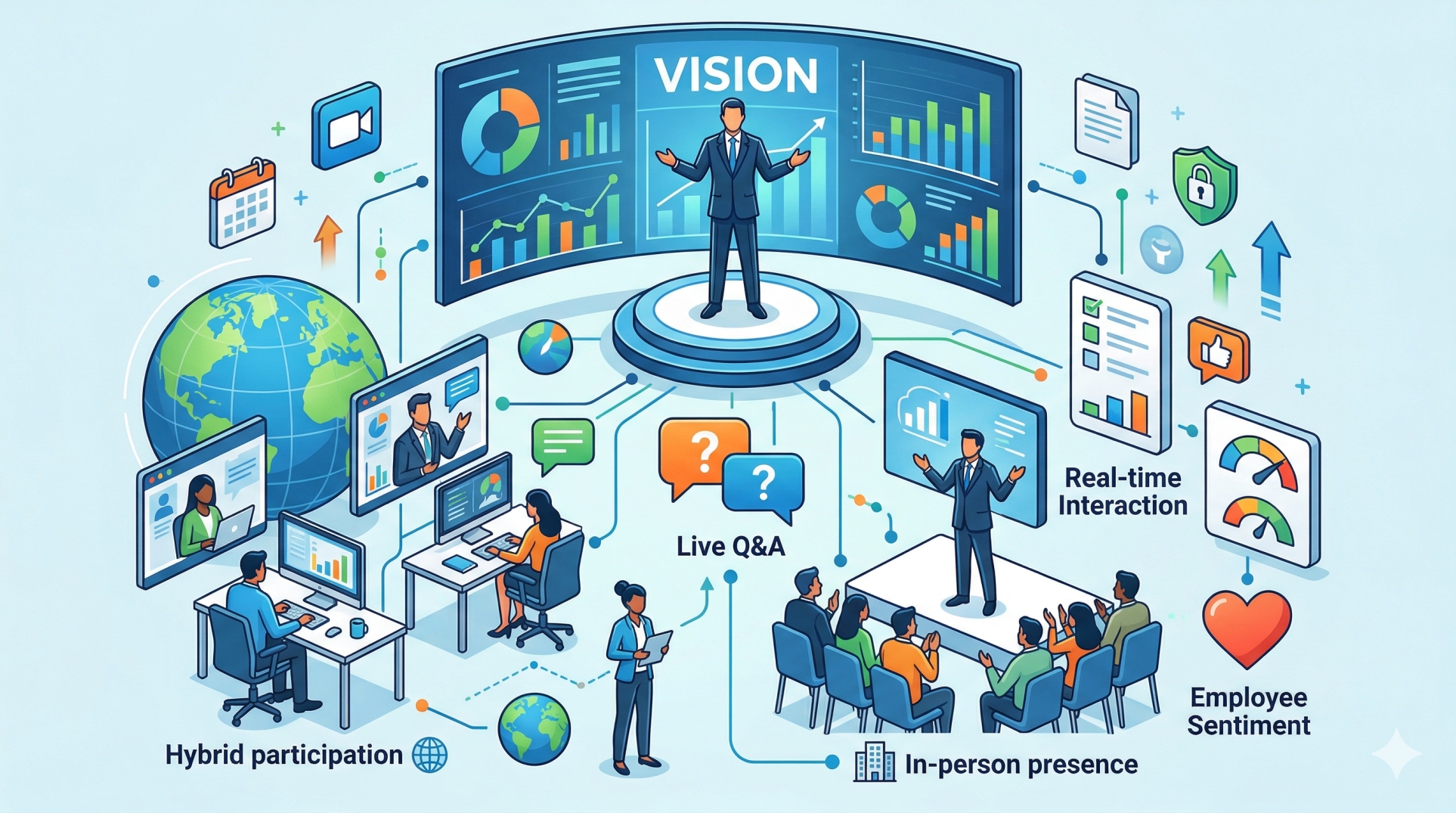
• Support hybrid, virtual, and in-person event experiences 🌐
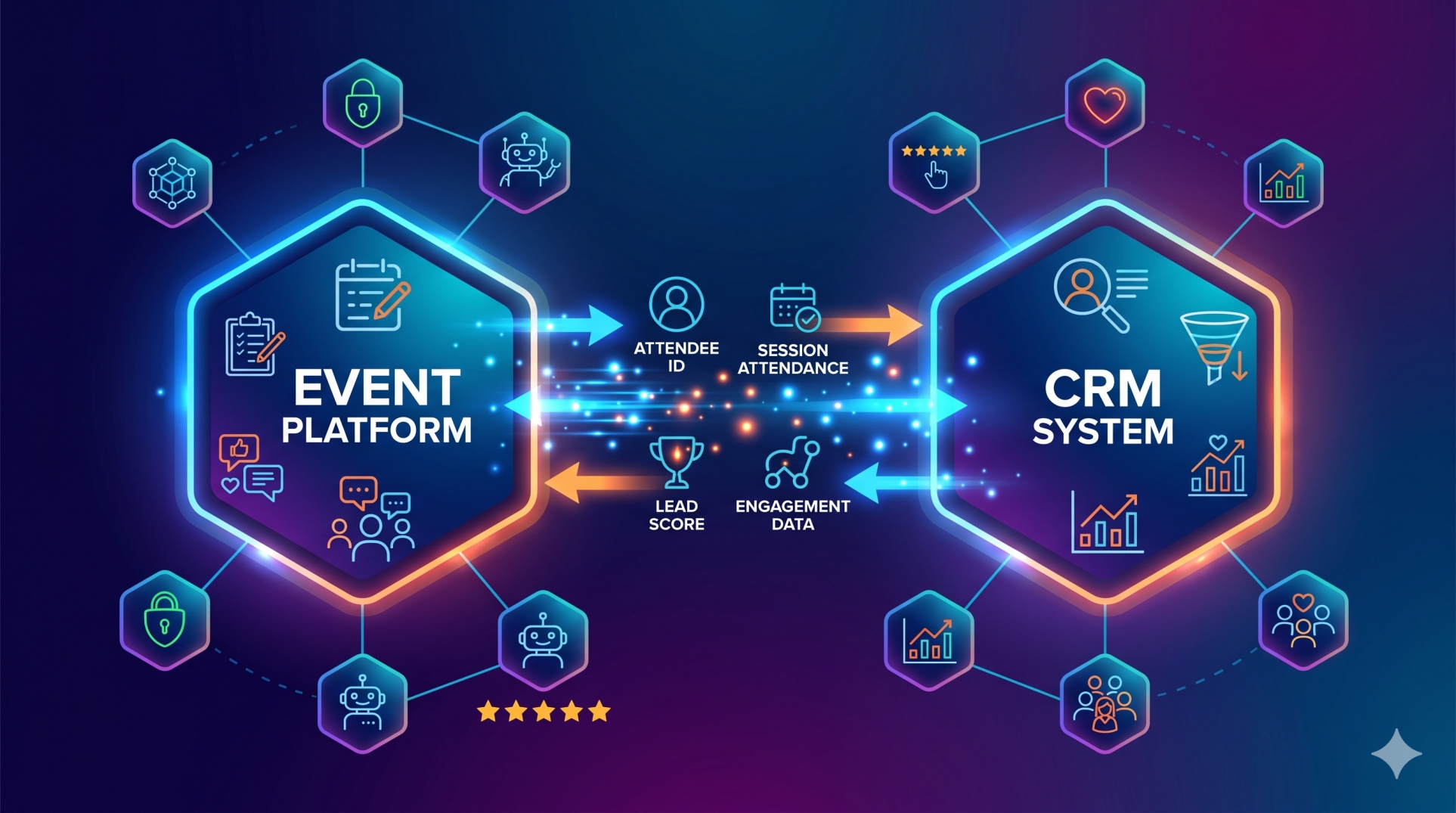
• Connect with CRM, registration, and analytics platforms 🔗
• Continuously improve communication strategies through data-driven insights 📊
Conclusion
Digital Communication Hubs play a vital role in modern event management by connecting people, information, and operations through a centralized platform. By enabling real-time updates, personalized engagement, and seamless collaboration, these systems help organizers deliver well-coordinated and successful events. As enterprise events continue to evolve, centralized communication frameworks provide the flexibility, scalability, and operational visibility needed to create exceptional event experiences.
See more blogs
You can all the articles below

























Ready to Find Your Perfect Solution?
Let us show you how Event Software can transform your events

AI-powered event management platform that helps you create stunning events .