Content Lifecycle Management in Event Platforms
Content Lifecycle Management in Event Platforms
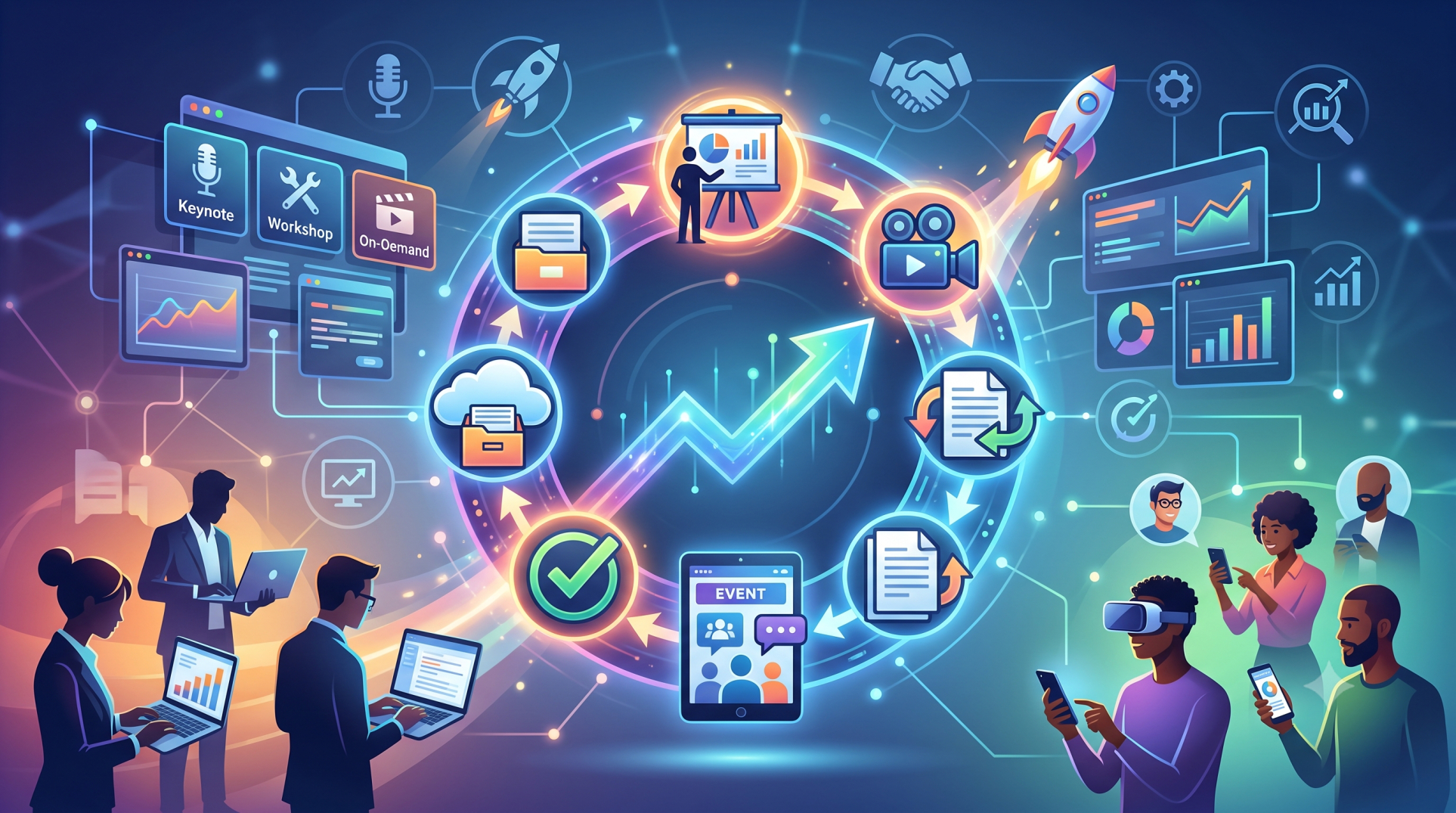
As enterprise events become more digital and content-rich, managing presentations, videos, documents, and session materials throughout their lifecycle is essential. Content Lifecycle Management (CLM) in event platforms provides a structured approach to creating, organizing, publishing, updating, archiving, and analyzing event content. A well-managed content lifecycle ensures that attendees receive accurate information, organizers maintain operational control, and valuable content continues delivering value long after the event concludes.
Step 1: Planning the Content Strategy 📝
• Define content objectives for different event audiences 🎯
• Organize presentations, videos, documents, and media assets 📂
• Establish content ownership and approval responsibilities 👥
• Align content with event schedules and sessions 📅
• Create a structured publishing roadmap 🚀
Step 2: Centralizing Content Management 📚
• Store all event content within a unified platform 🗂️
• Categorize materials for quick access and retrieval 🔍
• Maintain consistent naming and version control 📋
• Eliminate duplicate files across teams 🔄
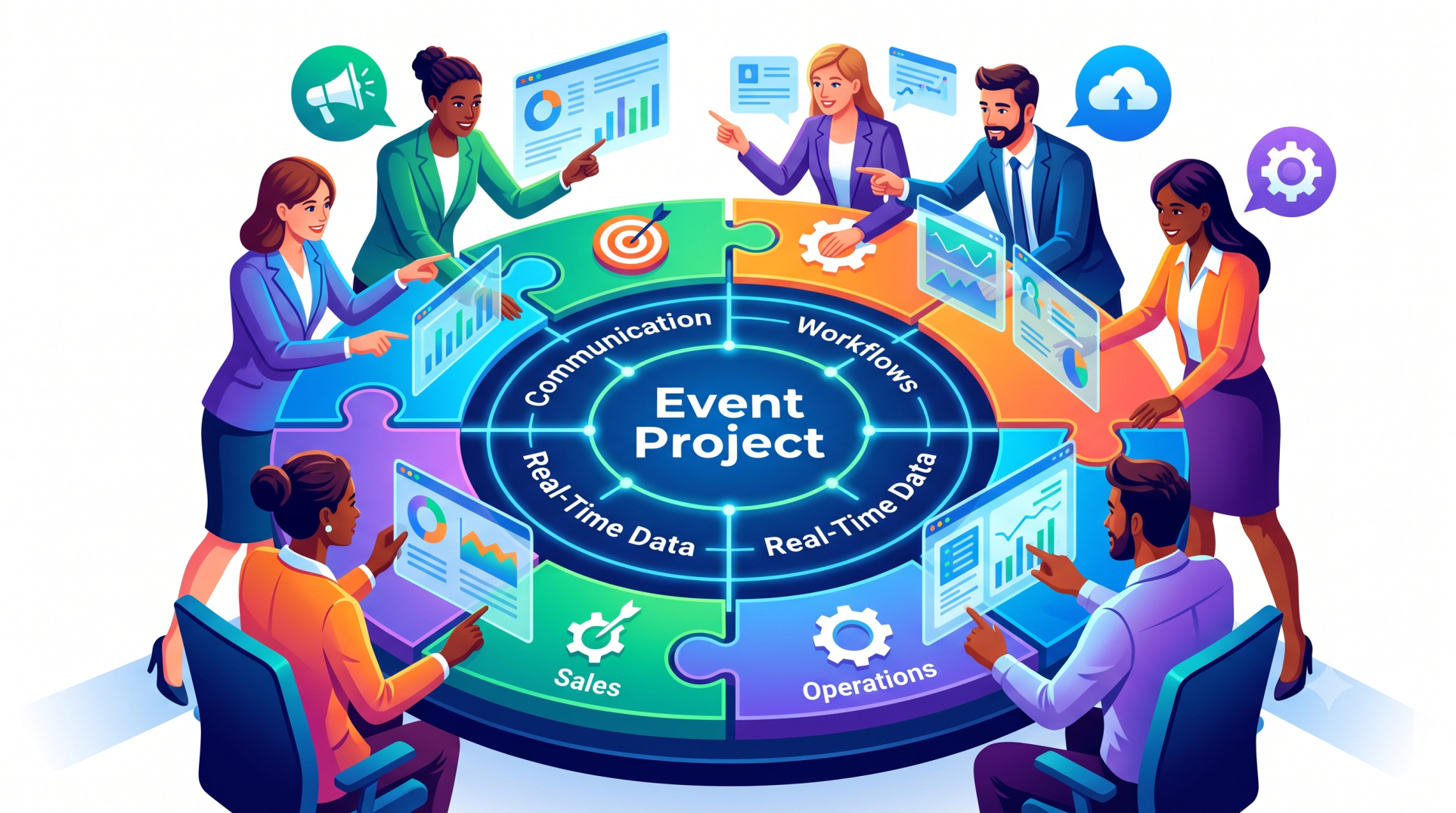
• Improve collaboration through centralized access 🤝
Step 3: Streamlining Content Creation ✍️
• Enable collaborative editing among event stakeholders 👨💻
• Standardize templates for presentations and documents 📄
• Review and refine content before publication ✅
• Maintain brand consistency across all materials 🎨
• Accelerate production with structured workflows ⚙️
Step 4: Managing Review and Approval Processes ✔️
• Route content through automated approval workflows 🔁
• Track revisions and approval history 📝
• Notify reviewers when updates require attention 📧
• Ensure only approved content reaches attendees 🛡️
• Reduce delays through transparent review processes ⏱️
Step 5: Publishing Content Across Channels 🌐
• Distribute content through event websites and mobile apps 📱
• Publish session materials before, during, and after events 🎤
• Synchronize updates across multiple digital platforms 🔄
• Deliver personalized content to different attendee groups 👥
• Ensure timely access to relevant information 📡
Step 6: Managing Content During Live Events 🎥
• Update agendas and session materials in real time ⚡
• Share announcements and presentation updates instantly 📢
• Coordinate digital signage and attendee notifications 🖥️
• Support live streaming resources and interactive content 🎬
• Maintain accurate information throughout the event 🕒
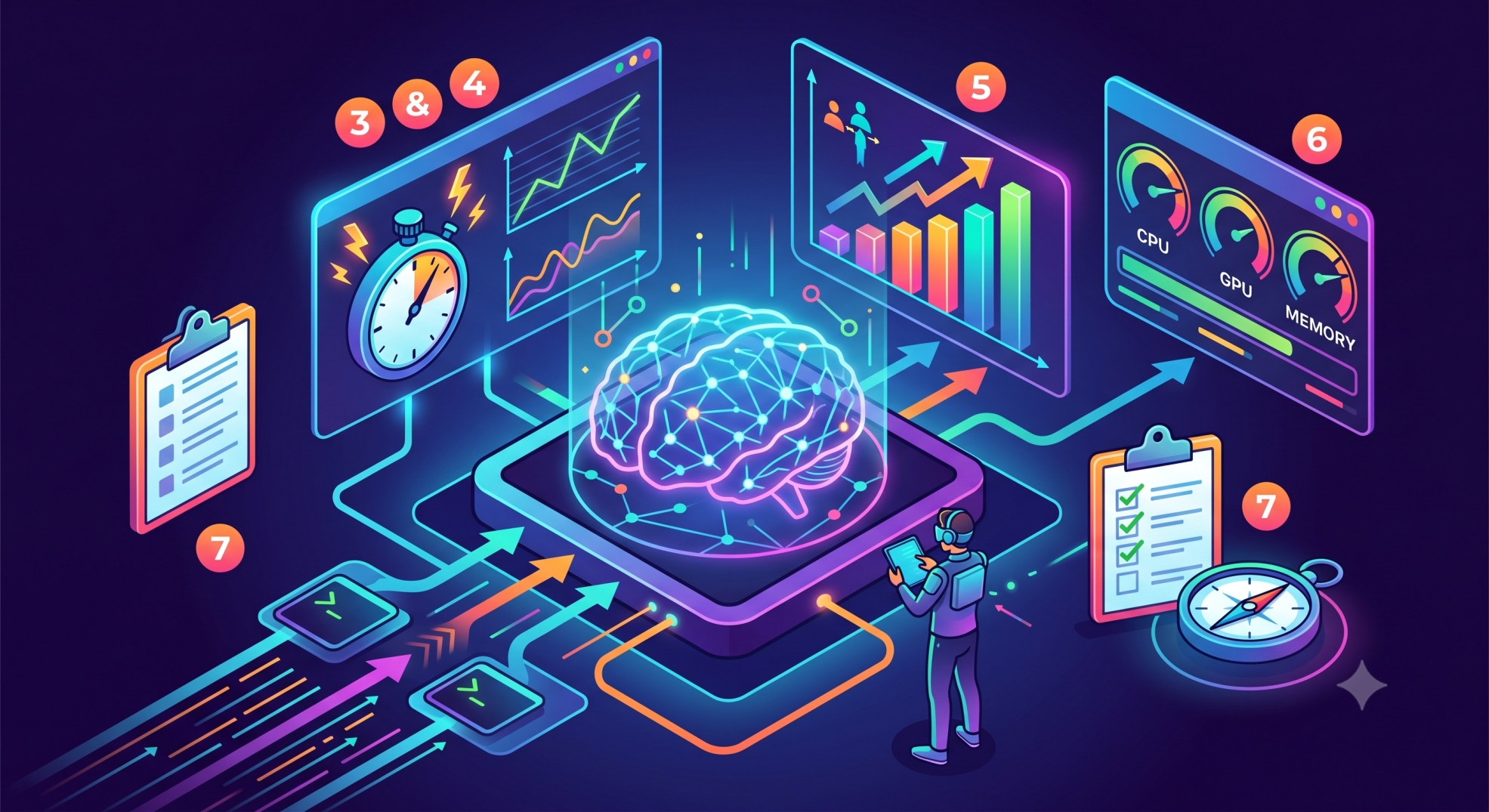
Step 7: Monitoring Content Performance 📊
• Track downloads, views, and attendee engagement 📈
• Measure participation across sessions and resources 👀
• Analyze content effectiveness using usage metrics 📋
• Identify high-performing materials for future events 💡
• Continuously improve content strategy through analytics 🔍
Step 8: Key Content Management Priorities ⭐
• Centralized control of all event content 📂
• Consistent publishing and version management 🔄
• Real-time accessibility for attendees 🌍
• Scalable content infrastructure for future events 🚀
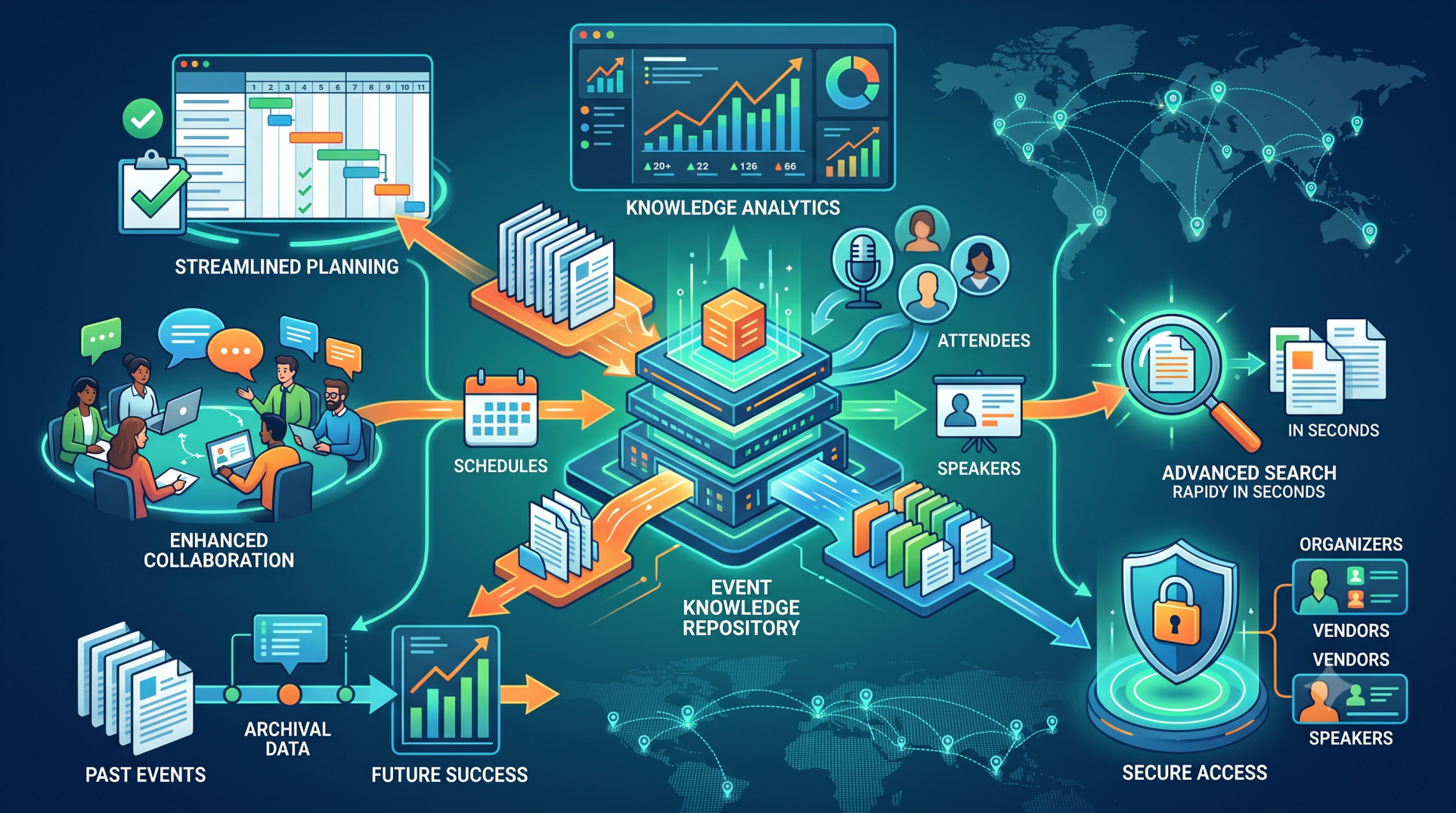
Step 9: Archiving and Content Reuse 🗃️
• Archive presentations and recordings securely 🔐
• Preserve historical event materials for future reference 📚
• Reuse valuable content across future events ♻️
• Maintain searchable content repositories 🔍
• Support long-term knowledge sharing within the organization 🌐
Step 10: Building a Future-Ready Content Ecosystem 🌟
• Design scalable content management architectures 🏗️
• Integrate AI-powered search and content recommendations 🤖
• Support hybrid and virtual event experiences 🌍
• Enable seamless integration with enterprise platforms 🔗
• Continuously optimize content workflows through innovation 🚀
Conclusion
Content Lifecycle Management enables event platforms to organize, govern, and maximize the value of digital content throughout every stage of an event. By centralizing content operations, automating workflows, and providing real-time accessibility, organizations can improve collaboration, enhance attendee experiences, and extend the long-term impact of event assets. A scalable content lifecycle strategy ensures event platforms remain efficient, adaptable, and ready for future engagement opportunities.
See more blogs
You can all the articles below
























Ready to Find Your Perfect Solution?
Let us show you how Event Software can transform your events

AI-powered event management platform that helps you create stunning events .