Managing Event Assets with Centralized Software Systems
Managing Event Assets with Centralized Software Systems
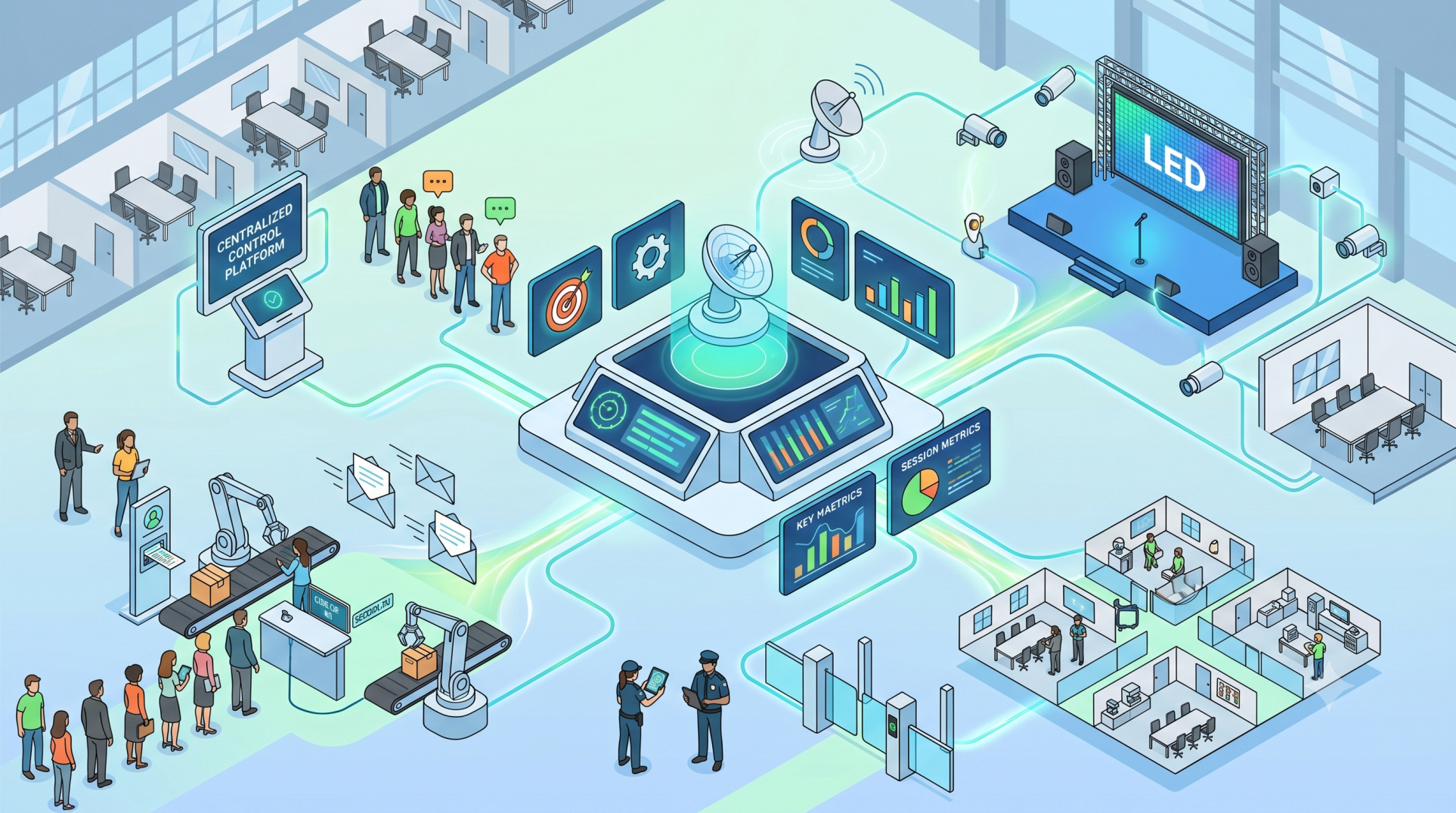
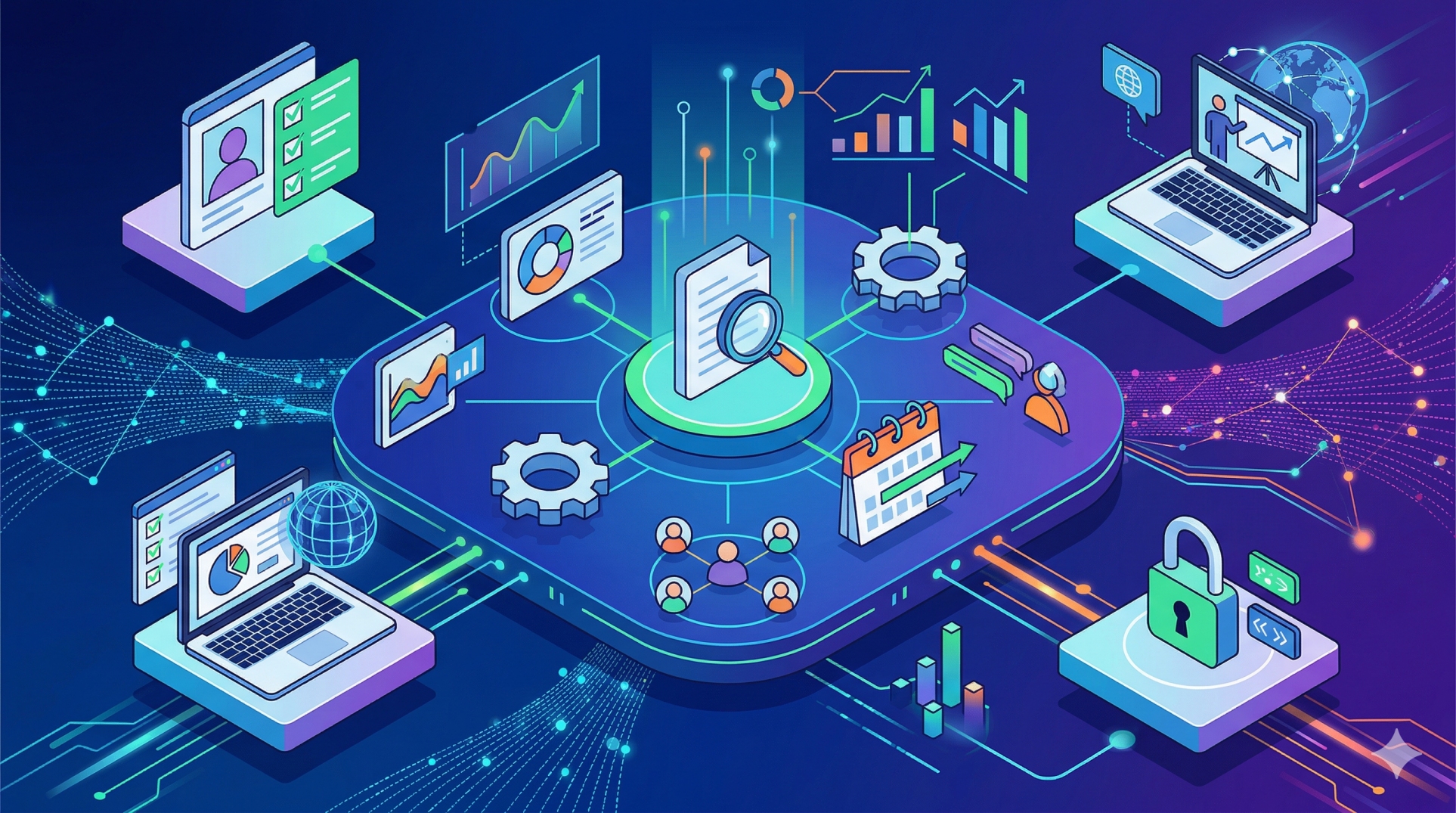
Managing event assets efficiently is essential for delivering successful conferences, exhibitions, corporate meetings, and large-scale events. From audiovisual equipment and venue resources to marketing materials and exhibitor assets, every component must be tracked, allocated, and maintained throughout the event lifecycle. Centralized software systems provide a single platform for managing these assets, improving visibility, reducing operational complexity, and ensuring resources are available when and where they are needed.
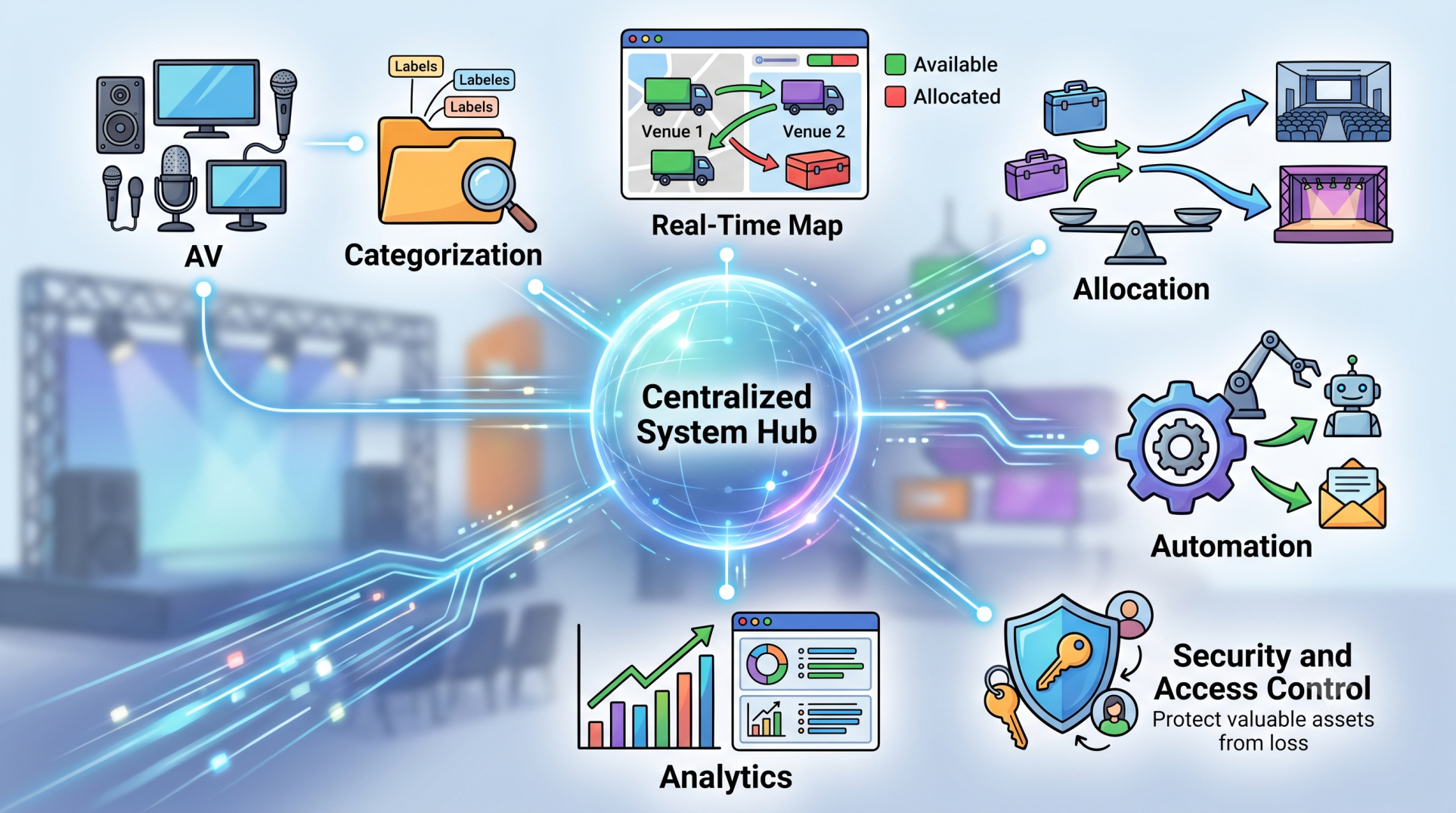
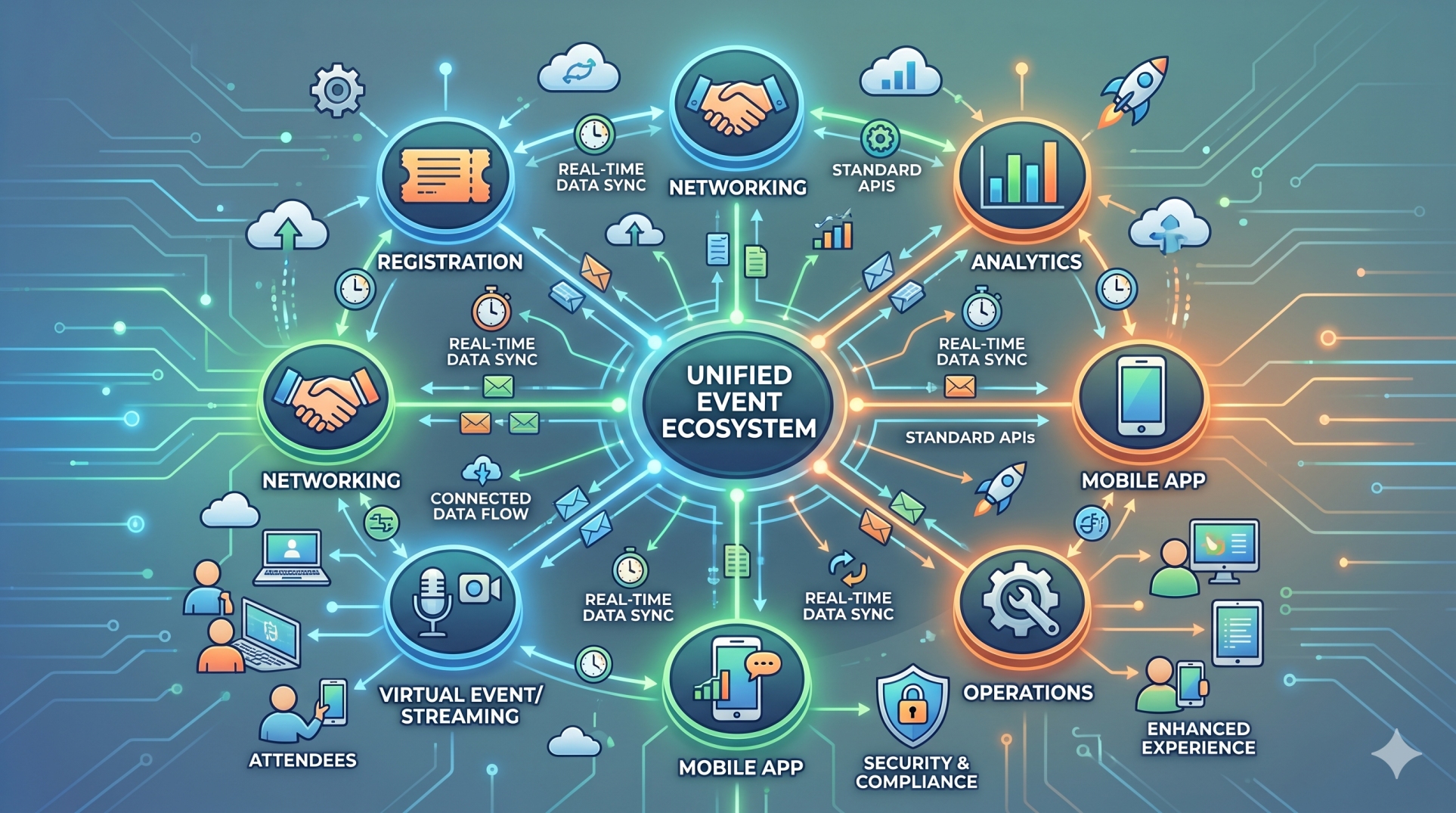
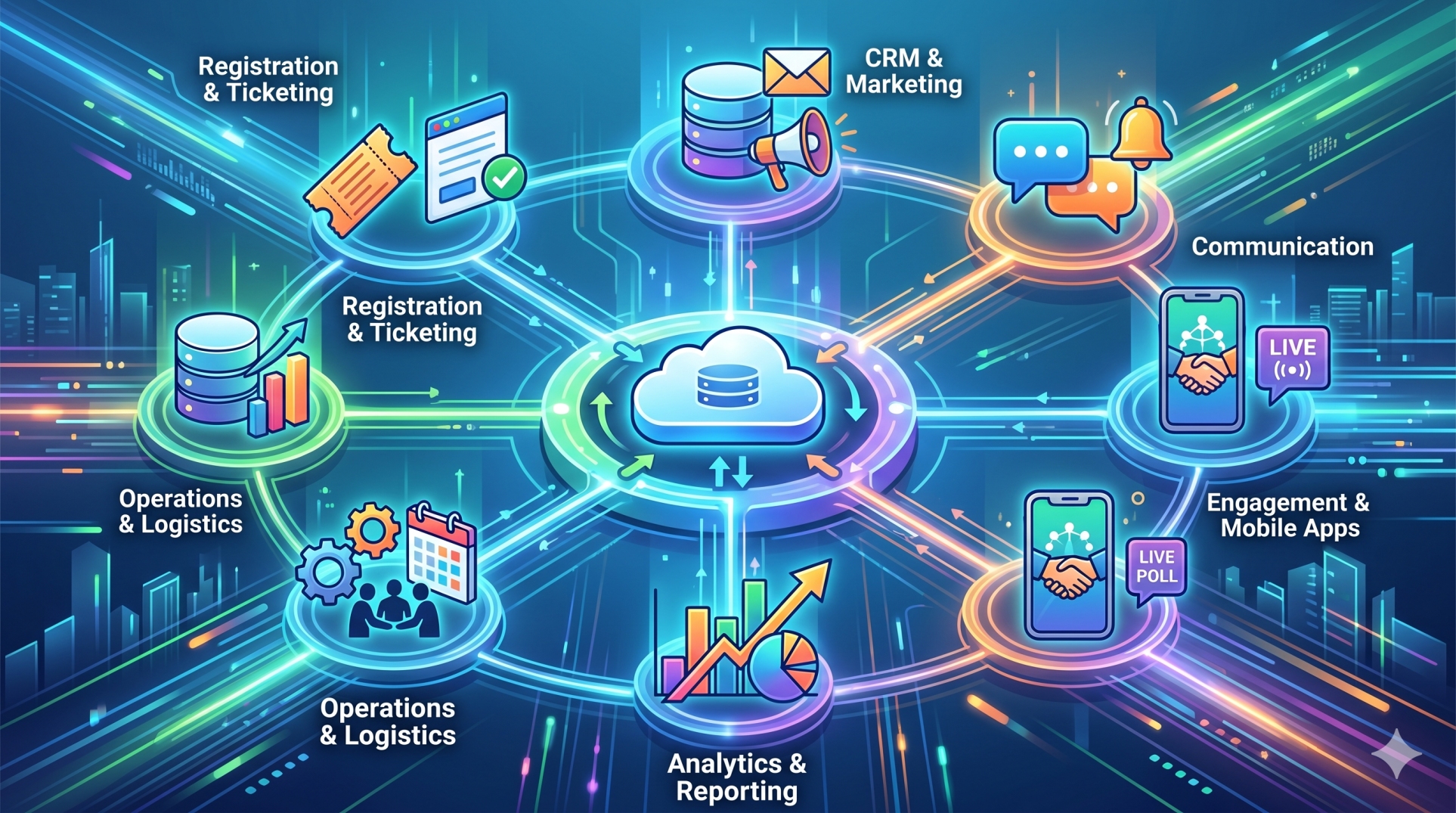
Step 1: Centralizing Event Asset Management 🏢
• Maintain a unified repository for all event assets 📦
• Organize equipment, materials, and venue resources in one system 📋
• Eliminate disconnected spreadsheets and manual tracking 🔄
• Improve visibility across all event operations 👀
• Create a single source of truth for asset information ✅
Step 2: Categorizing and Organizing Assets 🗂️
• Classify assets by type, purpose, or event location 🏷️
• Track ownership, availability, and current status 📊
• Store specifications and maintenance records 📑
• Simplify asset identification with standardized categories 🔍
• Improve search and retrieval efficiency ⚡
Step 3: Tracking Asset Availability in Real Time 📡
• Monitor asset locations throughout the event lifecycle 📍
• Display current availability through centralized dashboards 🖥️
• Prevent scheduling conflicts and duplicate allocations 🚫
• Update inventory automatically as assets are assigned 🔄
• Ensure resources are available when required ⏱️
Step 4: Streamlining Asset Allocation 🎯
• Assign equipment and resources based on event requirements 📋
• Coordinate assets across multiple venues and sessions 🏛️
• Balance utilization to maximize resource efficiency ⚖️
• Reduce delays caused by manual scheduling 🕒
• Support rapid adjustments during live events 🚀
Step 5: Automating Asset Workflows ⚙️
• Automate requests, approvals, and allocation processes 🤖
• Schedule maintenance and inspections automatically 🔧
• Generate notifications for asset returns and availability 📩
• Reduce manual administrative tasks 📝
• Improve consistency across operational workflows 📈
Step 6: Enhancing Security and Accountability 🔐
• Track asset usage throughout the event 🔍
• Maintain detailed movement and assignment records 🧾
• Restrict access based on user roles 👥
• Protect valuable equipment from loss or misuse 🛡️
• Strengthen accountability through complete audit trails ✅
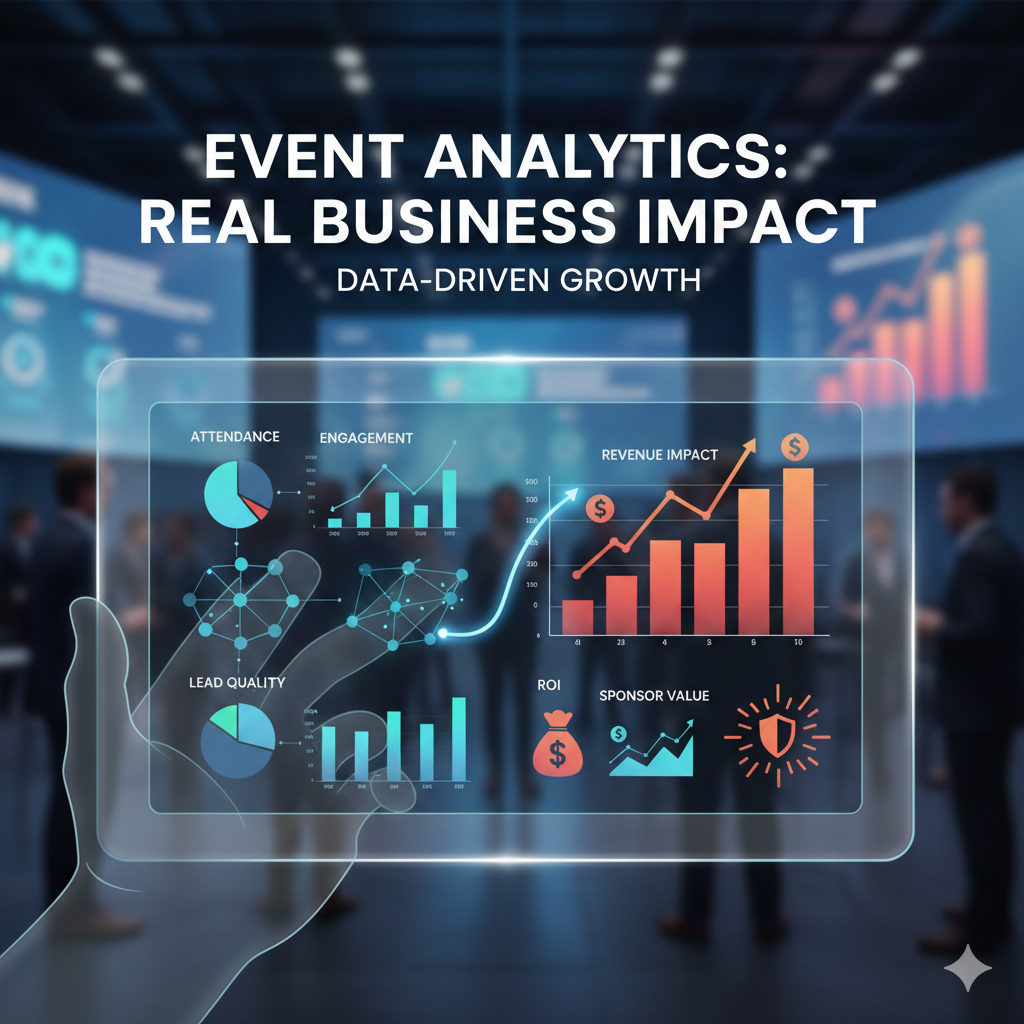
Step 7: Monitoring Asset Performance 📊
• Analyze asset utilization across events 📈
• Identify underused or overutilized resources 🔎
• Track maintenance history and operational readiness 🔧
• Generate reports to support future planning 📋
• Improve investment decisions with performance insights 💡
Step 8: Key Asset Management Priorities ⭐
• Centralized visibility into all event resources 👀
• Real-time tracking and allocation capabilities 📡
• Automated workflows for improved efficiency ⚙️
• Scalable systems that support events of every size 🚀
Step 9: Handling Operational Changes and Exceptions 🔄
• Reallocate assets quickly when schedules change 📅
• Respond efficiently to equipment shortages or failures 🚨
• Support last-minute event modifications without disruption 🔧
• Maintain operational continuity during high-demand periods 💪
• Minimize downtime through proactive resource management ✅
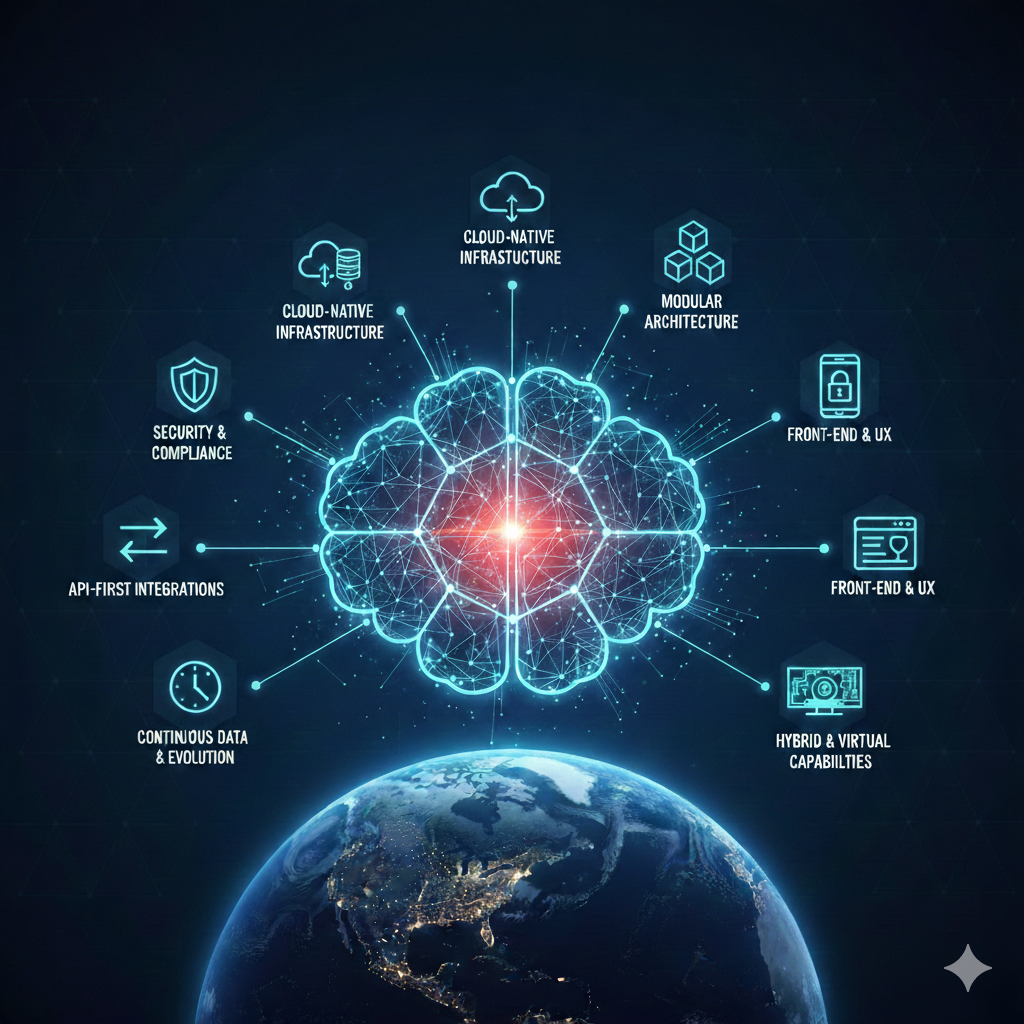
Step 10: Building a Future-Ready Asset Management Strategy 🌍
• Design flexible systems that adapt to evolving event requirements 🏗️
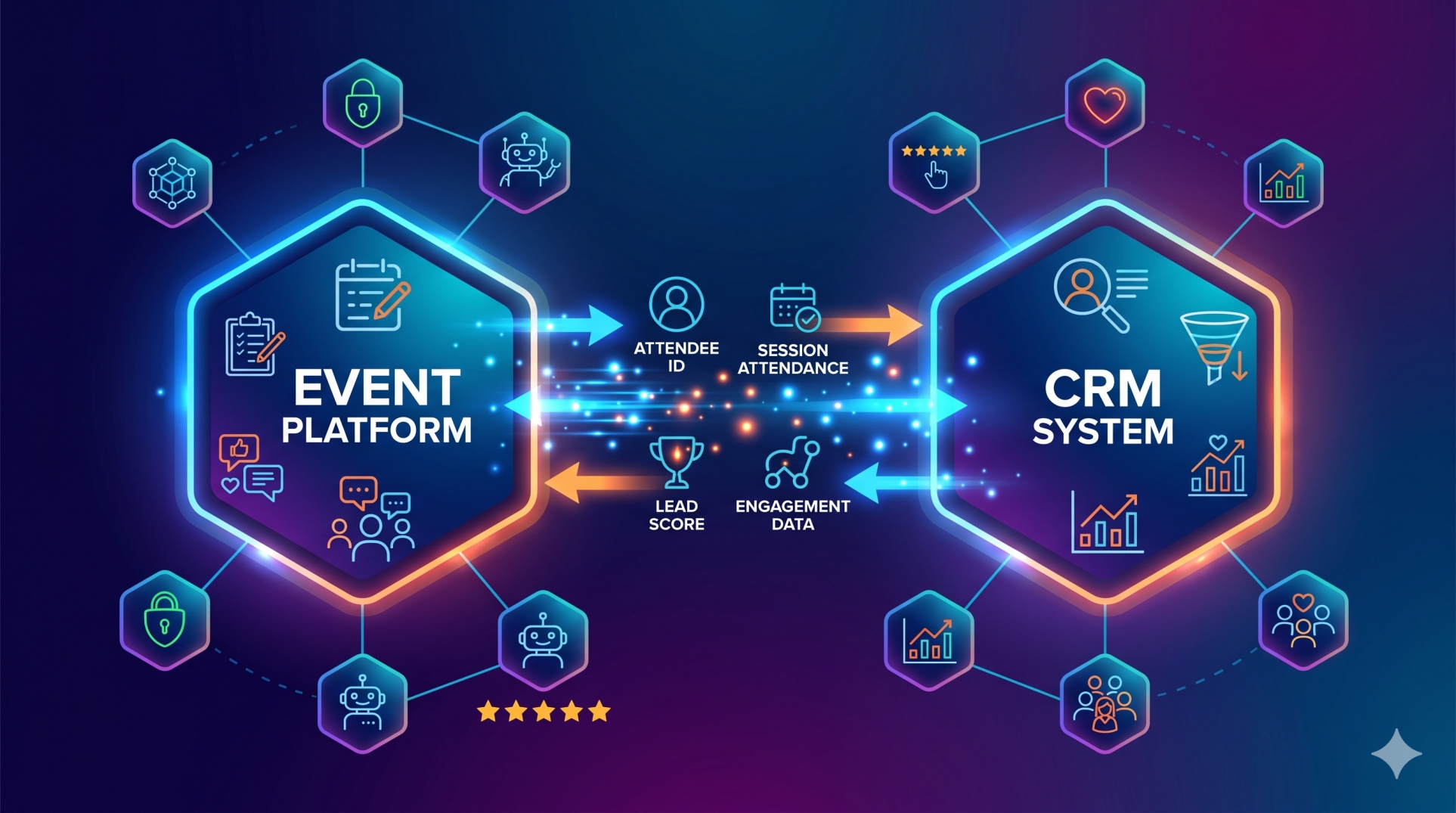
• Integrate asset management with registration, scheduling, and logistics platforms 🔗
• Support hybrid, virtual, and in-person event operations 🌐
• Enable continuous process improvement through analytics 📊
• Future-proof event operations with scalable digital infrastructure 🚀
Conclusion
Centralized software systems transform event asset management by providing complete visibility, streamlined coordination, and automated control over critical resources. By unifying asset tracking, allocation, and performance monitoring within a single platform, organizations can reduce operational complexity, improve resource utilization, and deliver seamless event experiences. As enterprise events continue to grow in scale and complexity, centralized asset management provides the efficiency, flexibility, and scalability needed for long-term success.
See more blogs
You can all the articles below



































Ready to Find Your Perfect Solution?
Let us show you how Event Software can transform your events

AI-powered event management platform that helps you create stunning events .