
Capacity Planning Frameworks for Event Operations
Capacity Planning Frameworks for Event Operations
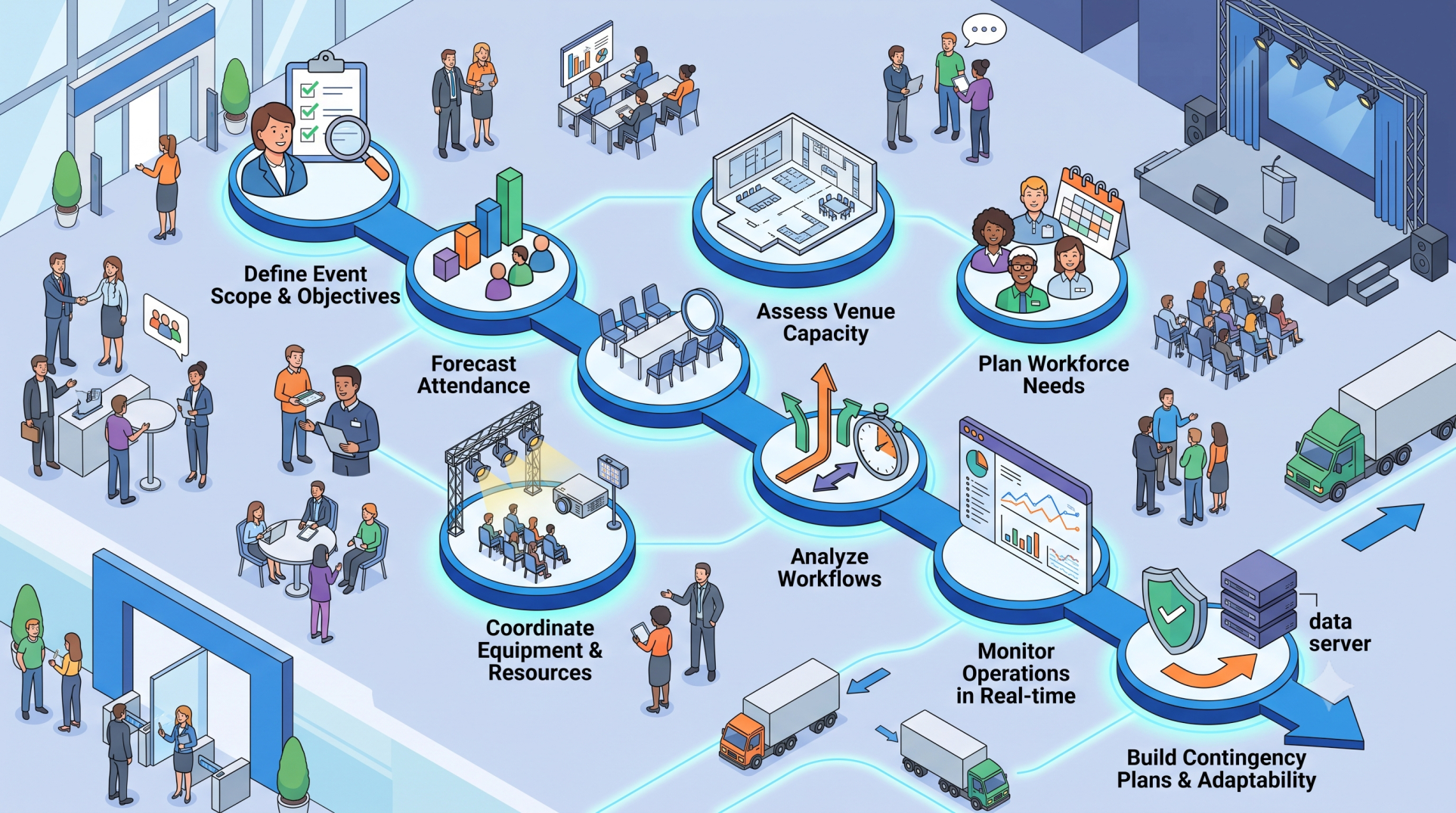
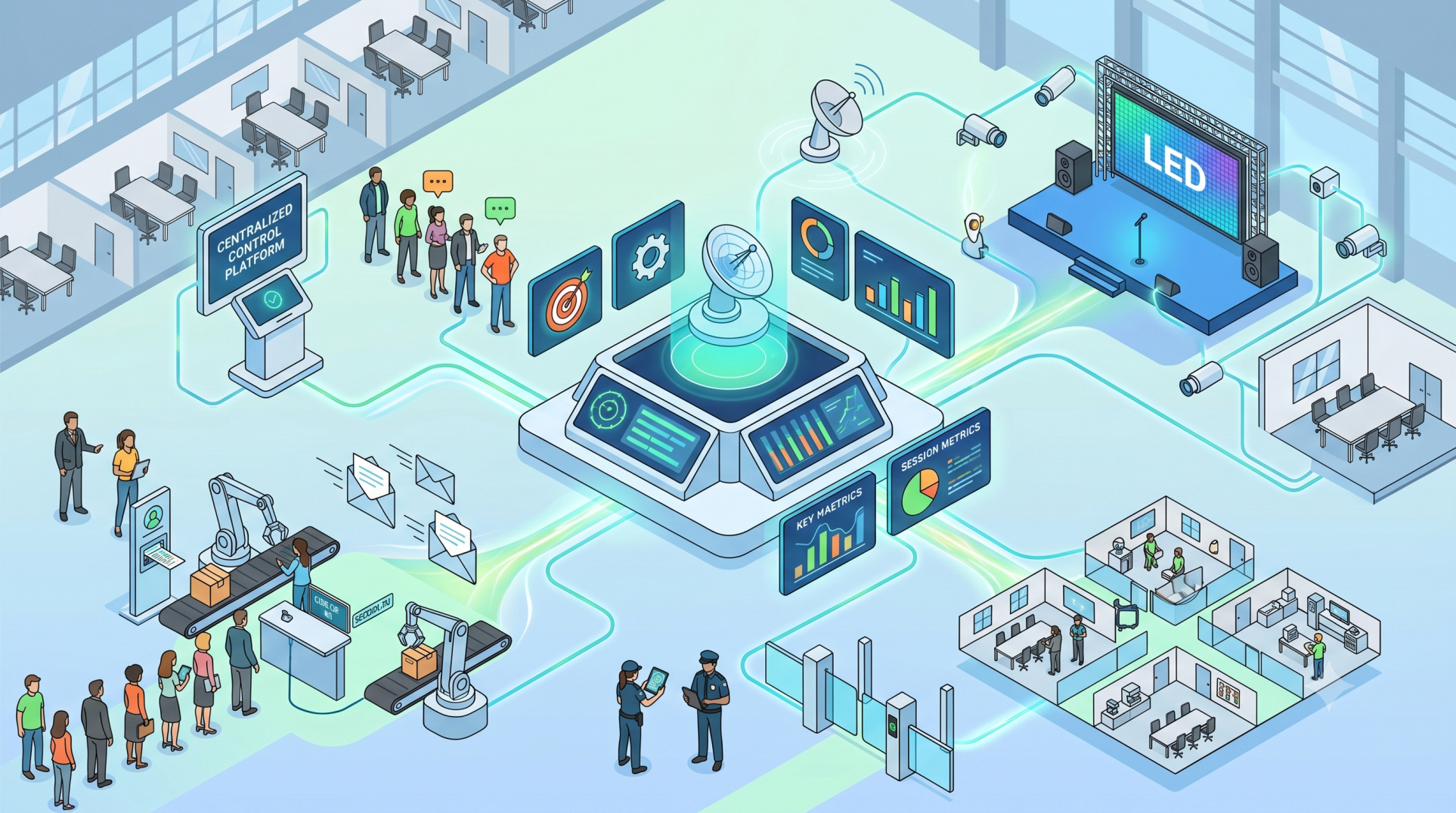
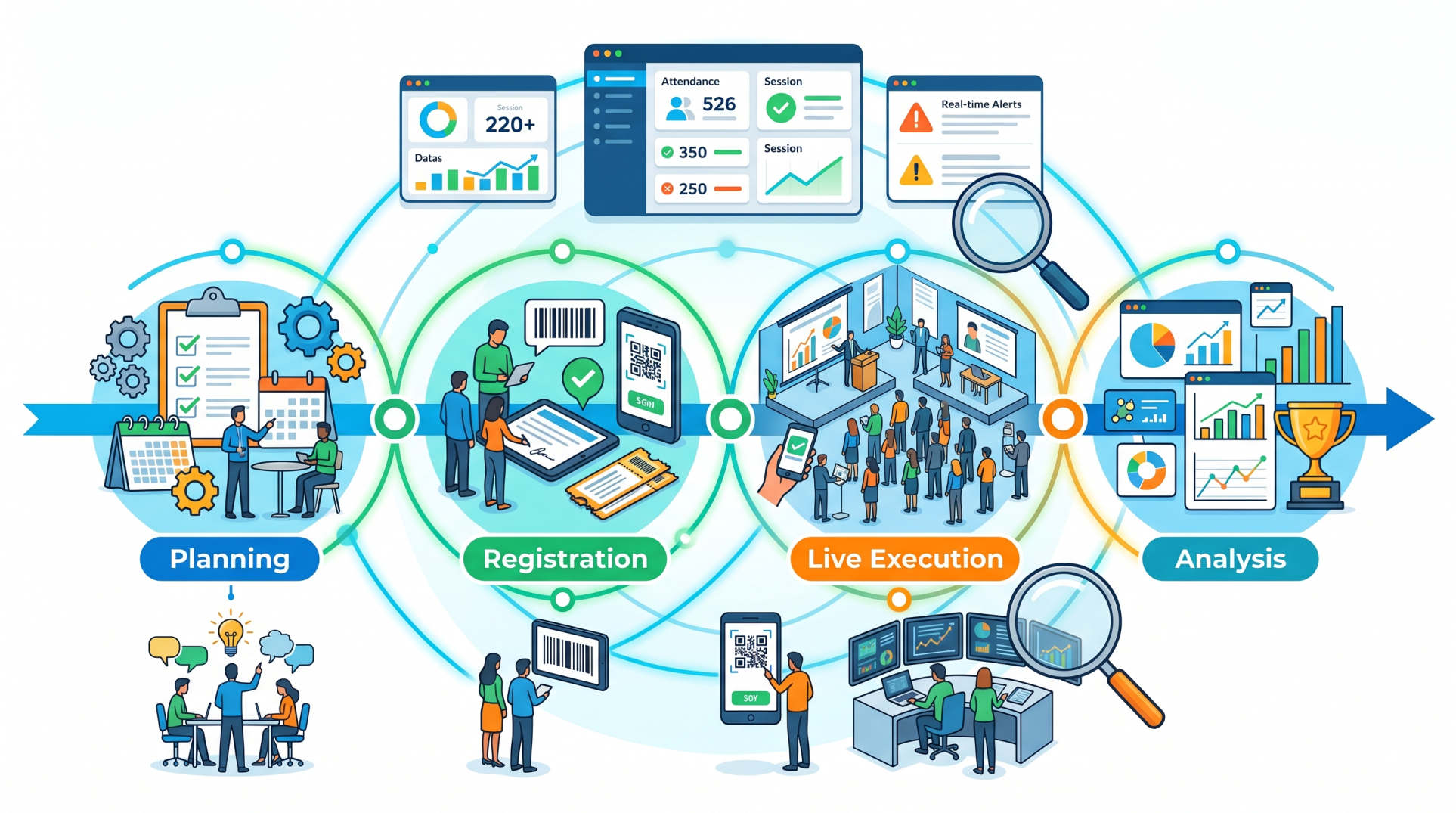
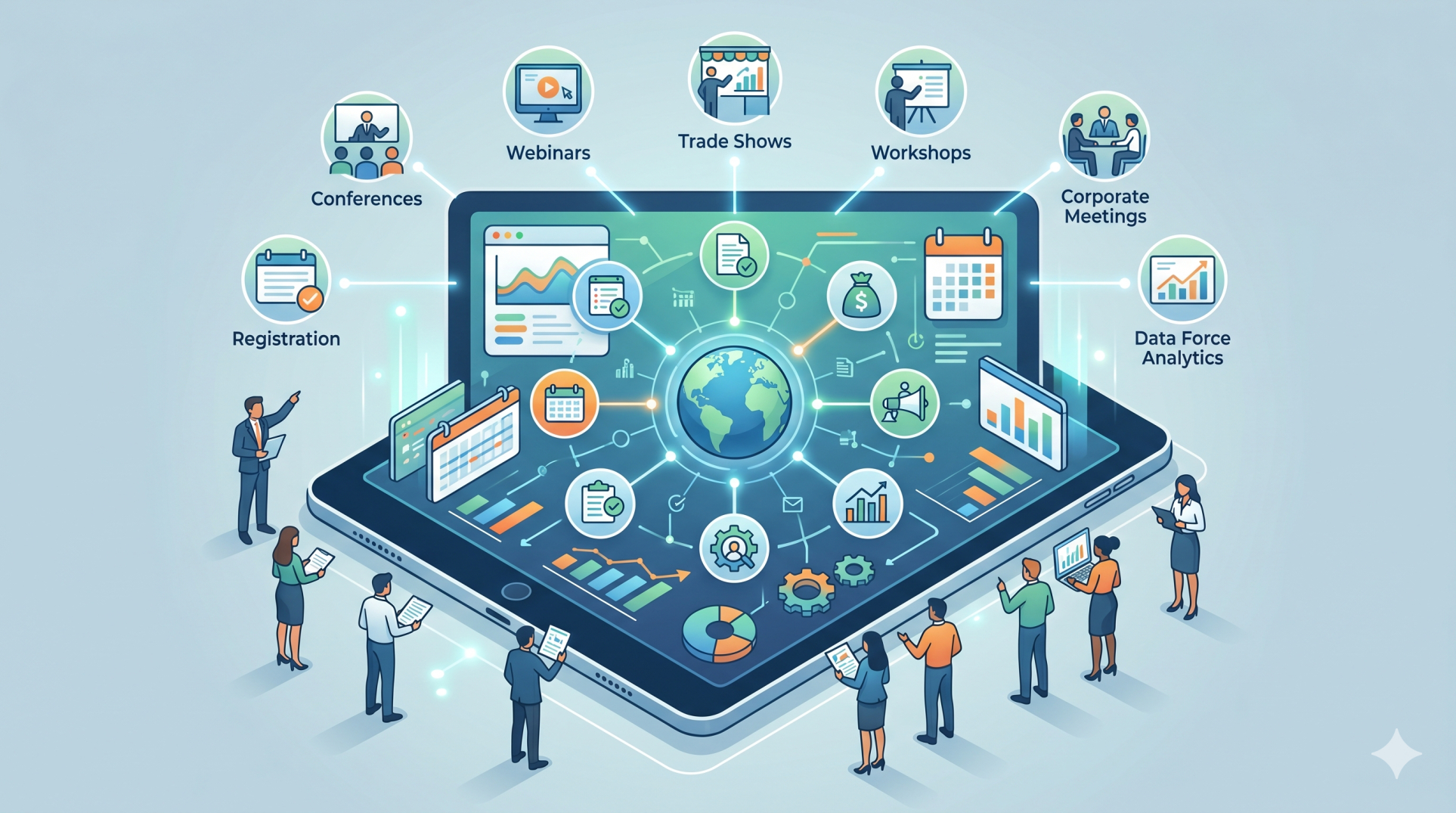
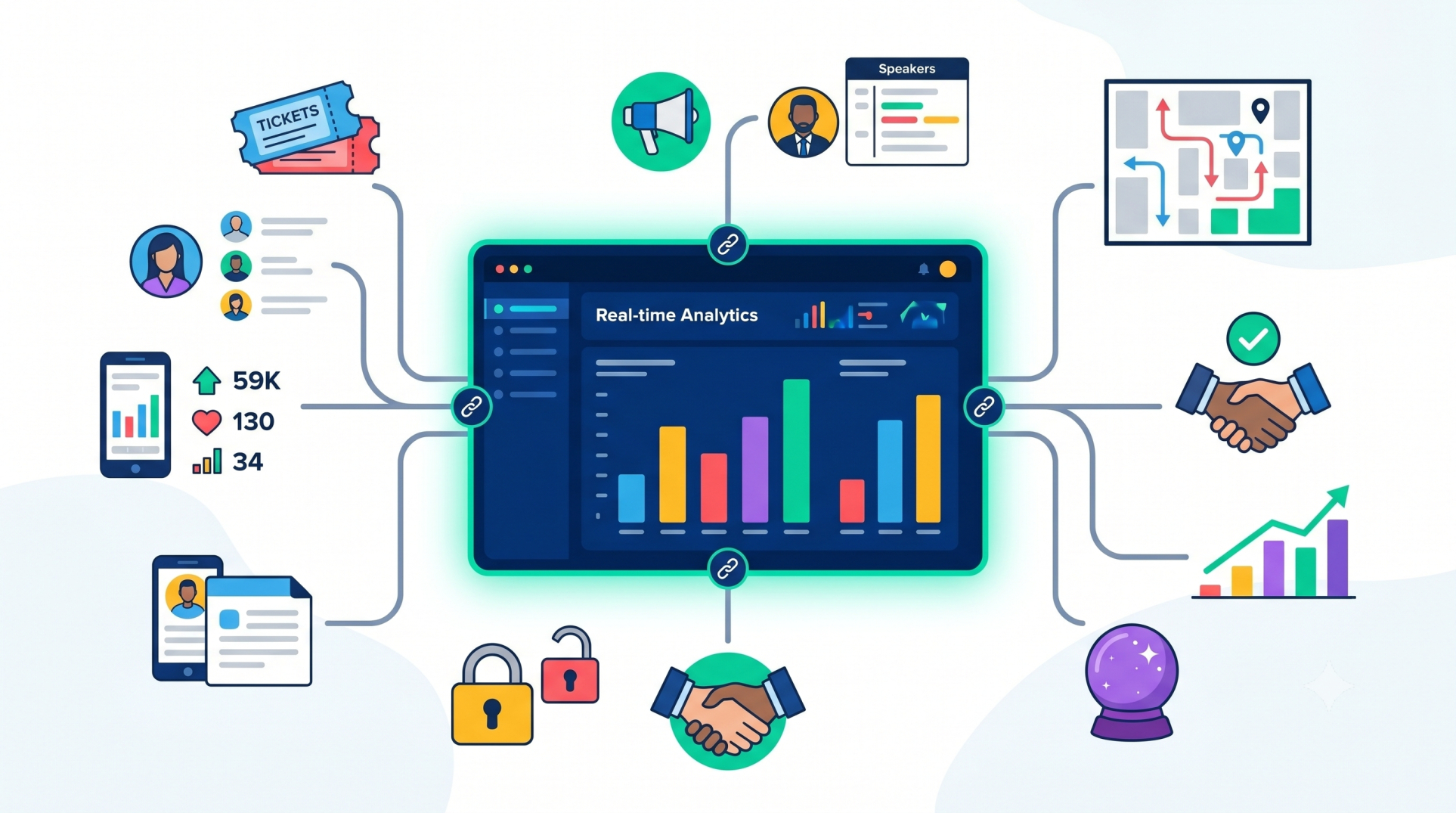
Successful event execution depends on more than attracting attendees—it requires careful planning of venues, staff, equipment, schedules, and supporting resources. Capacity Planning Frameworks help event organizers evaluate operational requirements, allocate resources efficiently, and prepare for fluctuations in attendance and activity. A structured approach to capacity planning improves operational resilience, enhances attendee experiences, and supports the successful delivery of events of every scale.
Step 1: Assessing Event Requirements 📋
• Define event objectives, audience size, and operational scope 🎯
• Estimate attendee numbers using historical and projected data 📊
• Identify venue, staffing, and equipment requirements 🏢
• Evaluate logistical needs for each event activity 🚚
• Establish realistic operational capacity targets ✅
Step 2: Planning Venue Utilization 🏛️
• Allocate space based on expected attendance 👥
• Optimize room layouts for sessions, exhibitions, and networking areas 🪑
• Prevent overcrowding through balanced space planning 🚧
• Coordinate entry, exit, and emergency access routes 🚪
• Maintain flexibility for changing event requirements 🔄
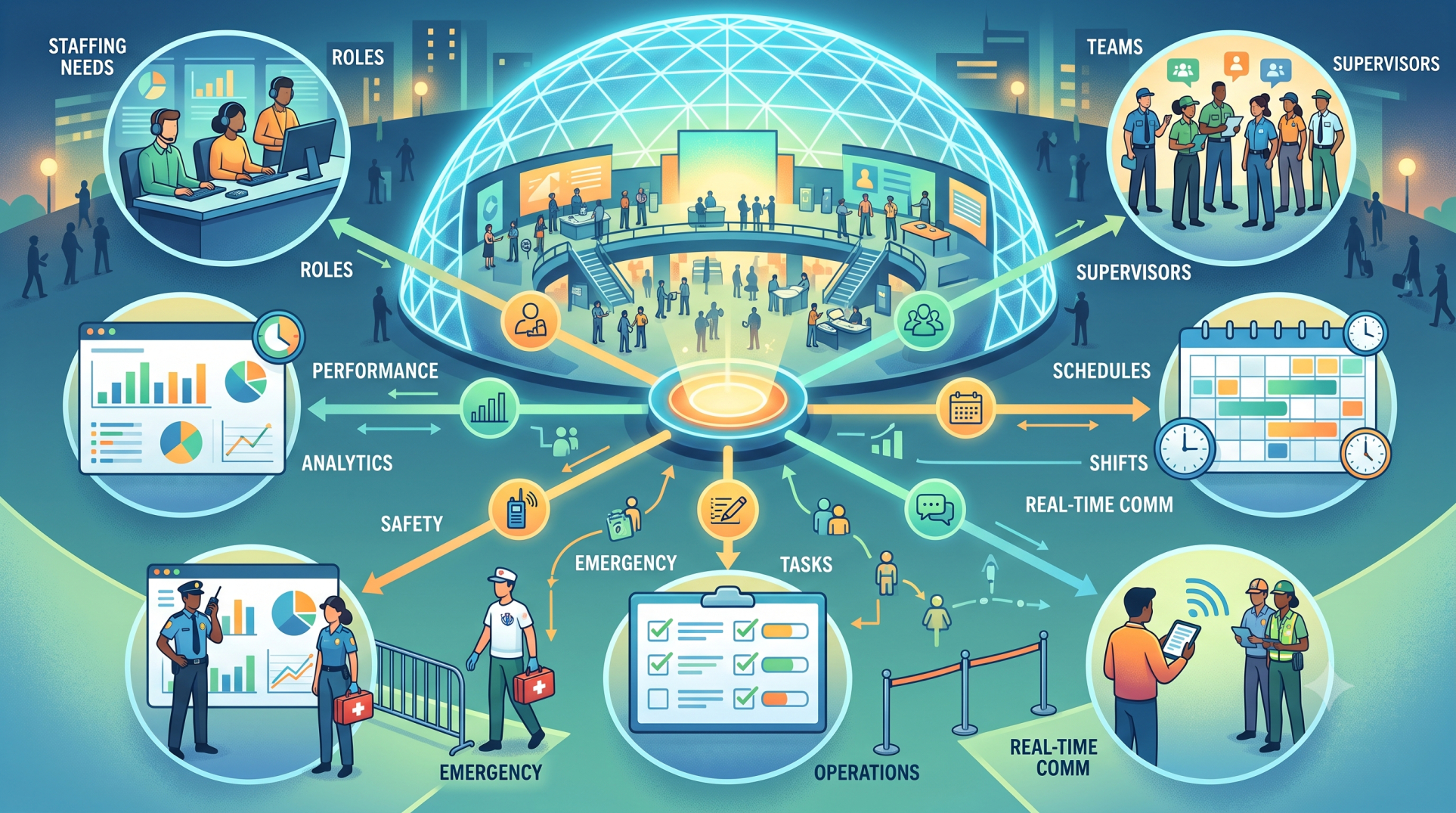
Step 3: Managing Workforce Capacity 👨💼
• Schedule staff according to event timelines 📅
• Balance workloads across operational teams ⚖️
• Assign specialized personnel to critical functions 🎤
• Prepare backup staffing for unexpected demand 👥
• Monitor workforce availability throughout the event 📡
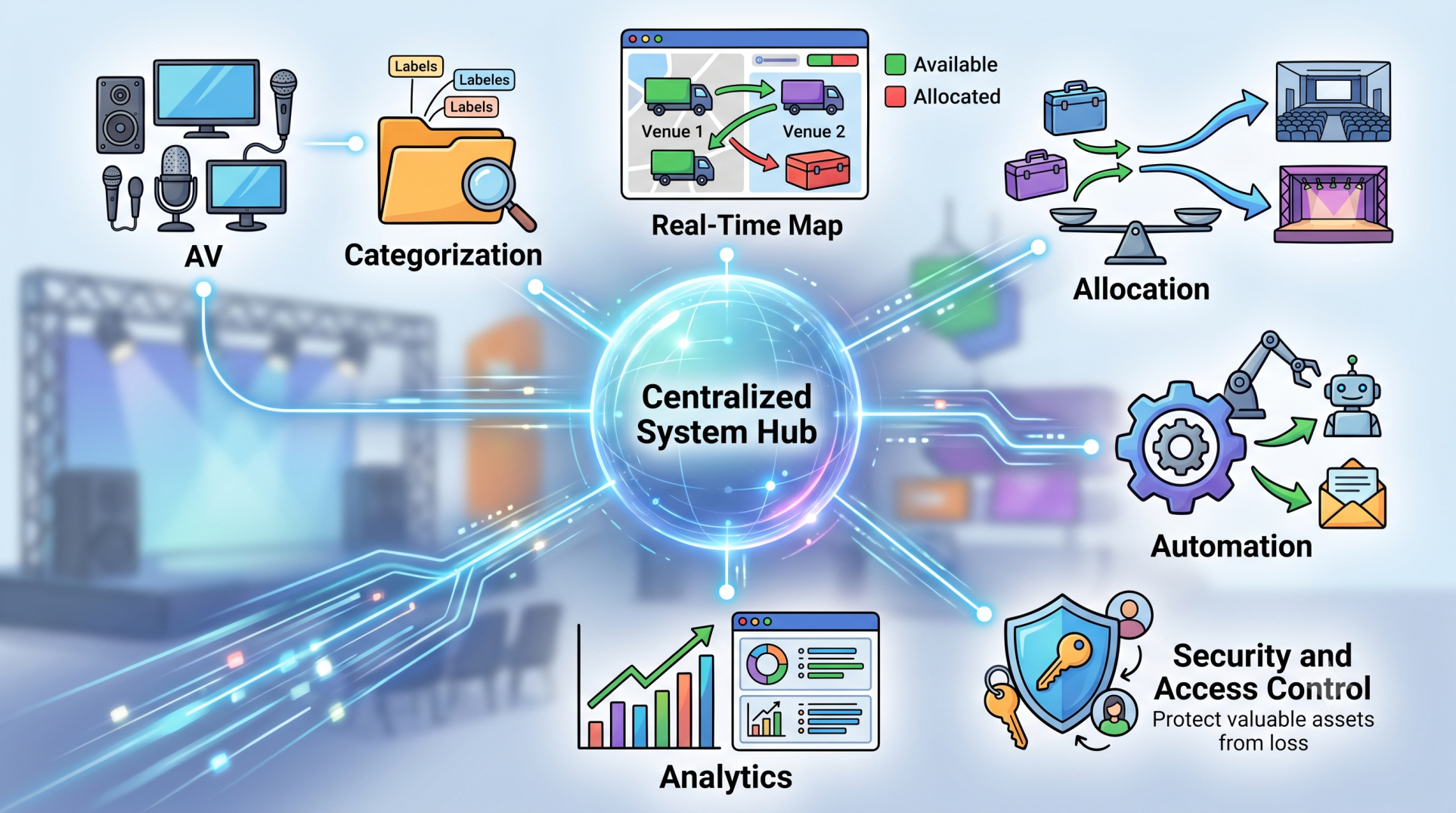
Step 4: Coordinating Equipment and Resources 📦
• Allocate audiovisual systems, furniture, and technical equipment 🎥
• Track resource availability across multiple venues 📍
• Prevent scheduling conflicts through centralized planning 🗂️
• Maintain backup equipment for critical operations 🔧
• Optimize resource utilization without unnecessary surplus 📈
Step 5: Forecasting Attendance and Demand 📈
• Analyze registration trends and historical participation data 📊
• Predict peak traffic periods throughout the event ⏰
• Estimate demand for sessions, catering, and services 🍽️
• Prepare for last-minute registrations and walk-ins 🎟️
• Continuously refine forecasts as new data becomes available 🔄
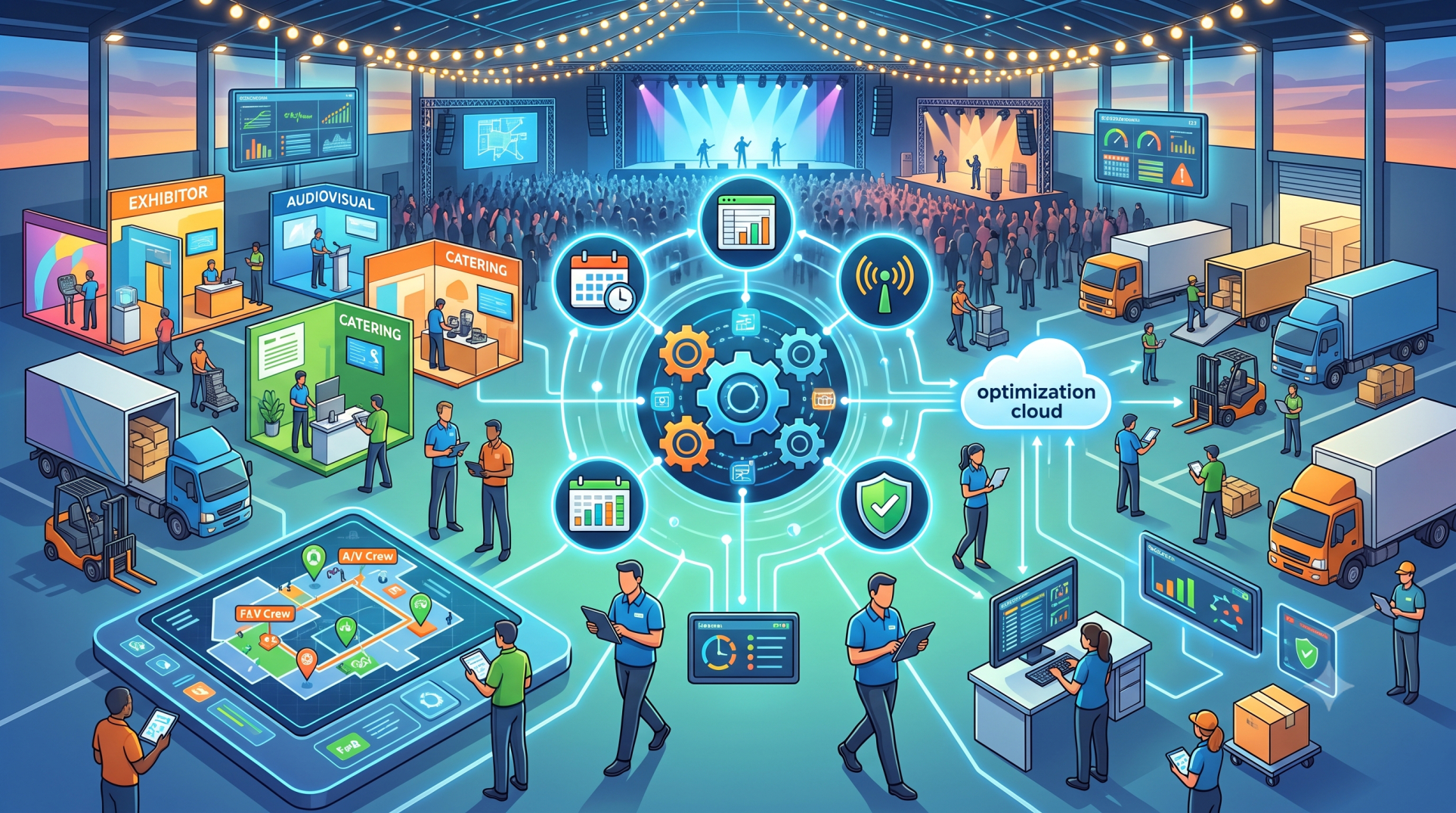
Step 6: Optimizing Operational Workflows ⚙️
• Coordinate registration, check-in, and attendee movement 🚶
• Streamline vendor and exhibitor operations 🏢
• Synchronize schedules across event teams 📡
• Reduce operational bottlenecks through proactive planning 🚀
• Improve efficiency across the entire event lifecycle 📋
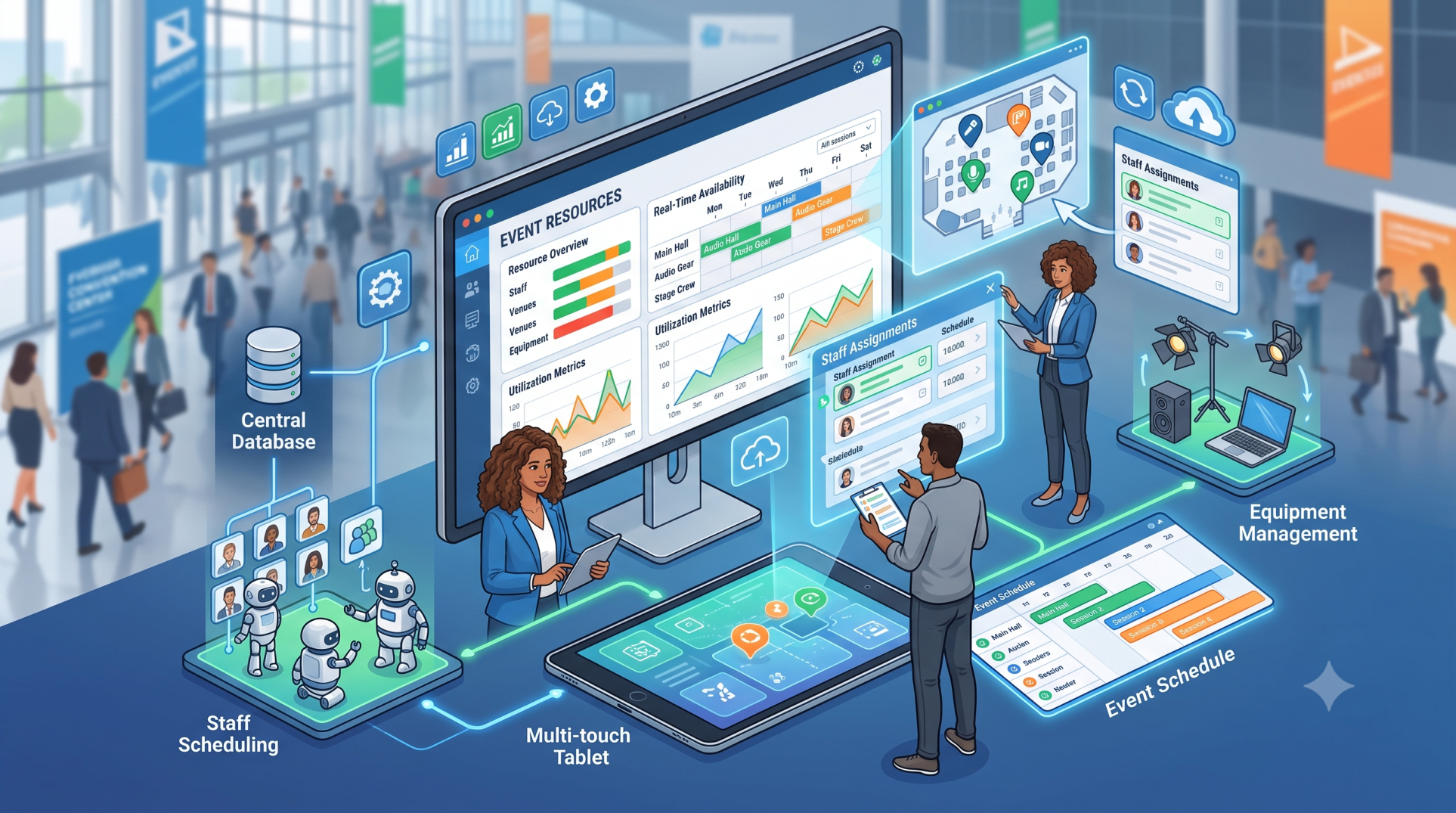
Step 7: Monitoring Capacity in Real Time 📊
• Track attendance levels across venues and sessions 👀
• Monitor resource utilization continuously 📡
• Identify congestion before it affects attendee experience 🚨
• Adjust staffing and operations based on live conditions 🔄
• Maintain visibility into overall event performance 🖥️
Step 8: Key Capacity Planning Priorities ⭐
• Accurate forecasting for resources and attendance 📈
• Balanced allocation of venues, staff, and equipment ⚖️
• Real-time monitoring of operational capacity 📊
• Flexible planning that adapts to changing conditions 🔄
Step 9: Managing Unexpected Demand 🚨
• Prepare contingency plans for attendance spikes 📋
• Reallocate resources when operational priorities shift 🔁
• Open additional spaces when required 🏢
• Respond quickly to scheduling or logistical disruptions ⚡
• Maintain service quality during peak activity 💪
Step 10: Building a Scalable Event Capacity Strategy 🌍
• Develop frameworks that support recurring and large-scale events 🏗️
• Integrate planning tools with event management platforms 🔗
• Use analytics to improve future capacity planning 📊
• Continuously refine operational strategies through performance reviews 📈
• Build adaptable processes that grow with organizational needs 🚀
Conclusion
Capacity Planning Frameworks provide the structure needed to manage event operations efficiently while maintaining exceptional attendee experiences. By forecasting demand, coordinating resources, monitoring capacity, and preparing for operational variability, organizations can deliver events with greater confidence and consistency. A scalable capacity planning strategy ensures every event is equipped to meet current demands while remaining flexible enough to support future growth.
See more blogs
You can all the articles below





































Ready to Find Your Perfect Solution?
Let us show you how Event Software can transform your events

AI-powered event management platform that helps you create stunning events .