
Event Performance Measurement Beyond Traditional KPIs
Event Performance Measurement Beyond Traditional KPIs
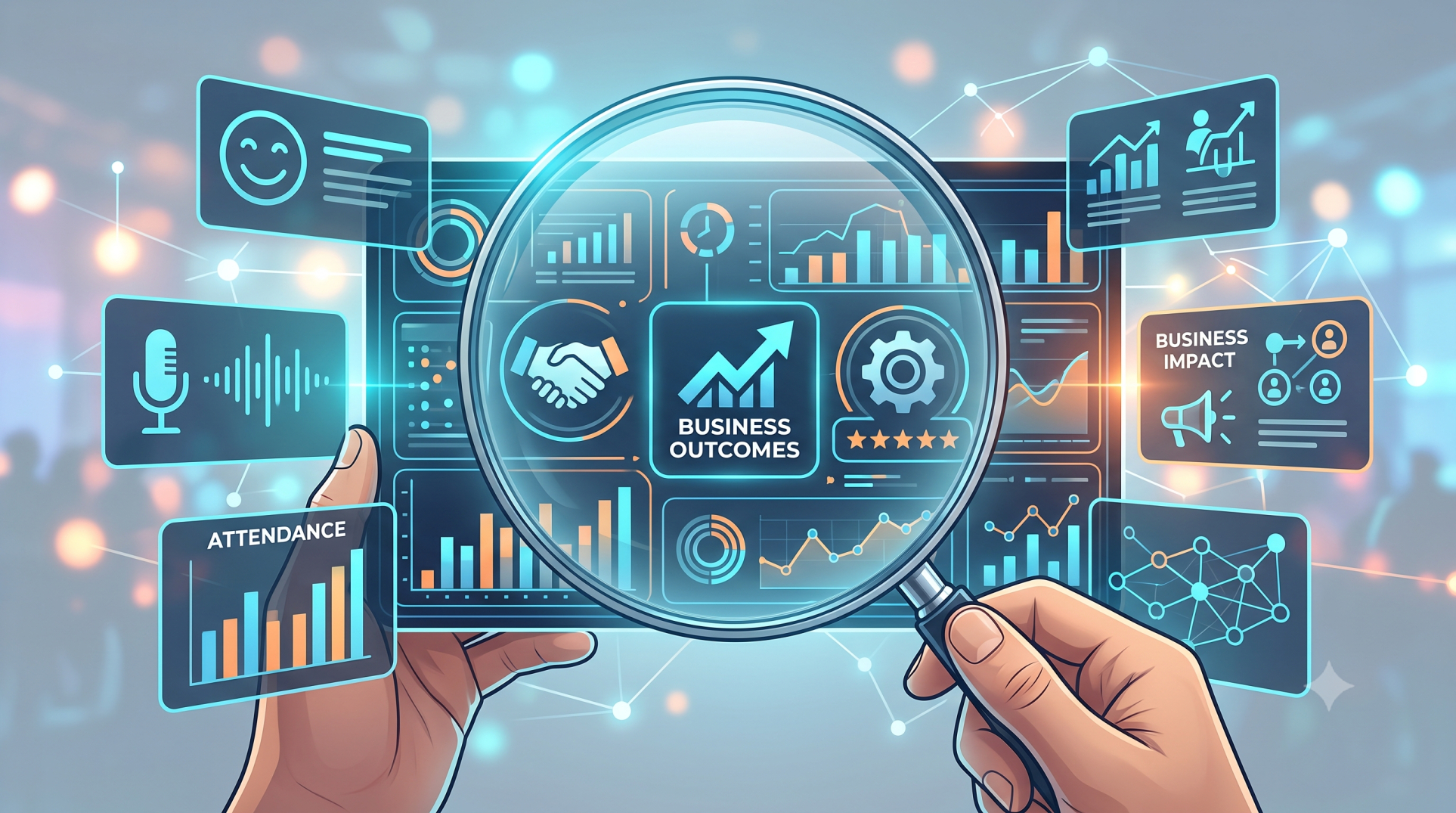
As enterprise events become more complex and experience-driven, traditional Key Performance Indicators (KPIs) such as attendance numbers and ticket sales no longer provide a complete picture of success. Modern event performance measurement combines operational efficiency, attendee engagement, business outcomes, and data-driven insights to evaluate the true impact of an event. By expanding beyond conventional metrics, organizations can continuously improve event planning, execution, and long-term value.
Step 1: Expanding the Definition of Event Success 🎯
• Measure outcomes beyond attendance and registration numbers 📊
• Evaluate both operational performance and attendee experience 🤝
• Align event objectives with broader business goals 📈
• Consider long-term value generated from the event 🌟
• Build a comprehensive framework for performance evaluation 📋
Step 2: Measuring Attendee Engagement 👥
• Track participation across sessions and activities 🎤
• Analyze interactions within event applications and digital platforms 📱
• Evaluate networking opportunities and attendee connections 🤝
• Measure engagement with exhibitors and sponsors 🏢
• Identify engagement trends throughout the event lifecycle 📊
Step 3: Evaluating Operational Efficiency ⚙️
• Monitor registration and check-in performance 🎟️
• Assess venue utilization and resource allocation 🏛️
• Track staff productivity and workflow efficiency 👨💼
• Identify operational delays and bottlenecks 🚦
• Improve event execution through continuous optimization 📈
Step 4: Analyzing Audience Experience 🌟
• Collect attendee feedback through surveys and digital channels 📝
• Measure overall satisfaction with event services 😊
• Evaluate session quality and speaker effectiveness 🎙️
• Assess accessibility and convenience across touchpoints 🚪
• Identify opportunities to improve future attendee experiences 💡
Step 5: Measuring Business Impact 💼
• Evaluate lead generation and business development opportunities 📈
• Measure sponsor visibility and engagement outcomes 🤝
• Assess customer relationship growth after the event 🌐
• Monitor partnership and networking opportunities 🔗
• Analyze event contributions to organizational objectives 🎯
Step 6: Leveraging Real-Time Analytics 📡
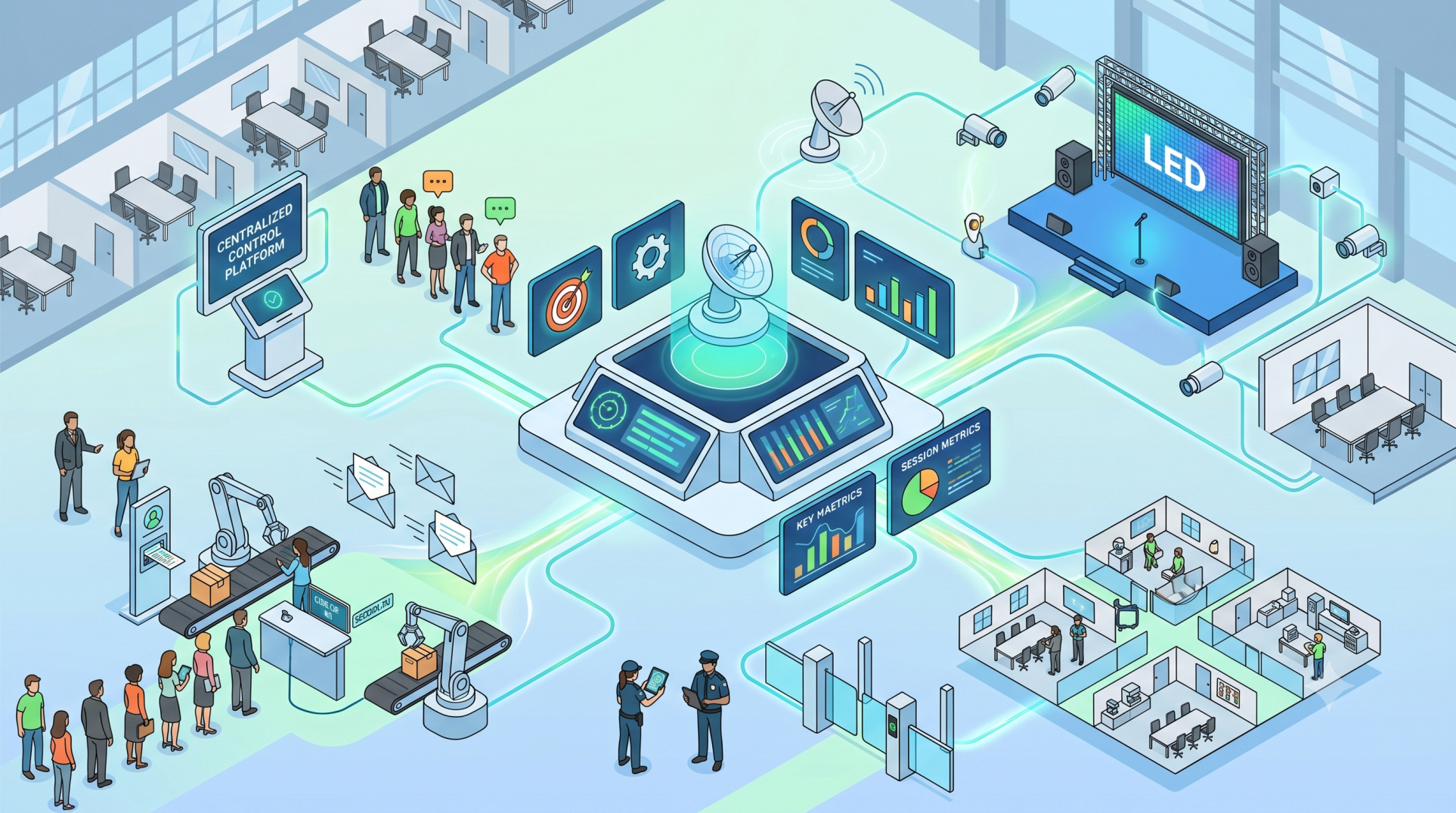
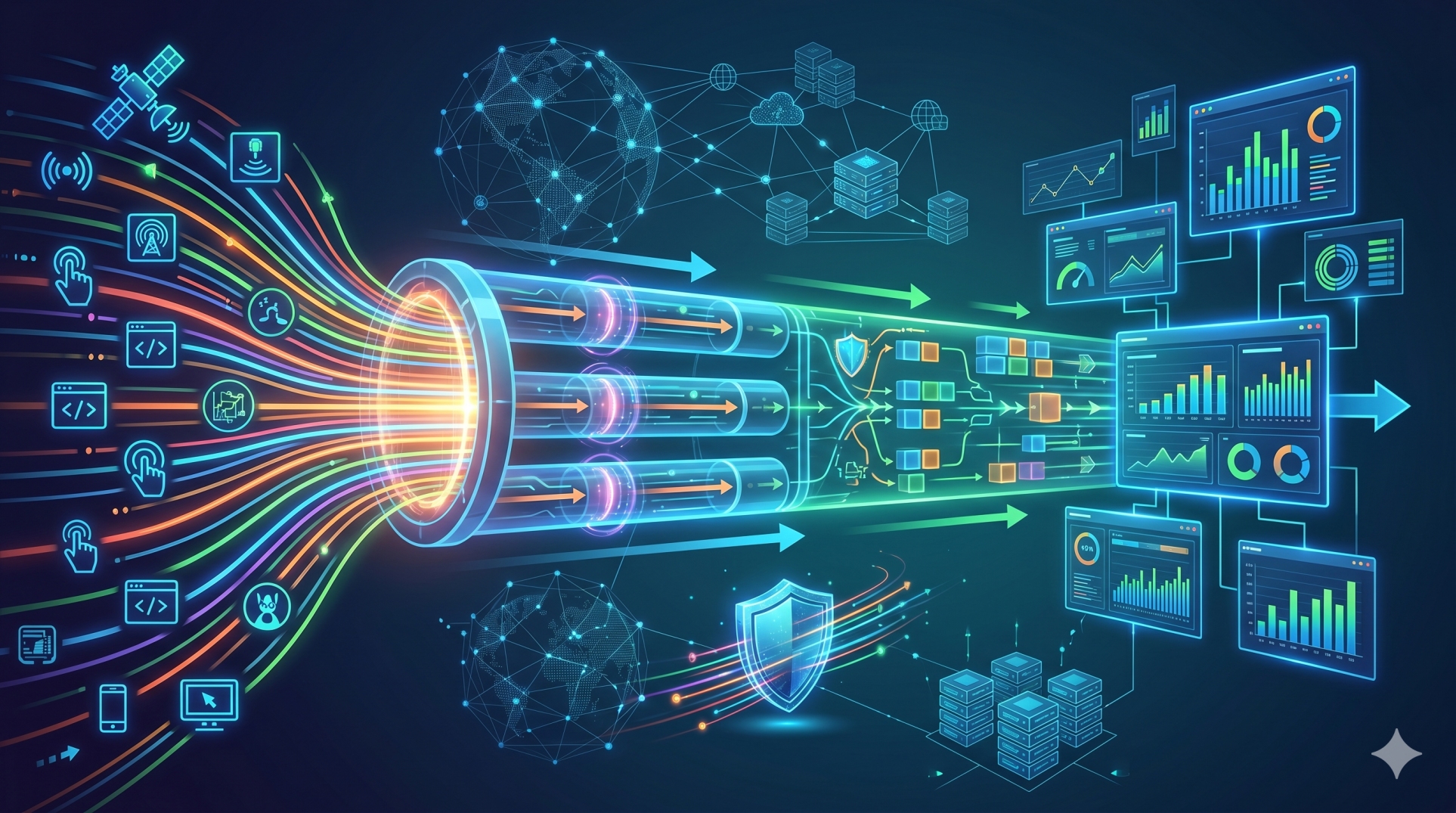
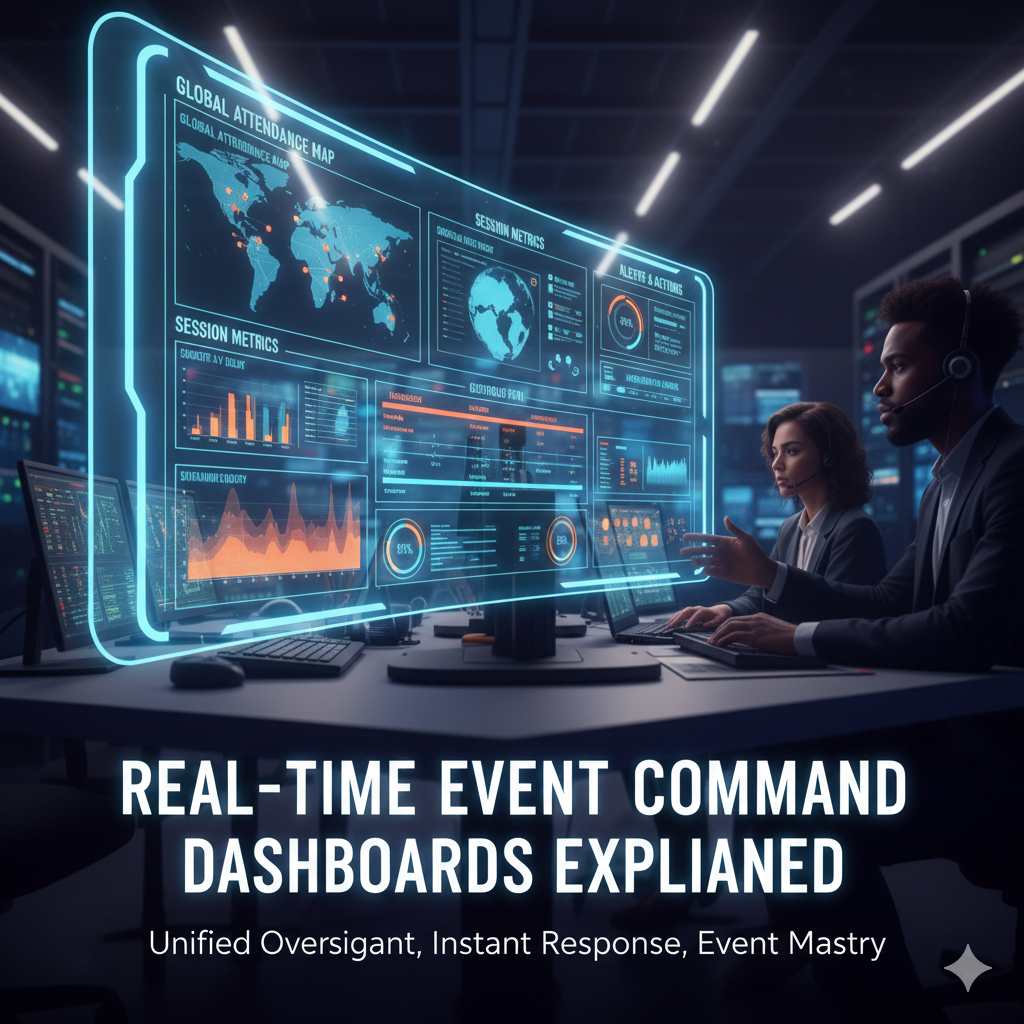
• Monitor live event performance through centralized dashboards 📊
• Identify emerging trends during event execution 👀
• Respond quickly to operational or attendee concerns ⚡
• Track audience behavior as activities unfold 📍
• Support data-driven decision-making throughout the event 🔍
Step 7: Measuring Digital Engagement 🌐
• Evaluate participation in virtual or hybrid event experiences 💻
• Track content views, downloads, and digital interactions 📥
• Measure engagement across mobile applications and event portals 📱
• Analyze social media participation and audience reach 📢
• Monitor post-event content consumption 📺
Step 8: Key Performance Priorities ⭐
• Holistic measurement of operational and business outcomes 📊
• Continuous visibility into attendee engagement 👥
• Actionable insights for future event planning 💡
• Scalable analytics that support enterprise events 🚀
Step 9: Turning Insights into Action 🔄
• Identify improvement opportunities using event data 📈
• Refine planning strategies based on measurable outcomes 📋
• Optimize resource allocation for future events ⚙️
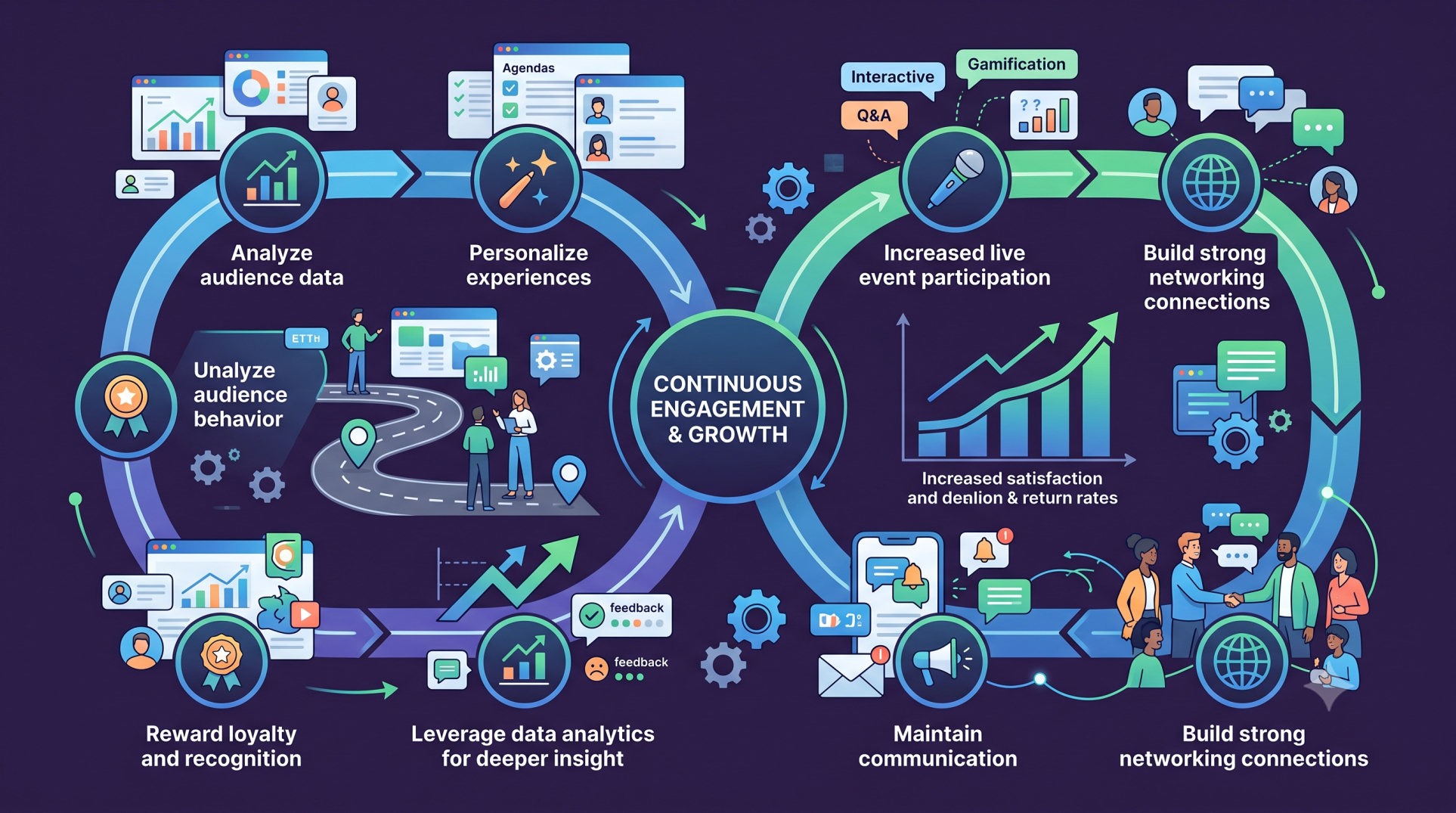
• Strengthen attendee engagement through continuous learning 🤝
• Enhance sponsor and stakeholder value with data-driven decisions 📊
Step 10: Building a Continuous Performance Improvement Framework 🚀
• Establish standardized performance measurement practices 📚
• Integrate analytics across all event technologies 🔗
• Benchmark performance across multiple events 📊
• Adapt measurement strategies as event objectives evolve 📈
• Foster a culture of continuous improvement and innovation 🌍
Conclusion
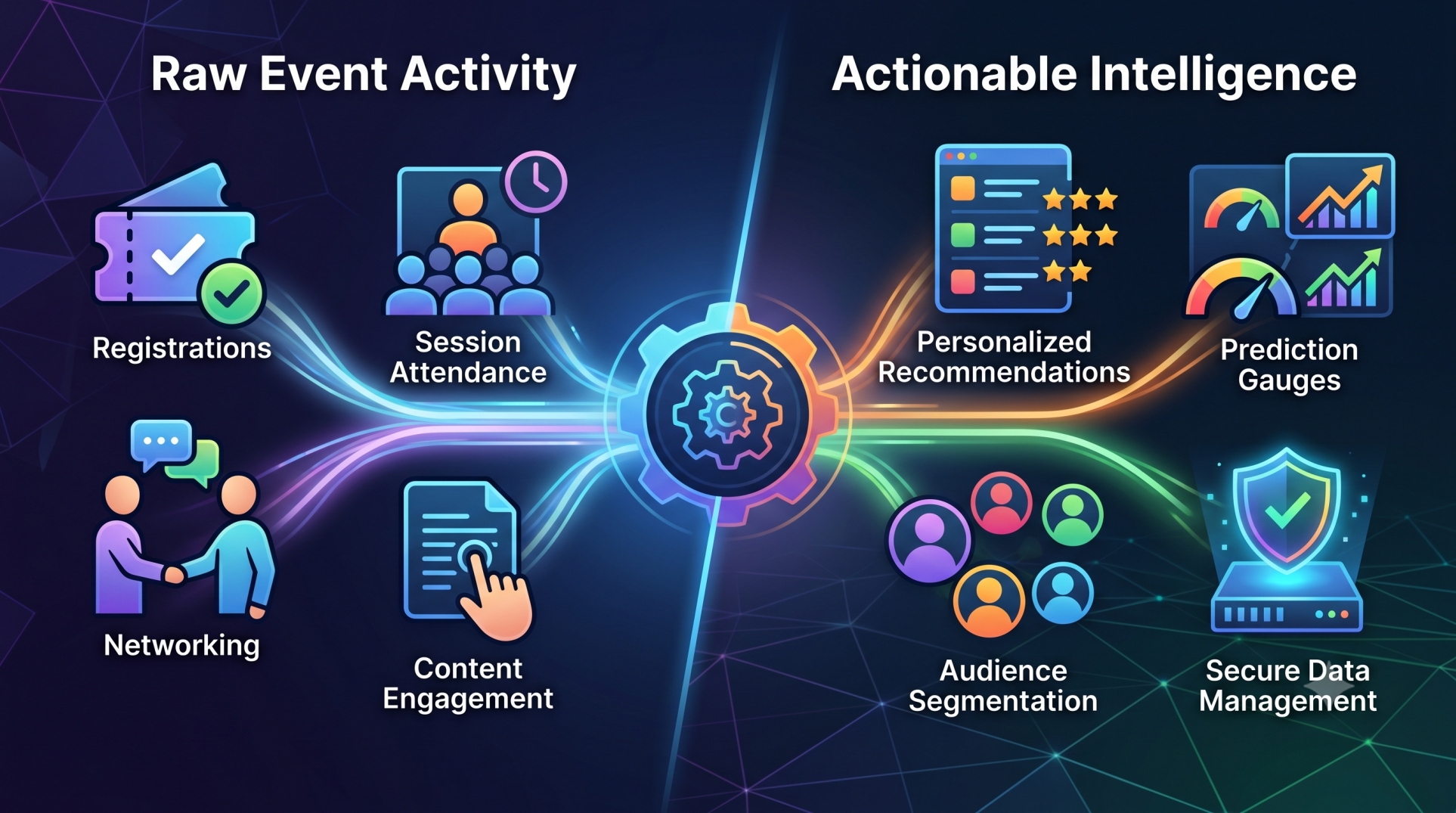
Measuring event performance beyond traditional KPIs enables organizations to understand the full impact of their events on attendees, operations, and business outcomes. By combining engagement metrics, operational analytics, business performance, and real-time insights, organizations can make informed decisions that improve future events and maximize long-term value. A modern performance measurement framework transforms event data into actionable intelligence, supporting continuous improvement and sustained event success.
See more blogs
You can all the articles below


























Ready to Find Your Perfect Solution?
Let us show you how Event Software can transform your events

AI-powered event management platform that helps you create stunning events .