Real-Time Data Exchange Between Event Platforms and CRM
Real-Time Data Exchange Between Event Platforms and CRM
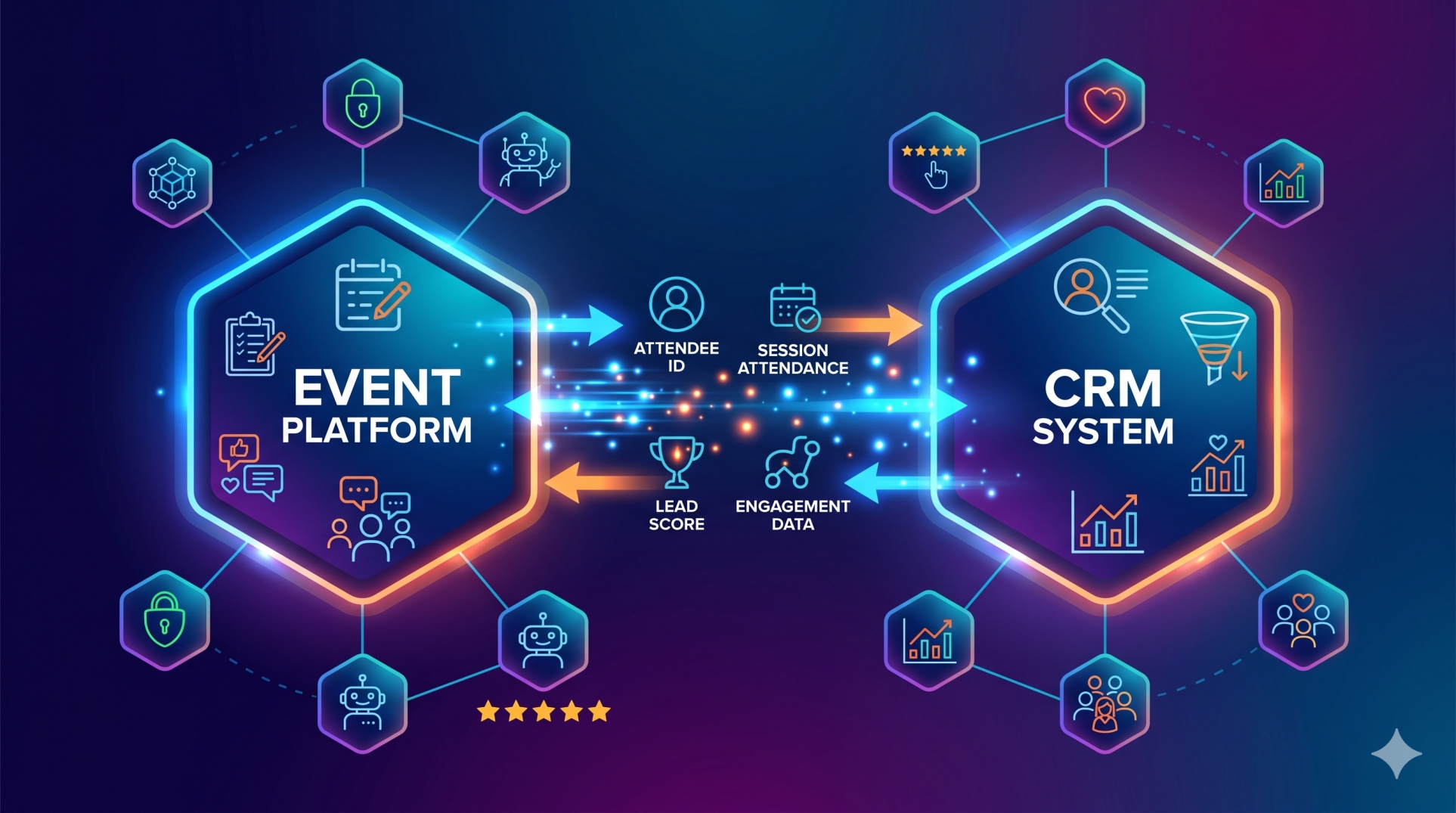
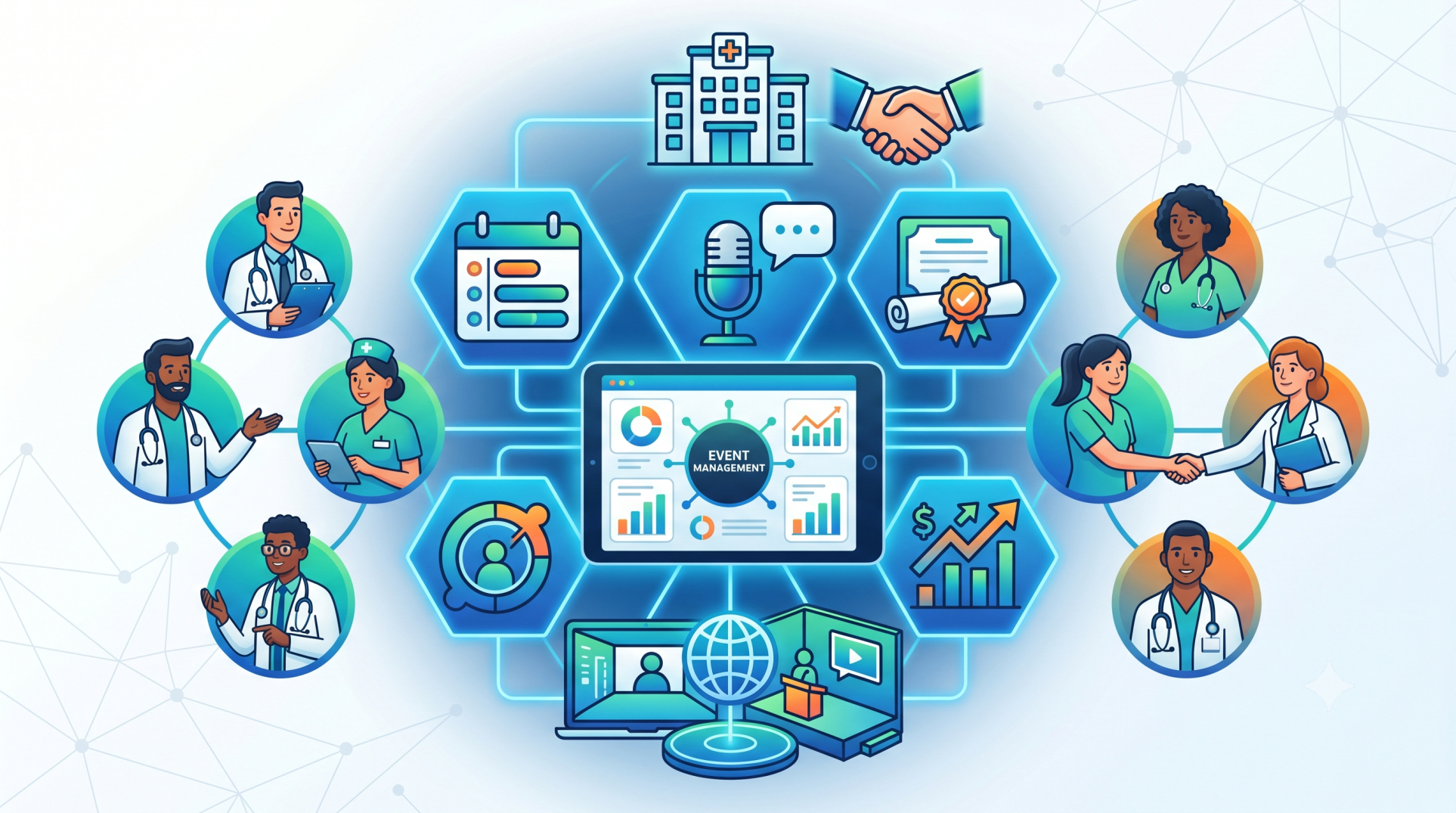
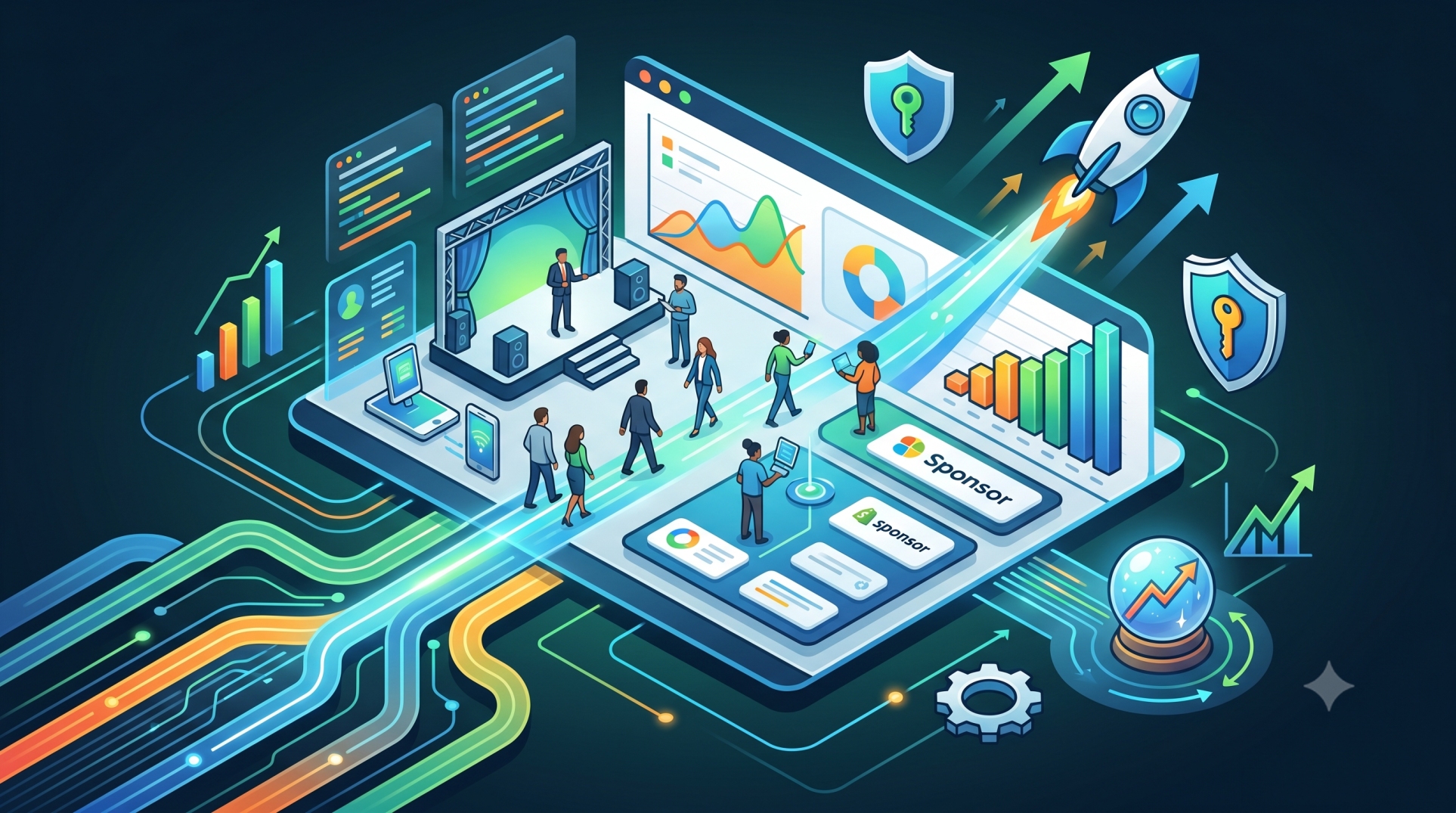
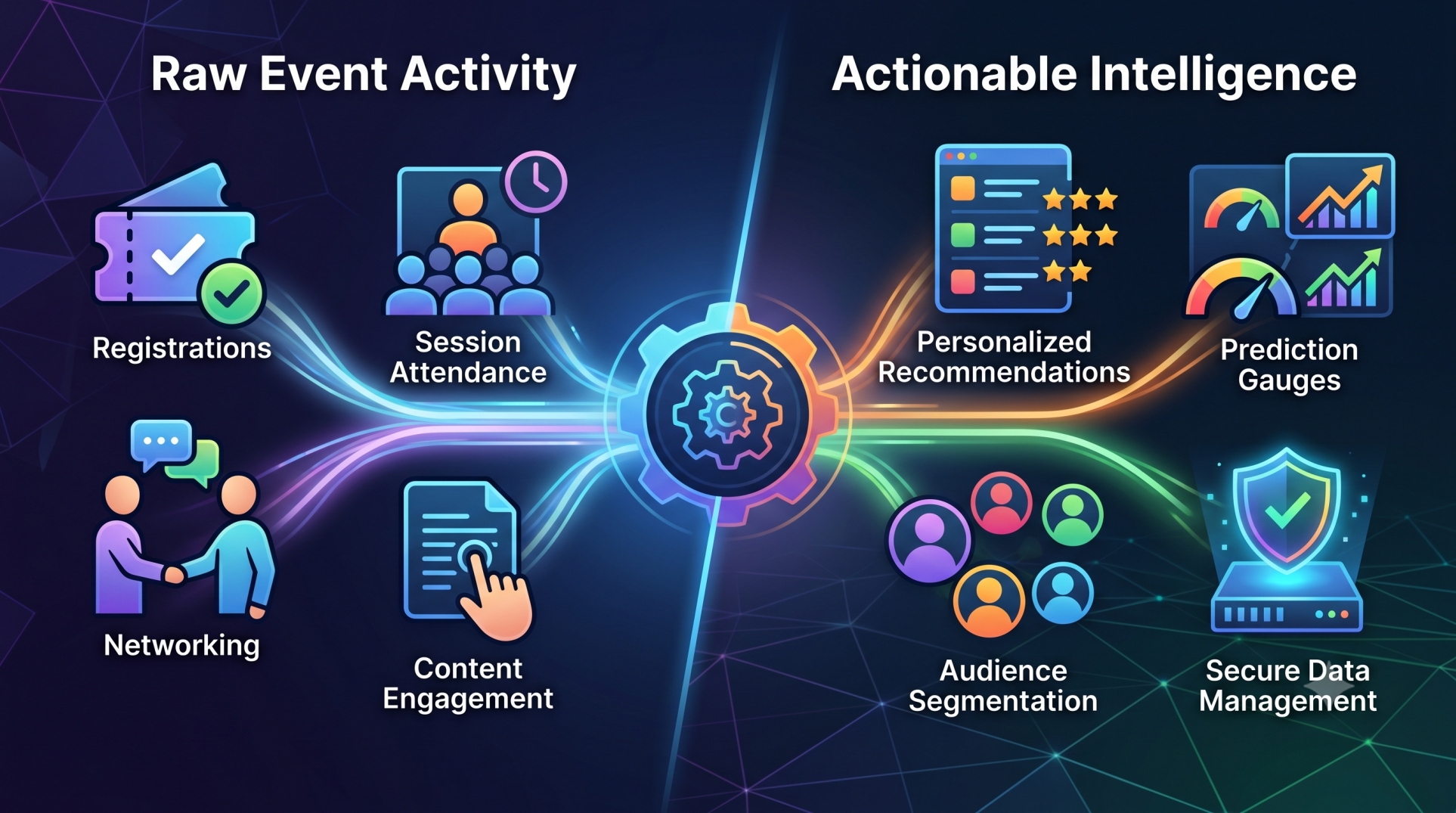
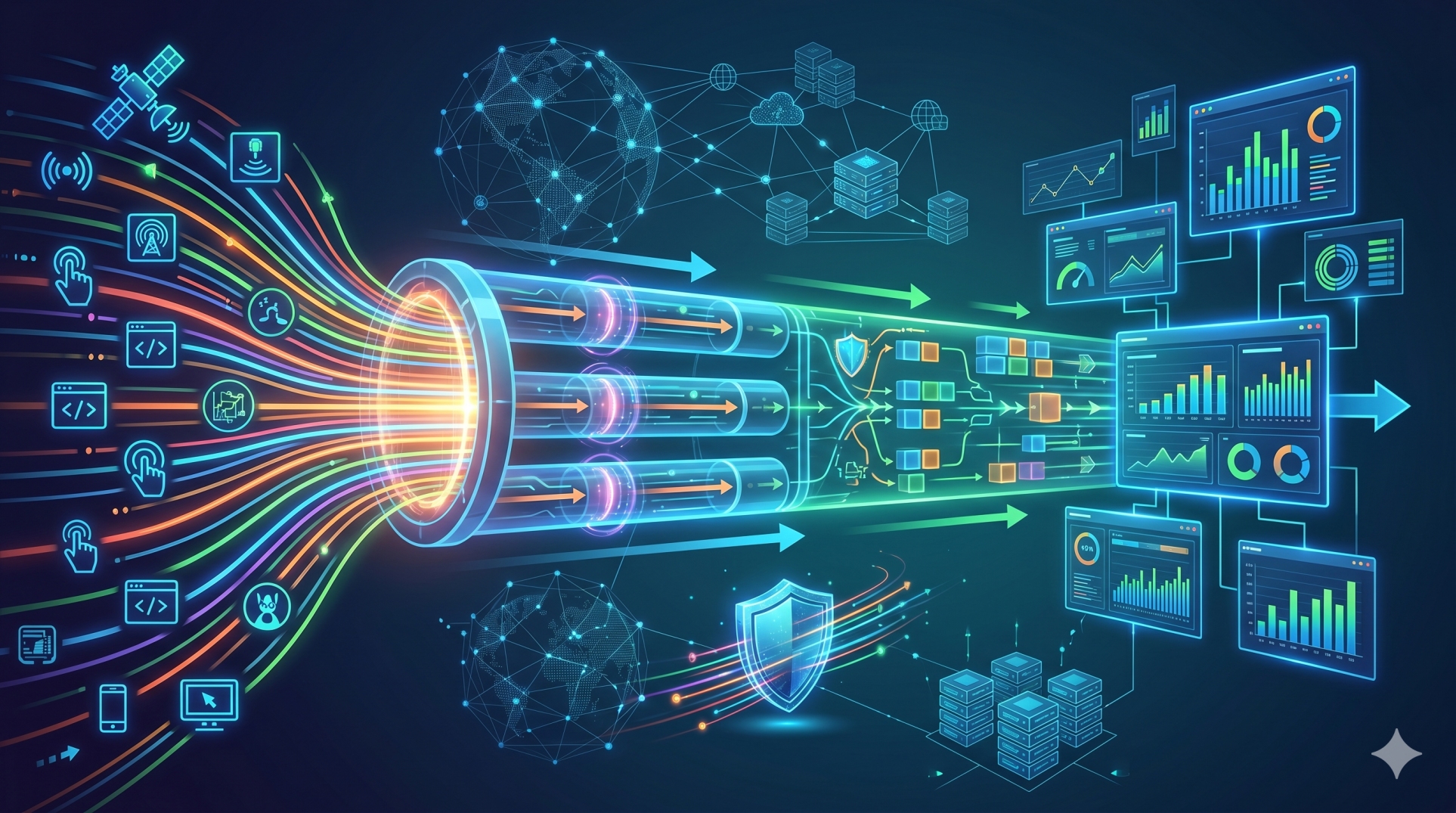
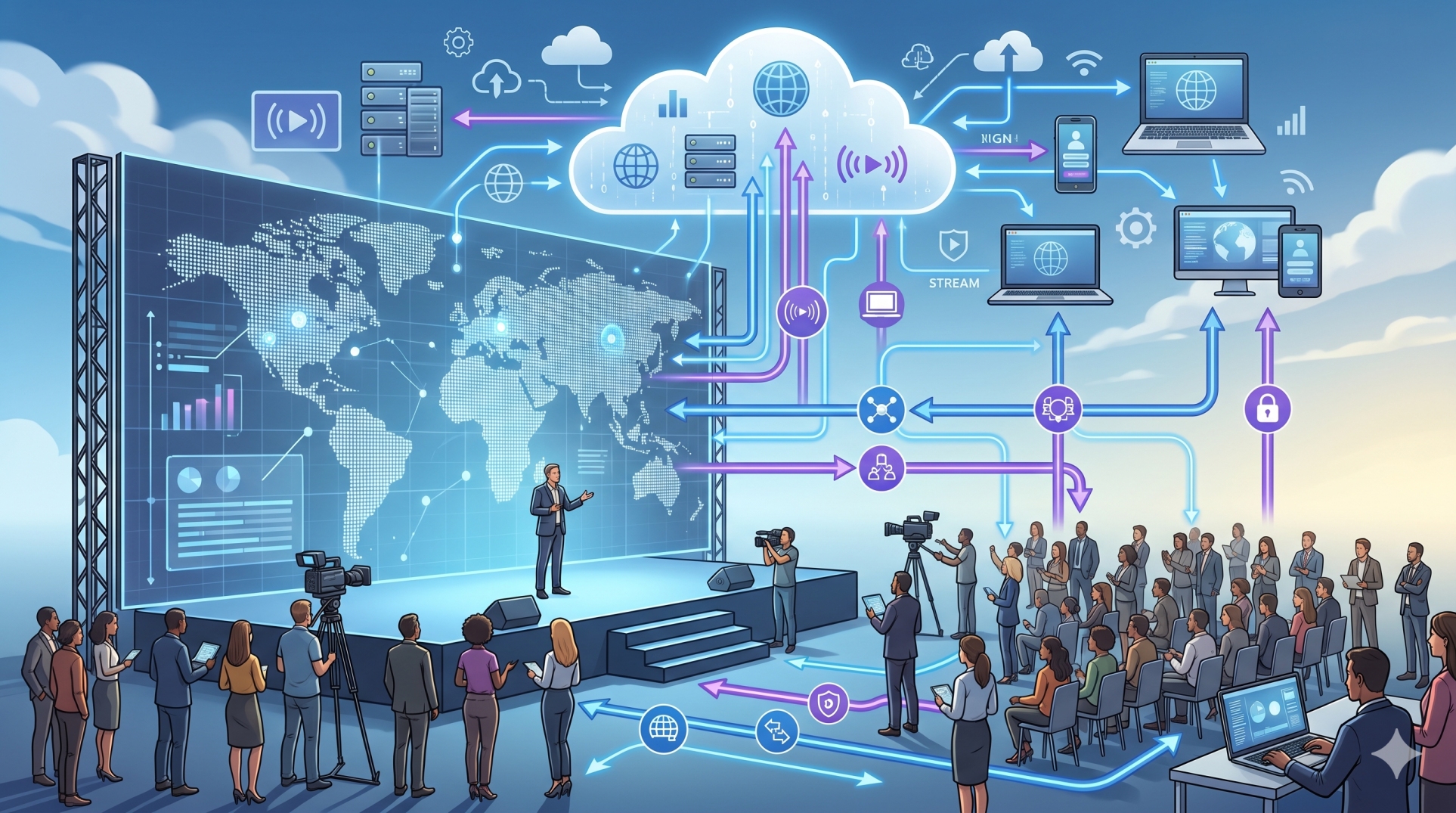
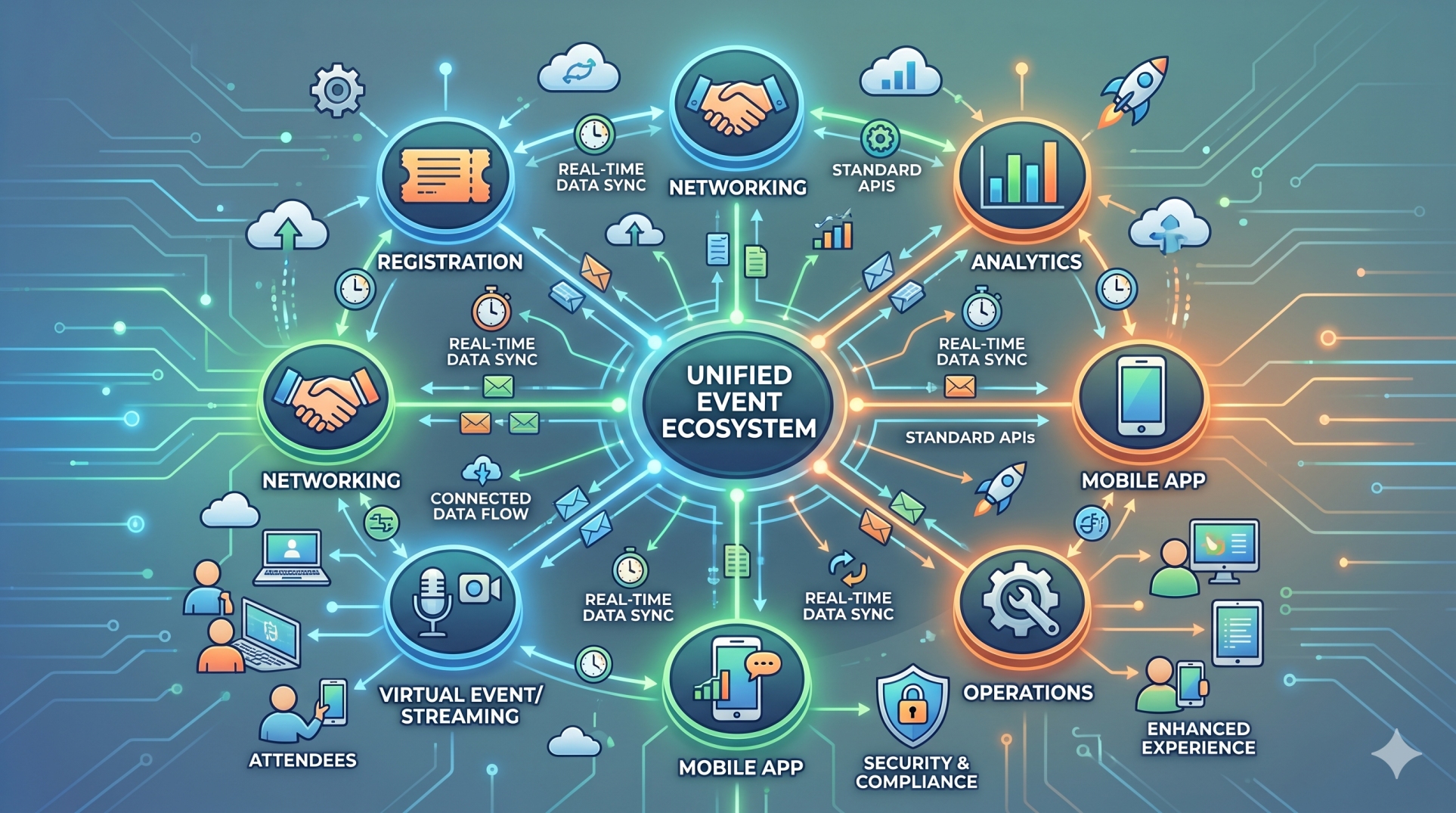
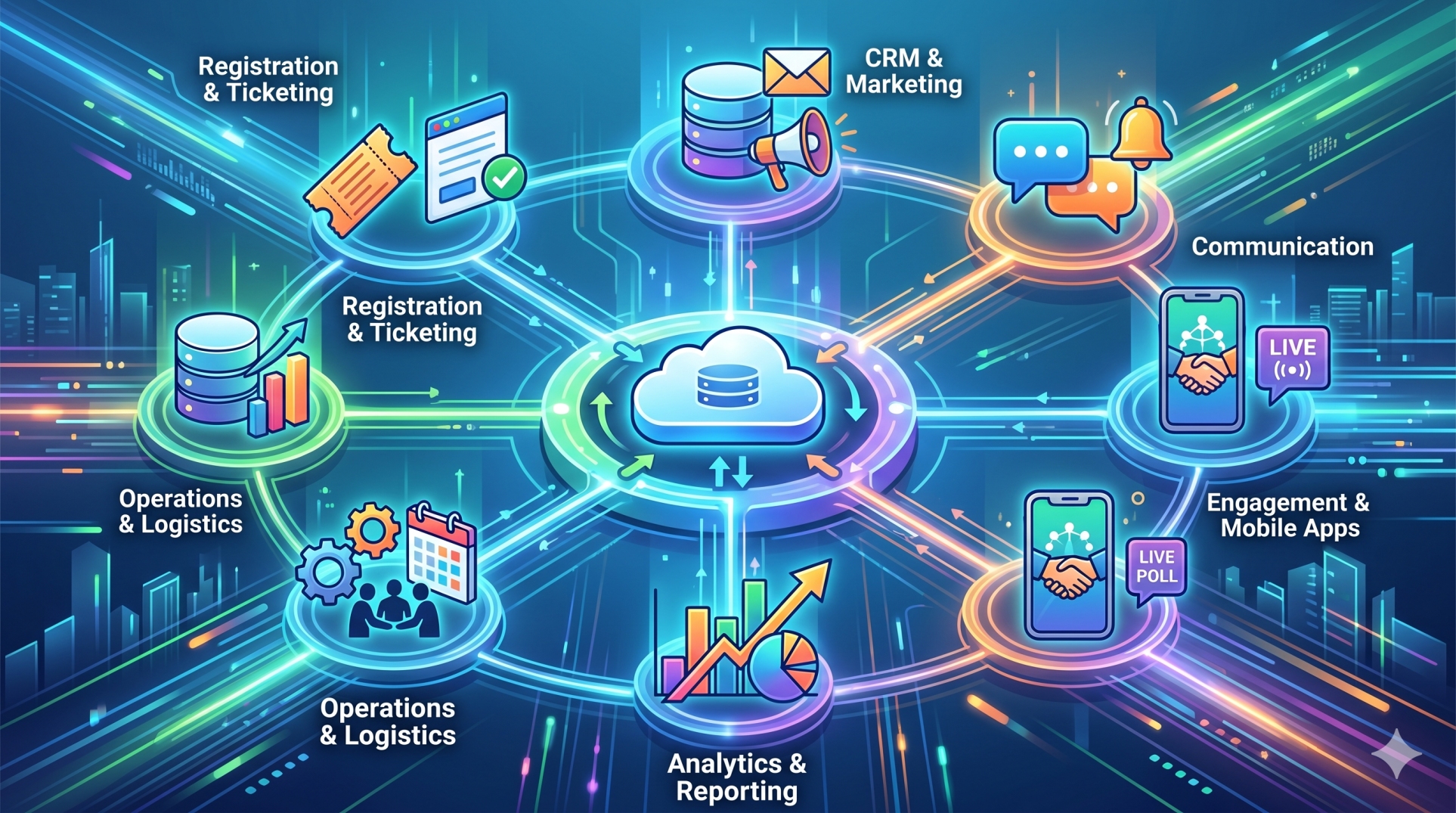
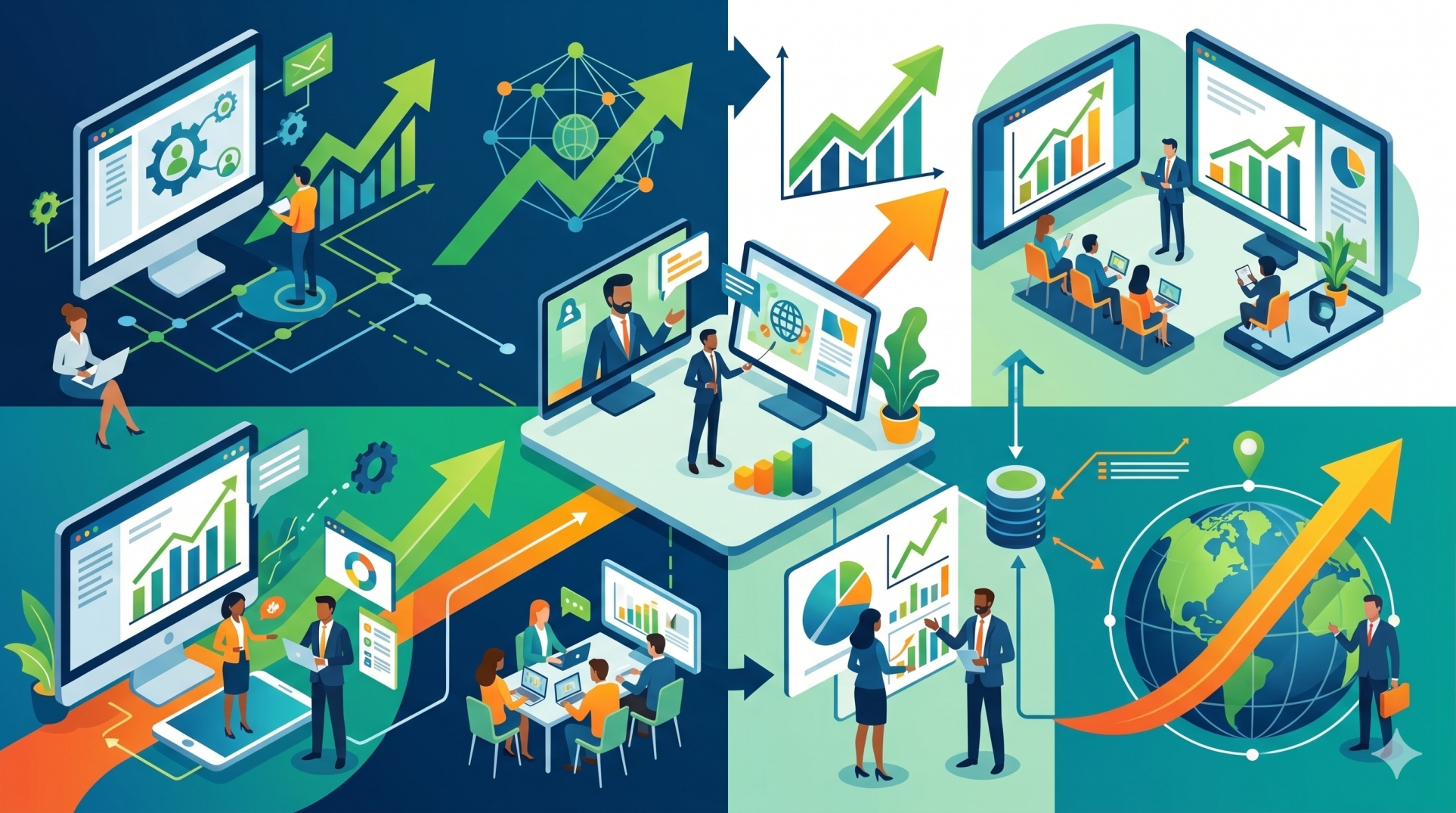
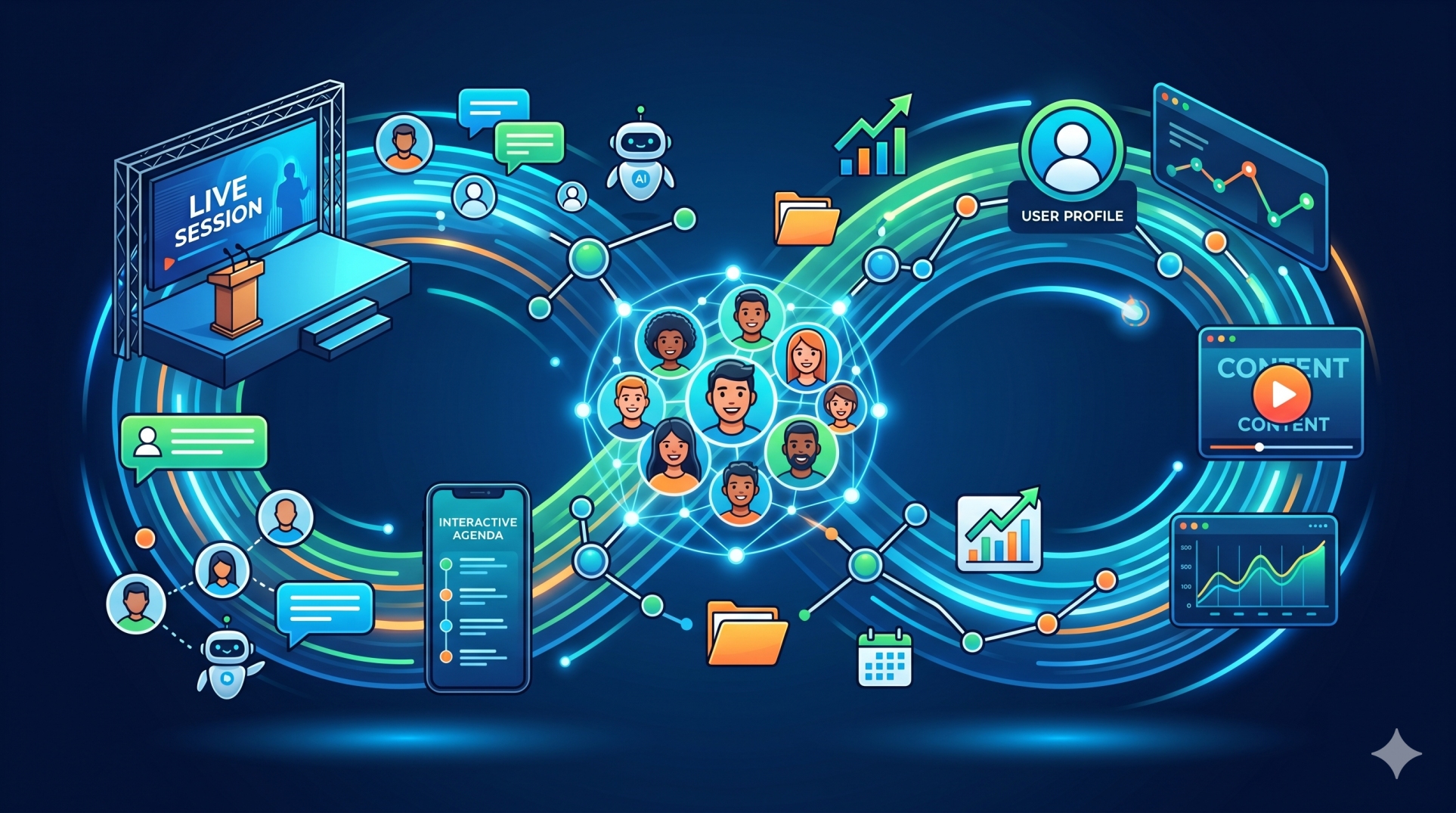
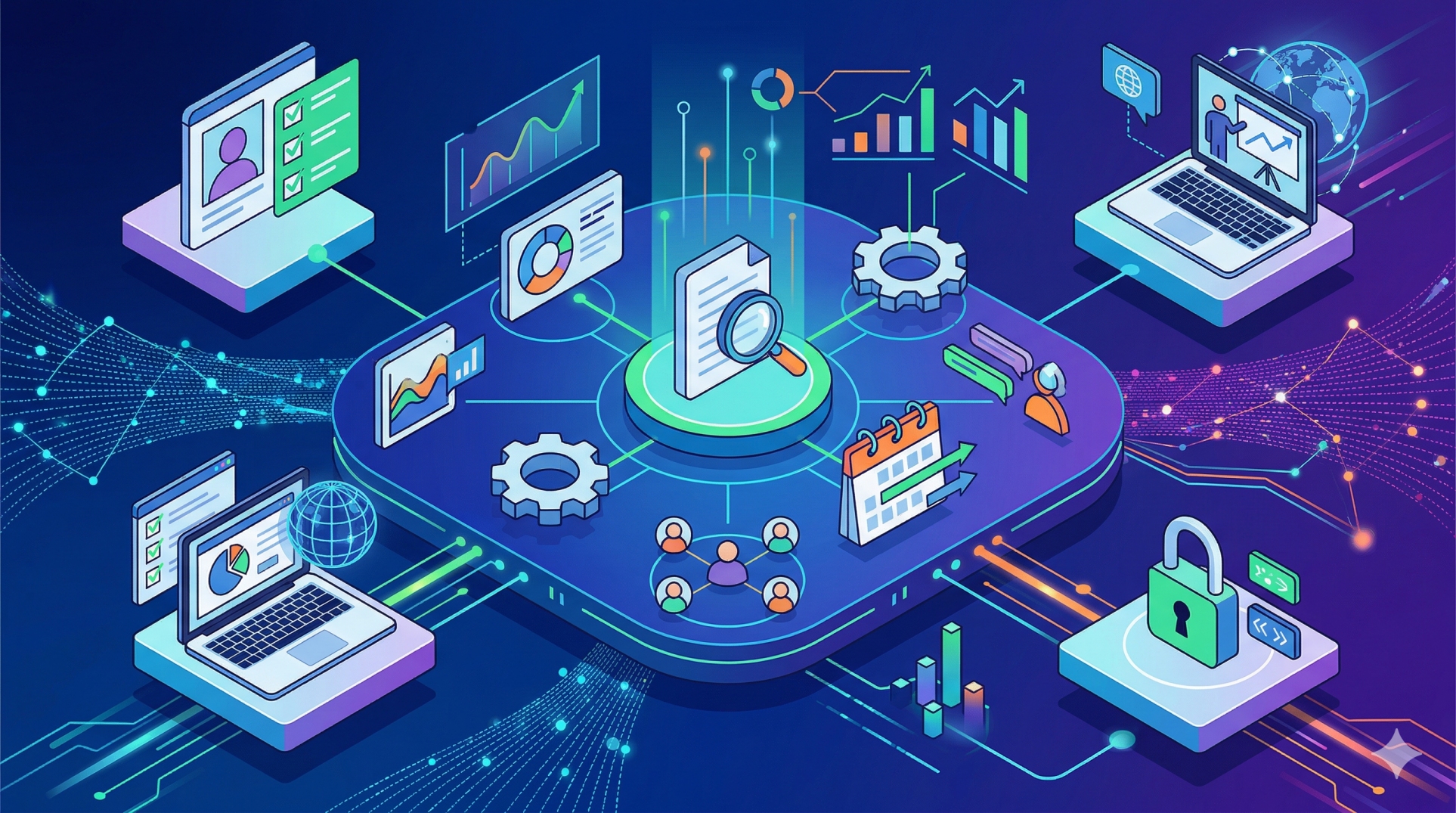
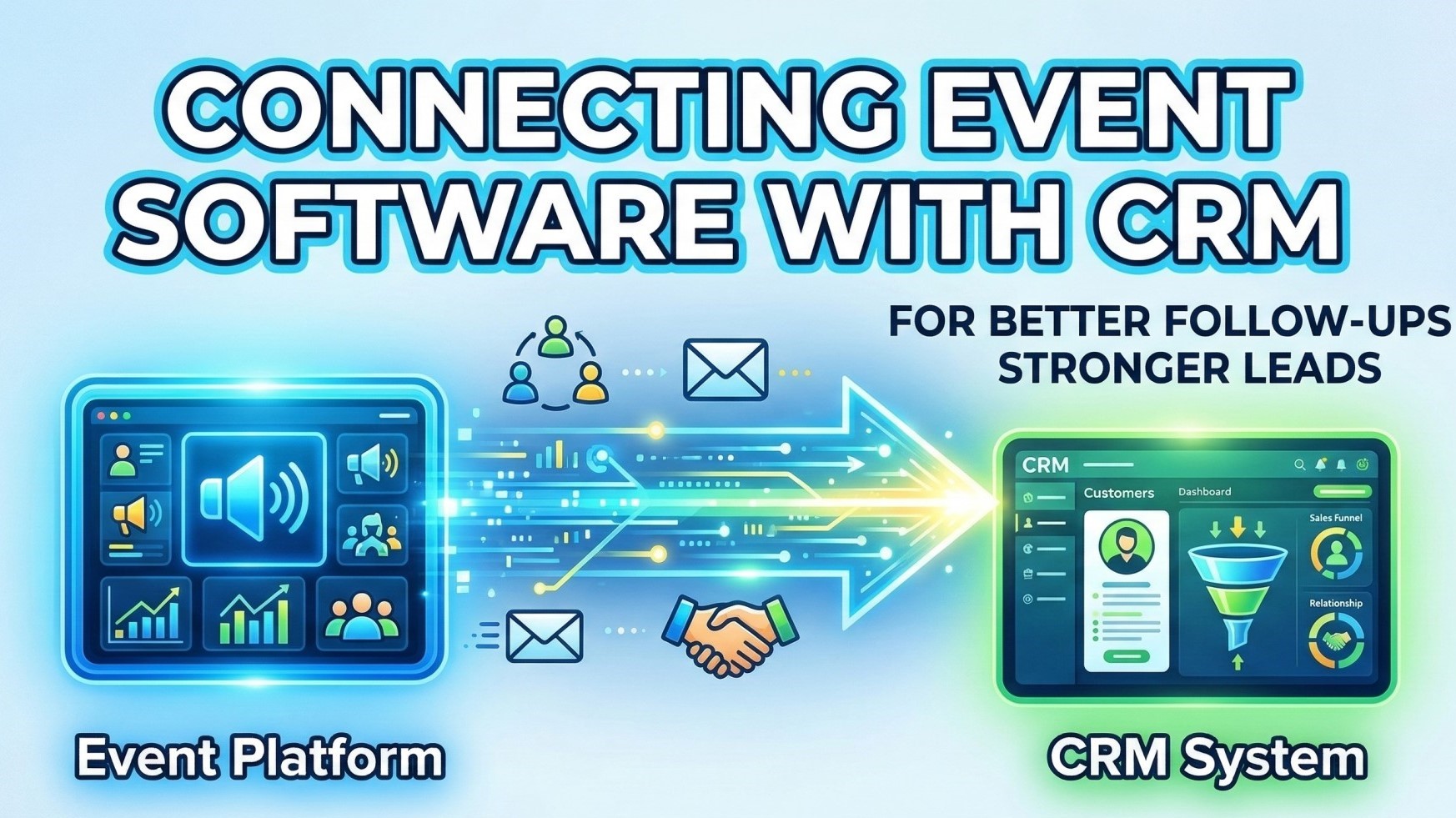
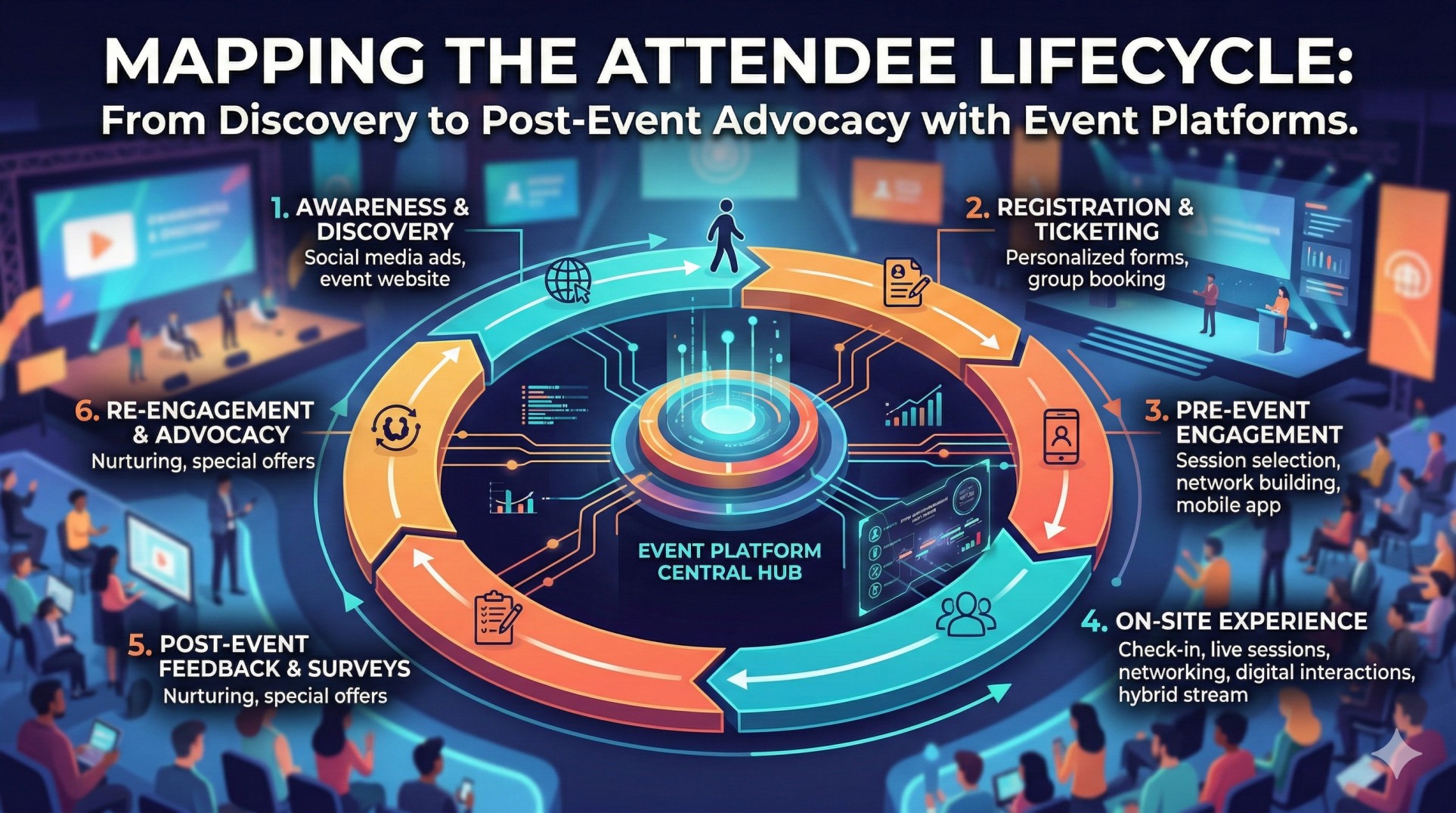
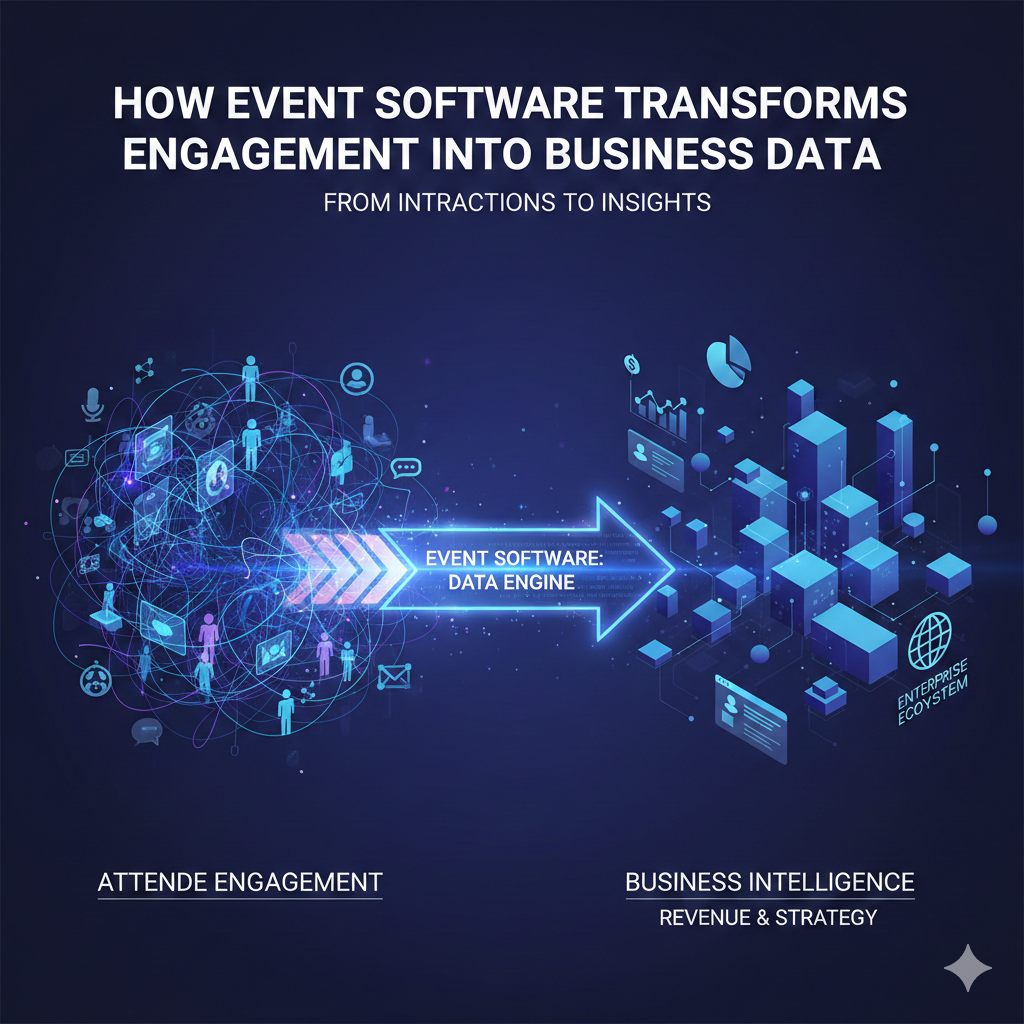
As events become increasingly data-driven, seamless communication between event platforms and Customer Relationship Management (CRM) systems has become essential. Real-time data exchange allows organizations to capture attendee interactions instantly, improve engagement strategies, and maintain accurate customer records across systems. By integrating event technologies with CRM platforms, businesses can create connected experiences that enhance operational efficiency and strengthen customer relationships.
Step 1: Understanding the Role of Event Platforms and CRM 🔄
• Event platforms manage registrations, engagement, and attendee experiences 🎟️
• CRM systems store customer data, interactions, and relationship history 📂
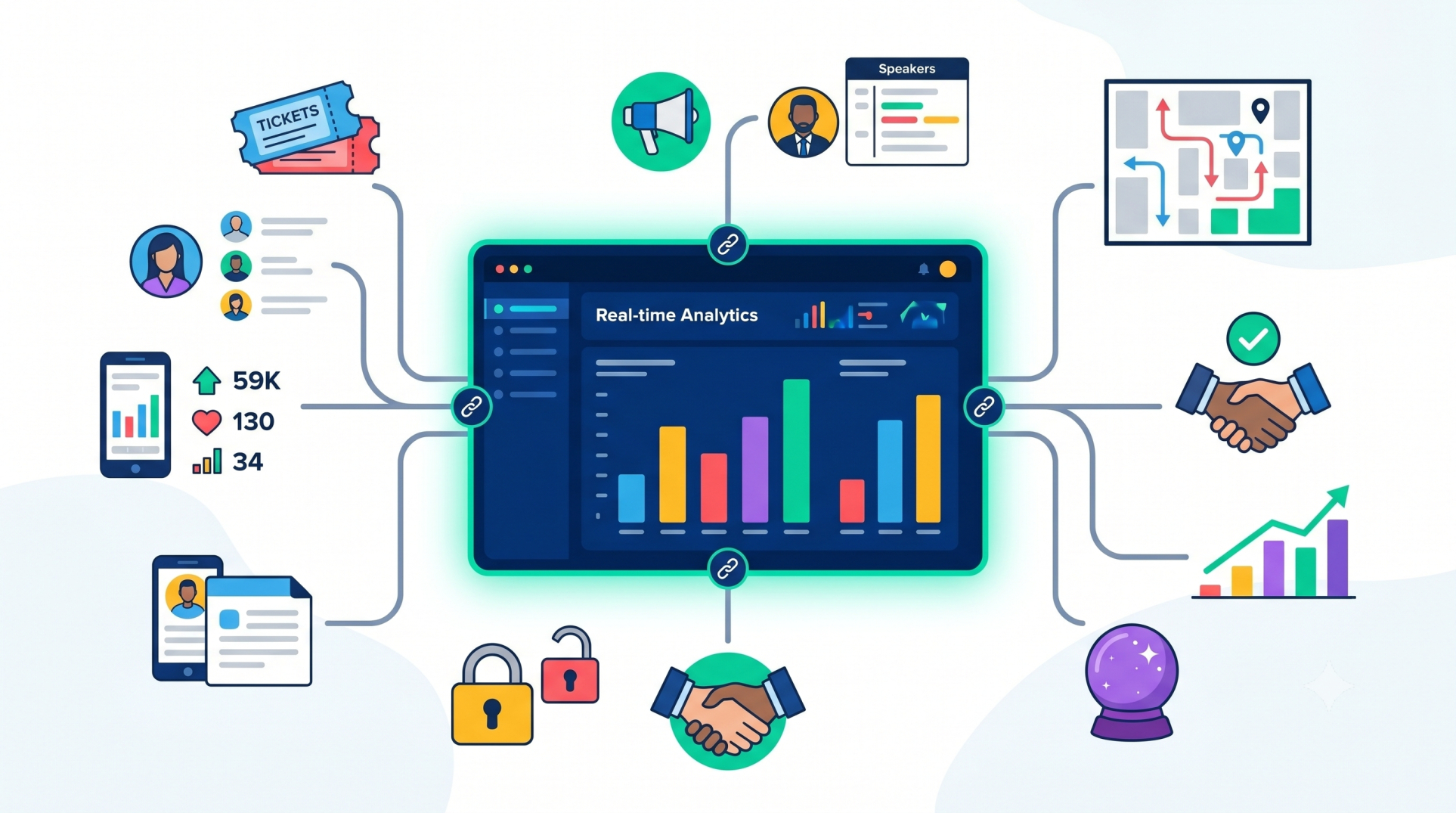
• Real-time integration ensures data consistency across both platforms 🔗
• Connected systems improve visibility into attendee behavior 👁️
• Integration creates a unified customer engagement ecosystem 🌐
Step 2: Defining a Unified Data Strategy 📊
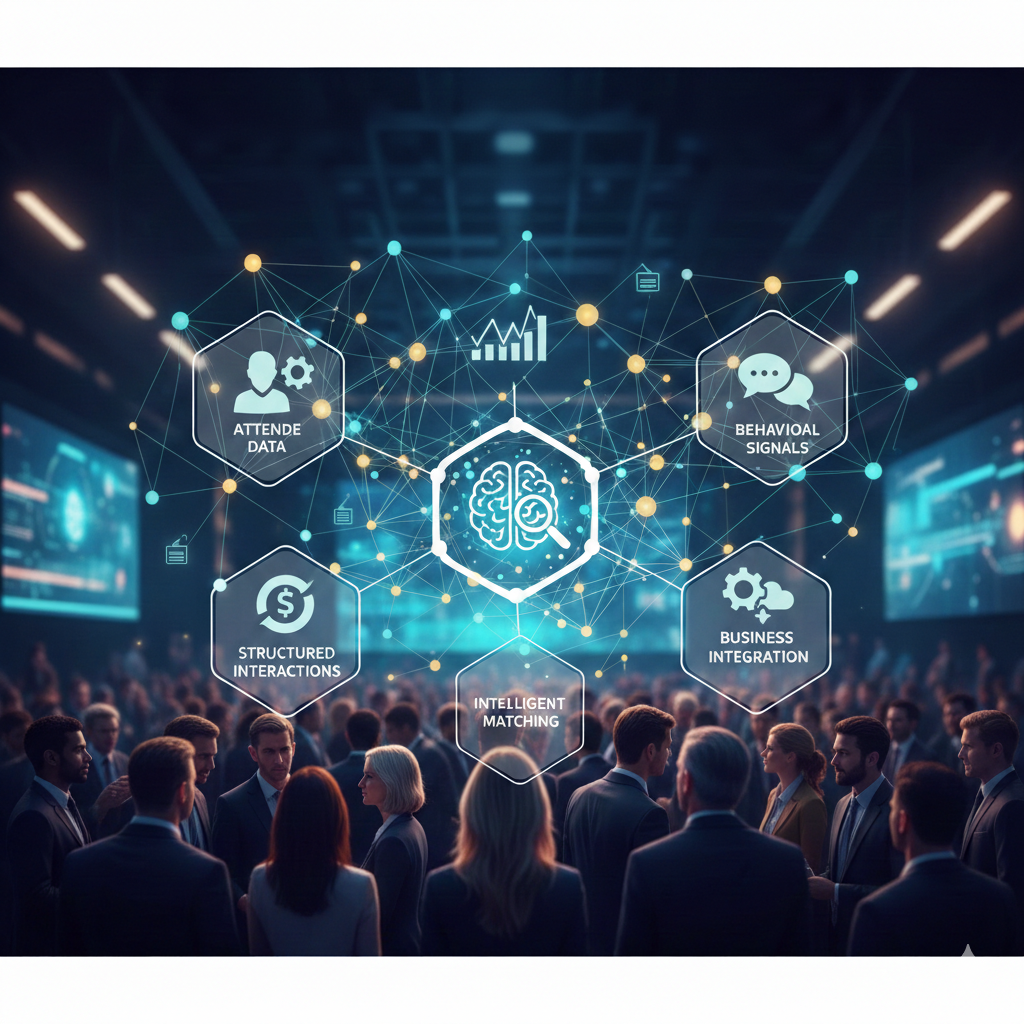
• Identify which attendee and event data should be synchronized 📋
• Standardize data formats and naming conventions 🧩
• Align event workflows with CRM processes ⚙️
• Eliminate duplicate records and fragmented information 🚫
• Ensure scalability for future events and growing audiences 📈
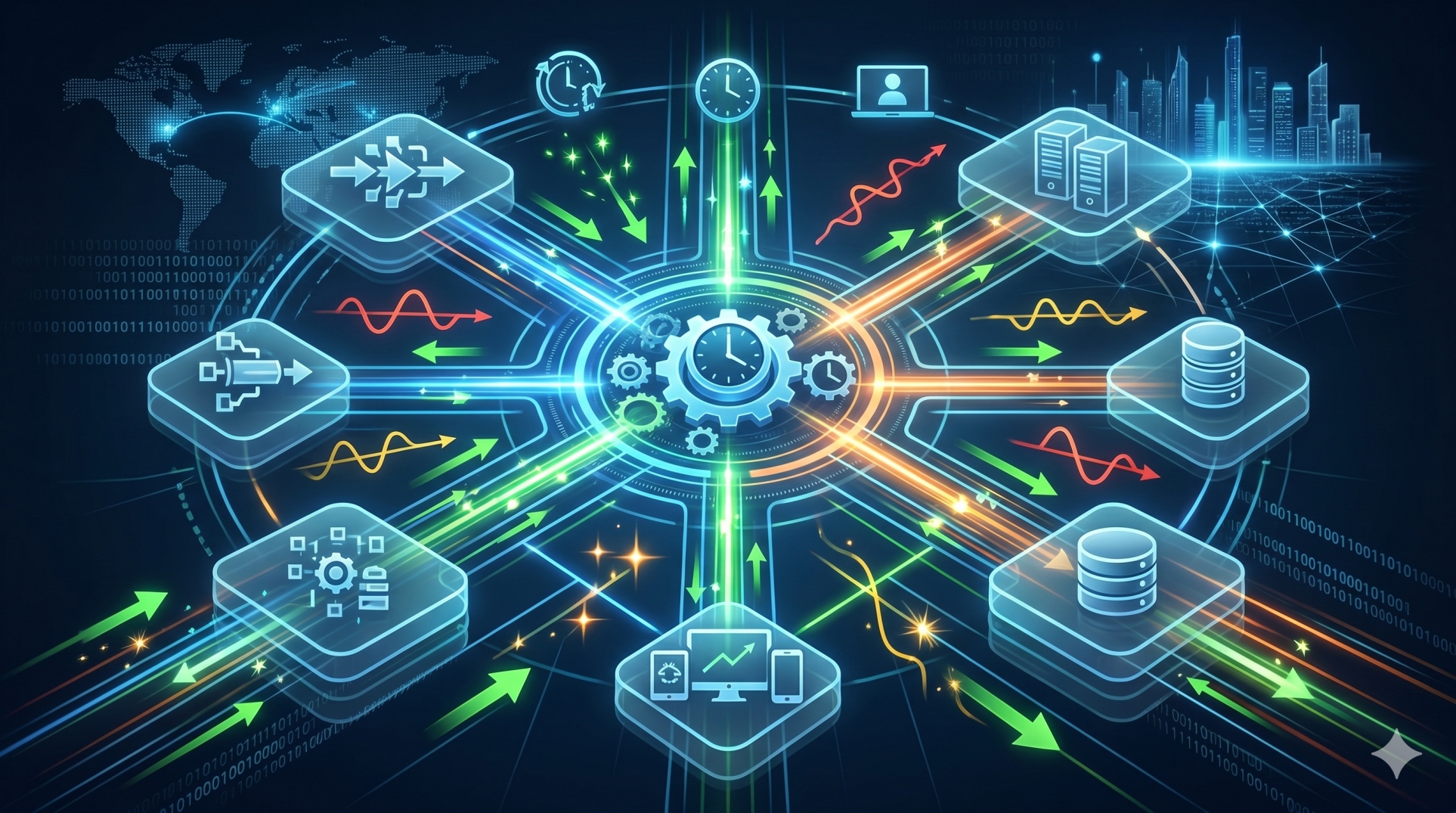
Step 3: Enabling Real-Time Synchronization ⚡
• Transfer attendee registrations instantly between systems 🔄
• Sync engagement data such as session attendance and interactions 📡
• Update CRM records automatically based on live event activity 🖥️
• Reduce delays caused by manual imports and exports ⏱️
• Maintain accurate and up-to-date customer profiles ✅
Step 4: Automating Lead Capture and Qualification 🤖
• Capture attendee information directly into CRM pipelines 📥
• Score leads based on participation and engagement levels 📊
• Trigger automated follow-ups during and after events ✉️
• Route qualified leads to sales teams in real time 🚀
• Improve conversion opportunities through instant engagement 🎯
Step 5: Improving Personalized Attendee Experiences 🌟
• Use CRM insights to personalize event communications 💬
• Deliver targeted recommendations based on attendee interests 🎯
• Customize agendas, networking opportunities, and content 📅
• Enable personalized outreach before, during, and after events 🤝
• Strengthen attendee relationships through data-driven engagement ❤️
Step 6: Supporting Cross-Platform Integration 🔗
• Integrate event systems with marketing automation platforms 📣
• Connect CRM tools with ticketing, webinar, and networking applications 🧠
• Enable seamless data flow across the digital event ecosystem 🌐
• Prevent information silos between departments 🚫
• Ensure compatibility with evolving technology stacks ⚙️
Step 7: Enhancing Reporting and Analytics 📈
• Track attendee engagement in real time 📊
• Measure campaign effectiveness using synchronized CRM data 🔍
• Analyze registration trends and participation metrics 📉
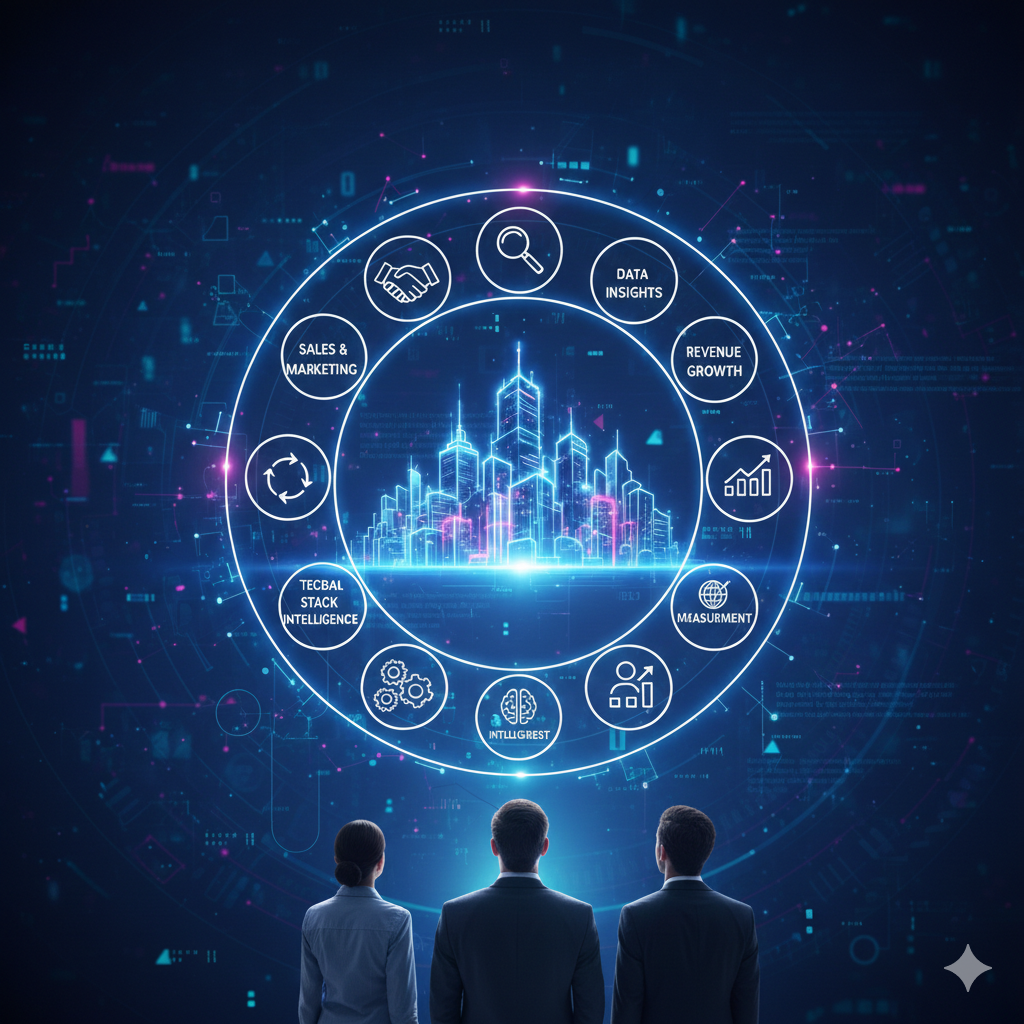
• Generate unified reports across sales, marketing, and event teams 🧾
• Improve decision-making through centralized analytics 🧠
Step 8: Key Integration Priorities 🏆
• Accurate real-time attendee data synchronization 🔄
• Centralized visibility across customer and event interactions 👁️
• Automated workflows for lead management and engagement 🤖
• Scalable infrastructure for future event growth 🚀
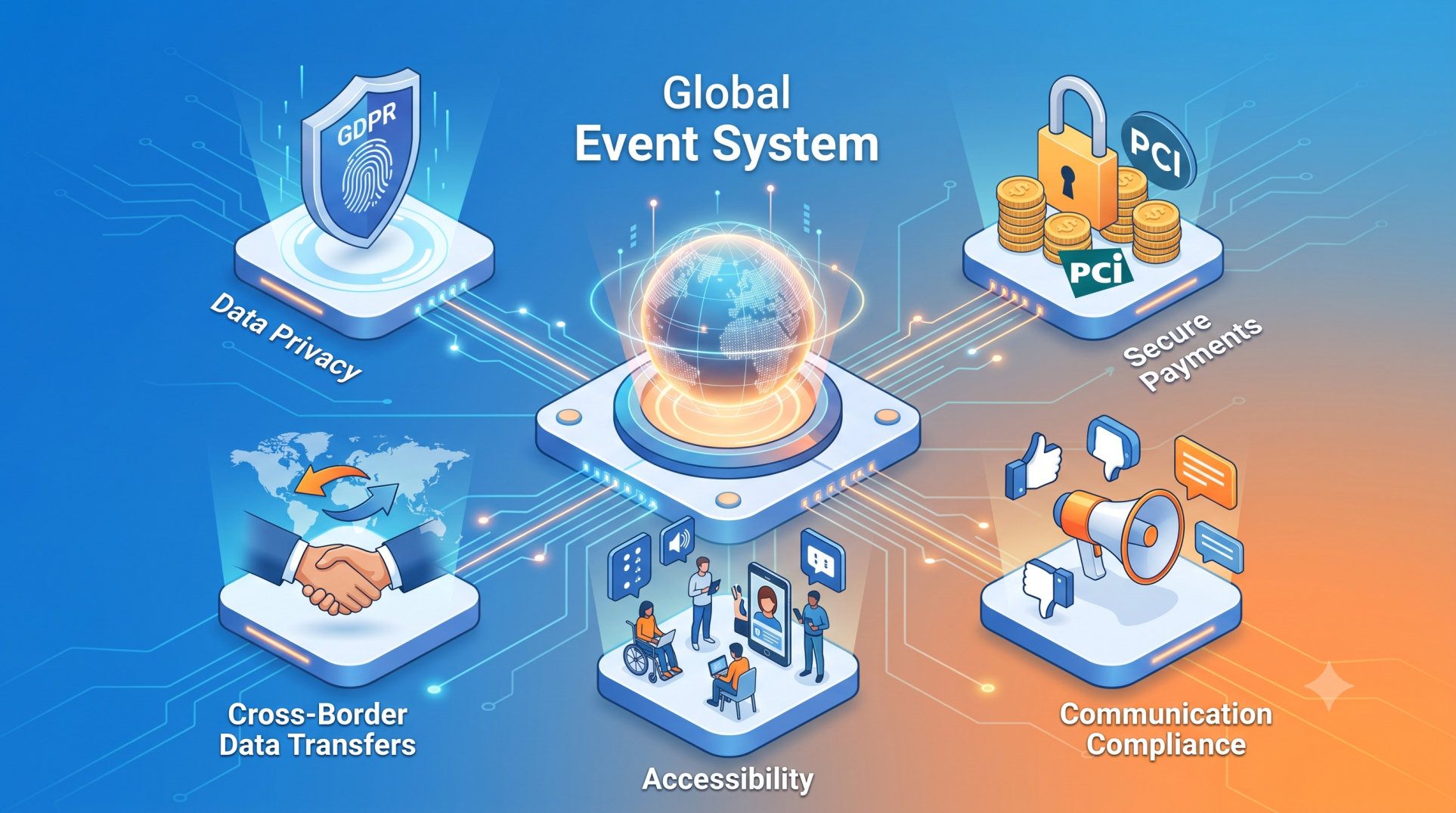
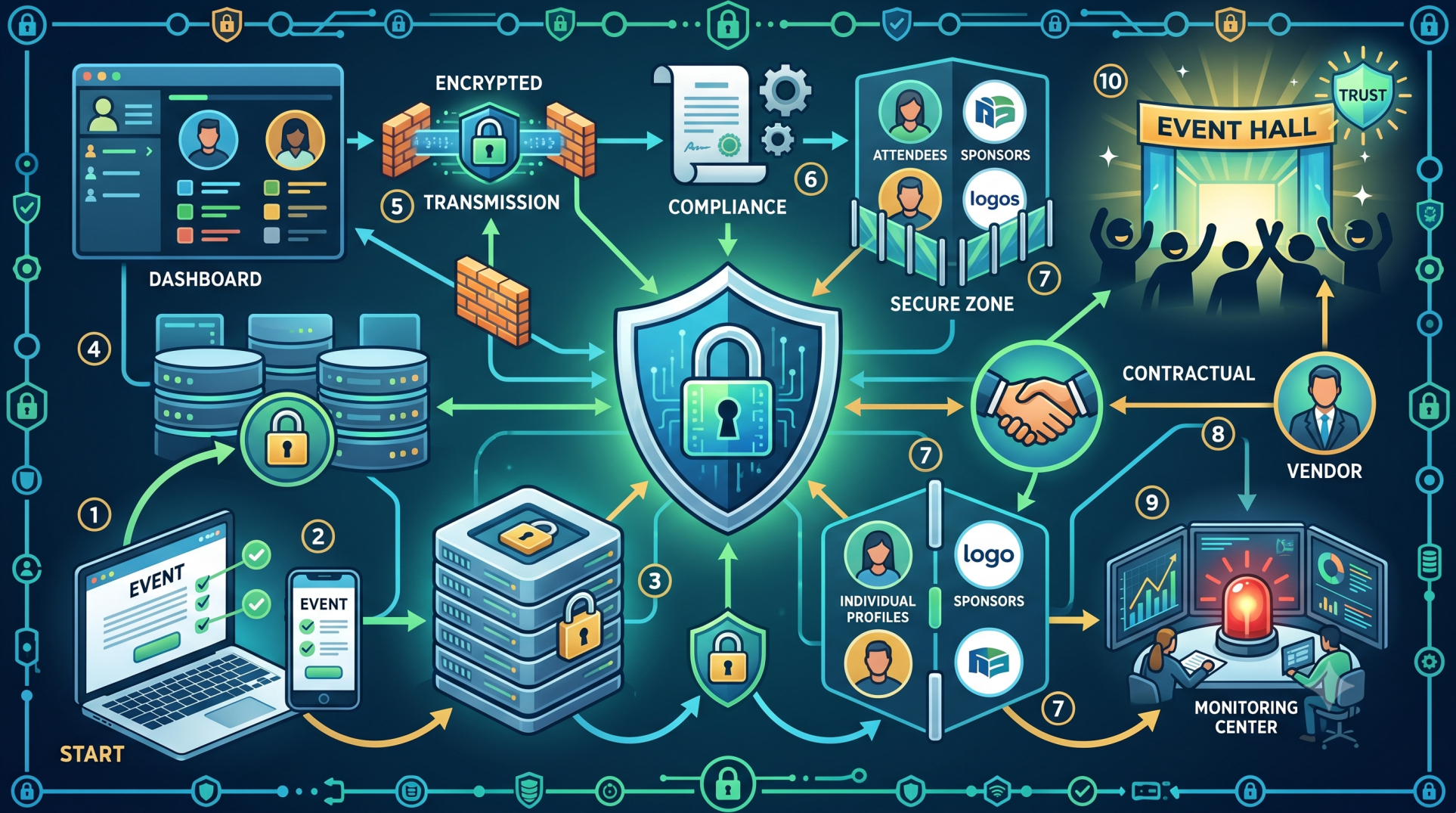
Step 9: Managing Data Security and Compliance 🔐
• Protect attendee information through secure data exchange 🛡️
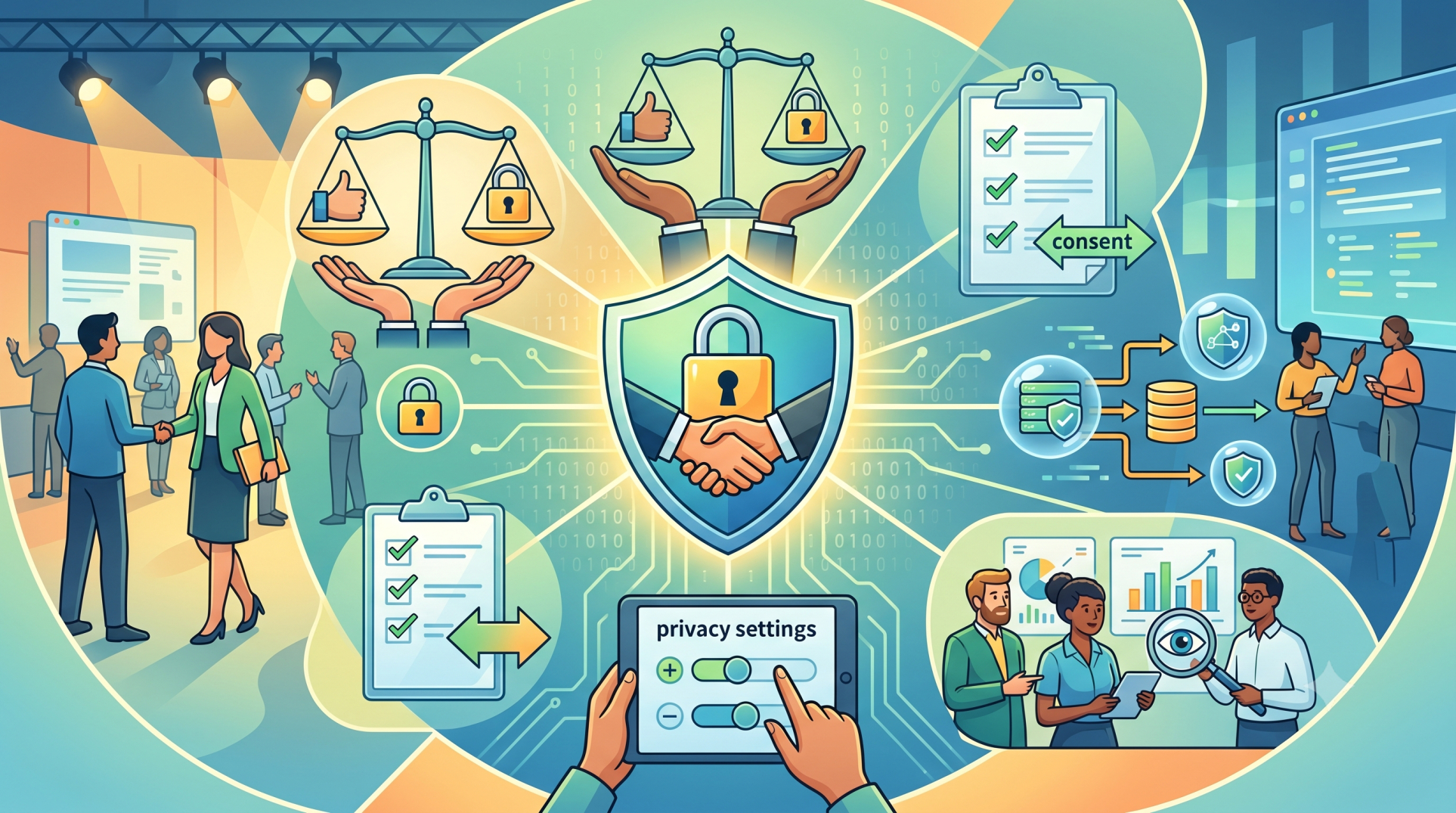
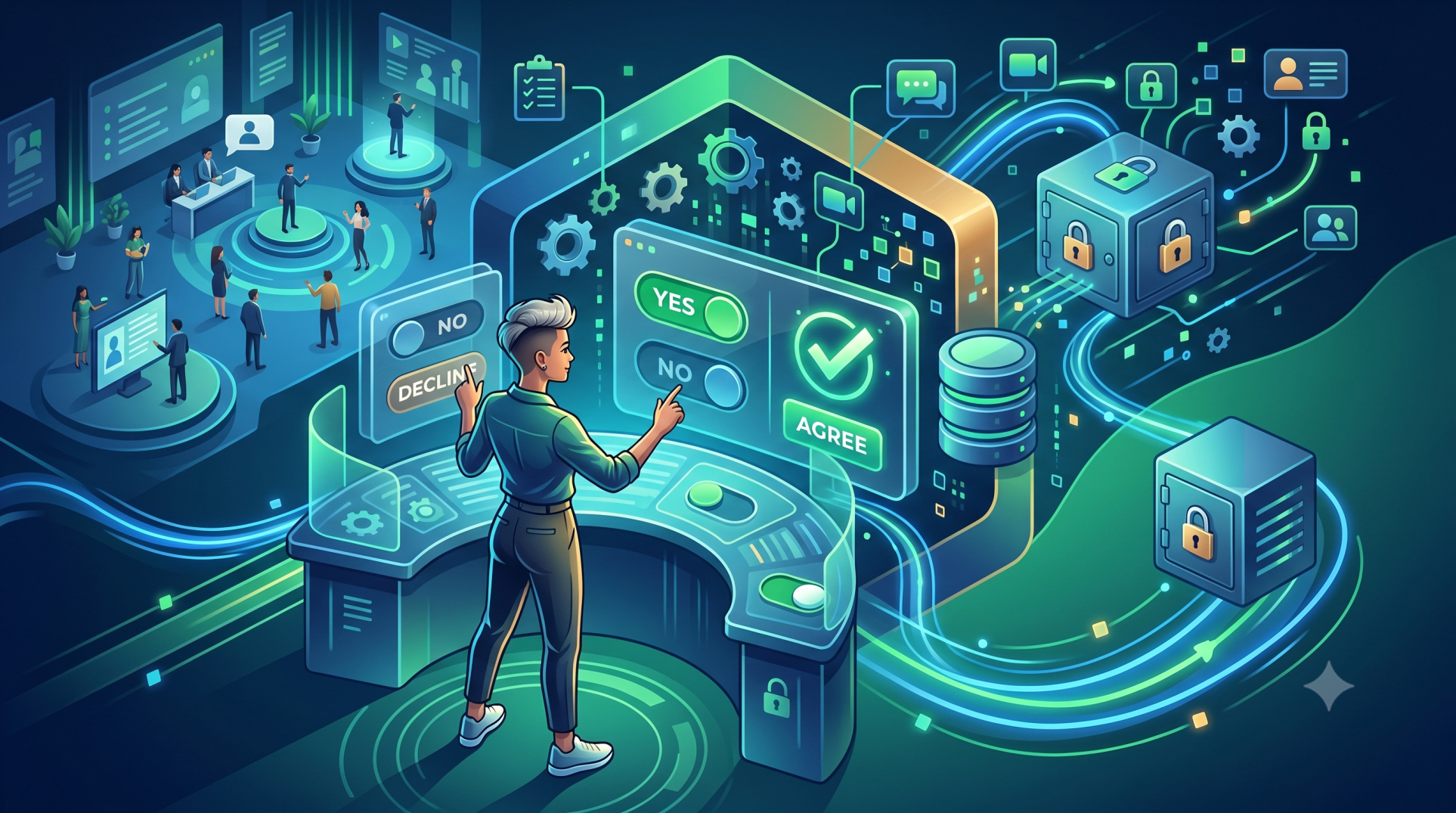
• Maintain compliance with privacy regulations and consent policies 📜
• Control access to sensitive customer and event data 🔑
• Monitor integrations for vulnerabilities and risks ⚠️
• Ensure transparency in data collection and usage 👀
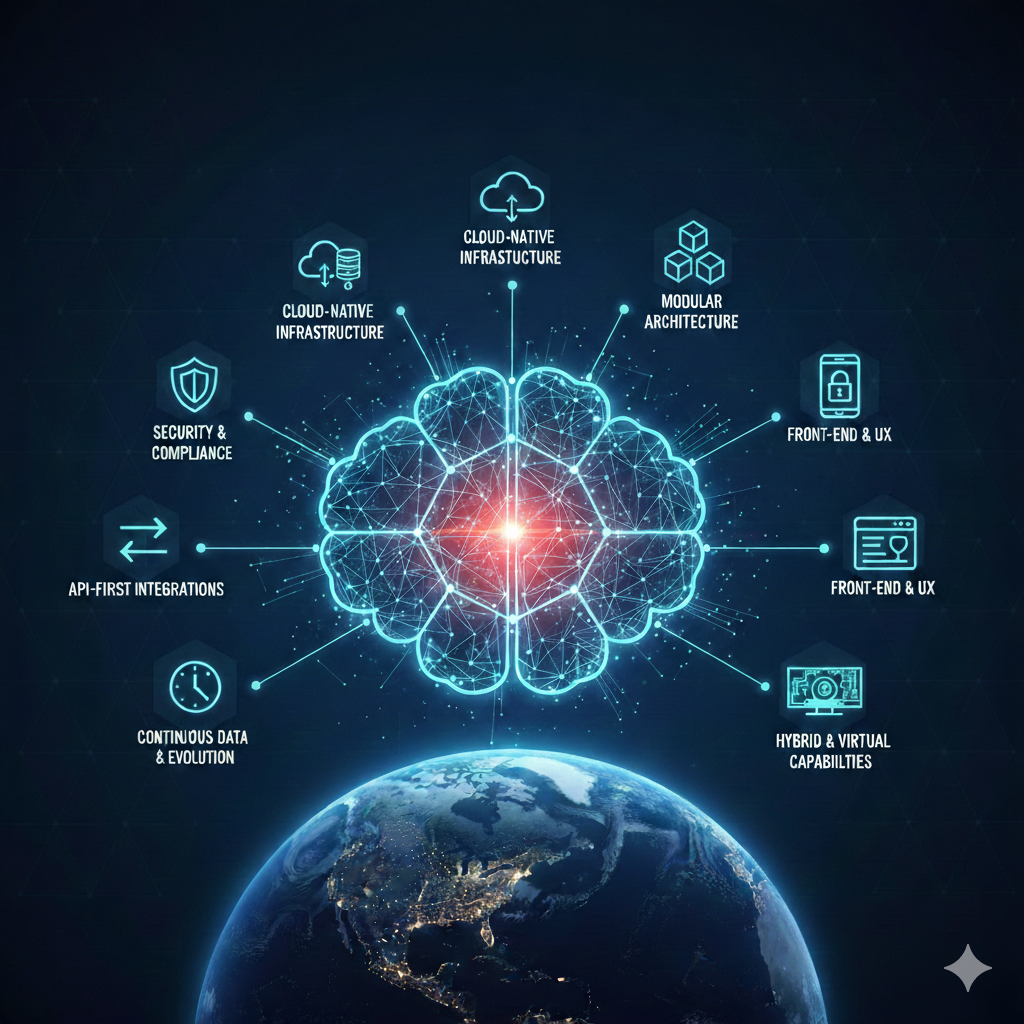
Step 10: Building a Scalable Event Technology Ecosystem 🚀
• Design integrations that support hybrid and virtual events 🌐
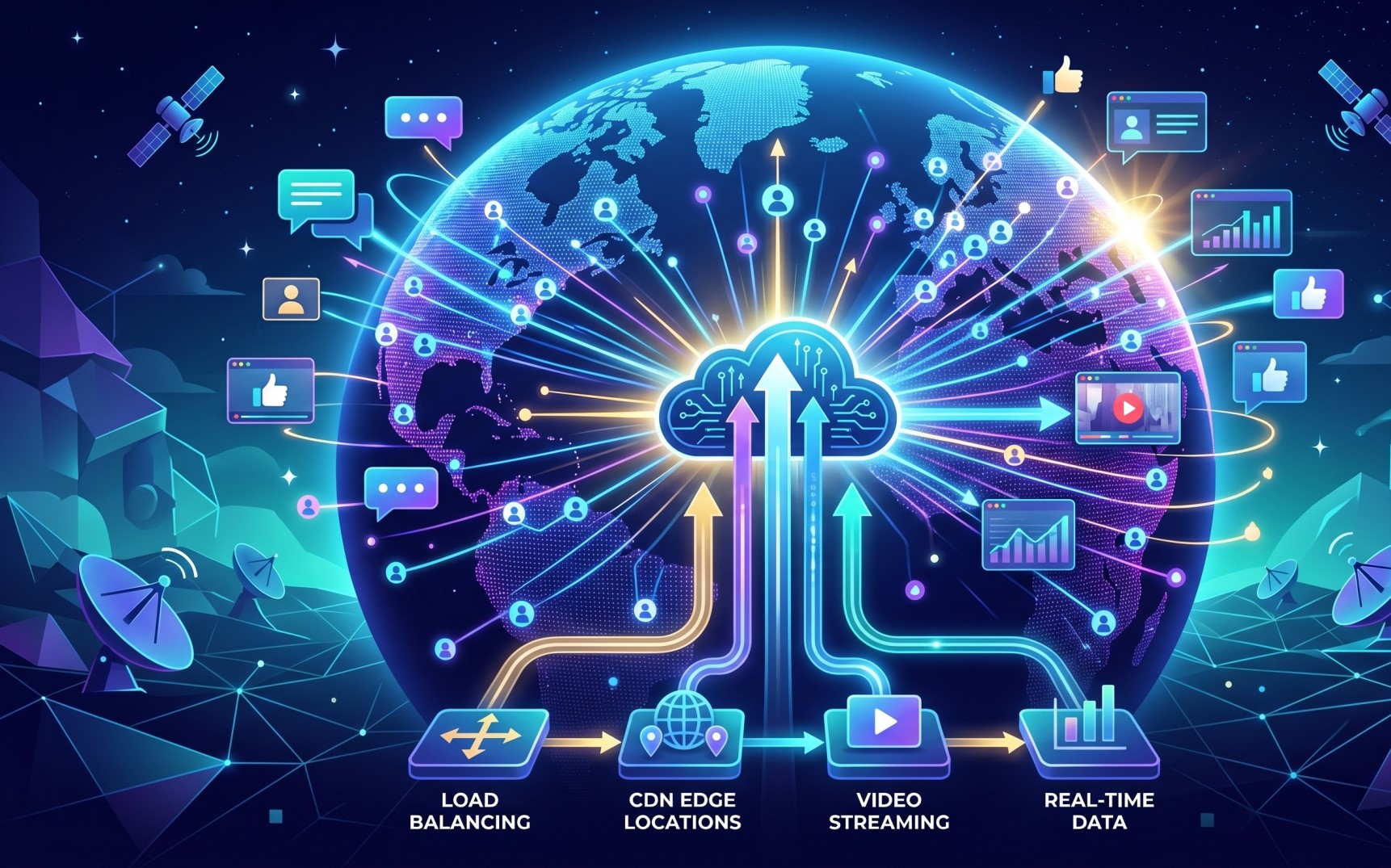
• Scale systems to handle increasing attendee volumes 📈
• Enable modular expansion with new tools and platforms 🧩
• Maintain flexibility for evolving engagement strategies 🔄
• Future-proof event operations through connected technologies 🤖
Conclusion
Real-time data exchange between event platforms and CRM systems is essential for delivering connected, efficient, and personalized event experiences. By integrating attendee engagement data with customer relationship workflows, organizations can improve operational visibility, automate lead management, and strengthen customer interactions. Well-integrated systems not only streamline event operations but also create long-term value through smarter engagement and data-driven decision-making.
See more blogs
You can all the articles below



























Ready to Find Your Perfect Solution?
Let us show you how Event Software can transform your events

AI-powered event management platform that helps you create stunning events .