
Managing Event Knowledge Repositories Through Software
Managing Event Knowledge Repositories Through Software
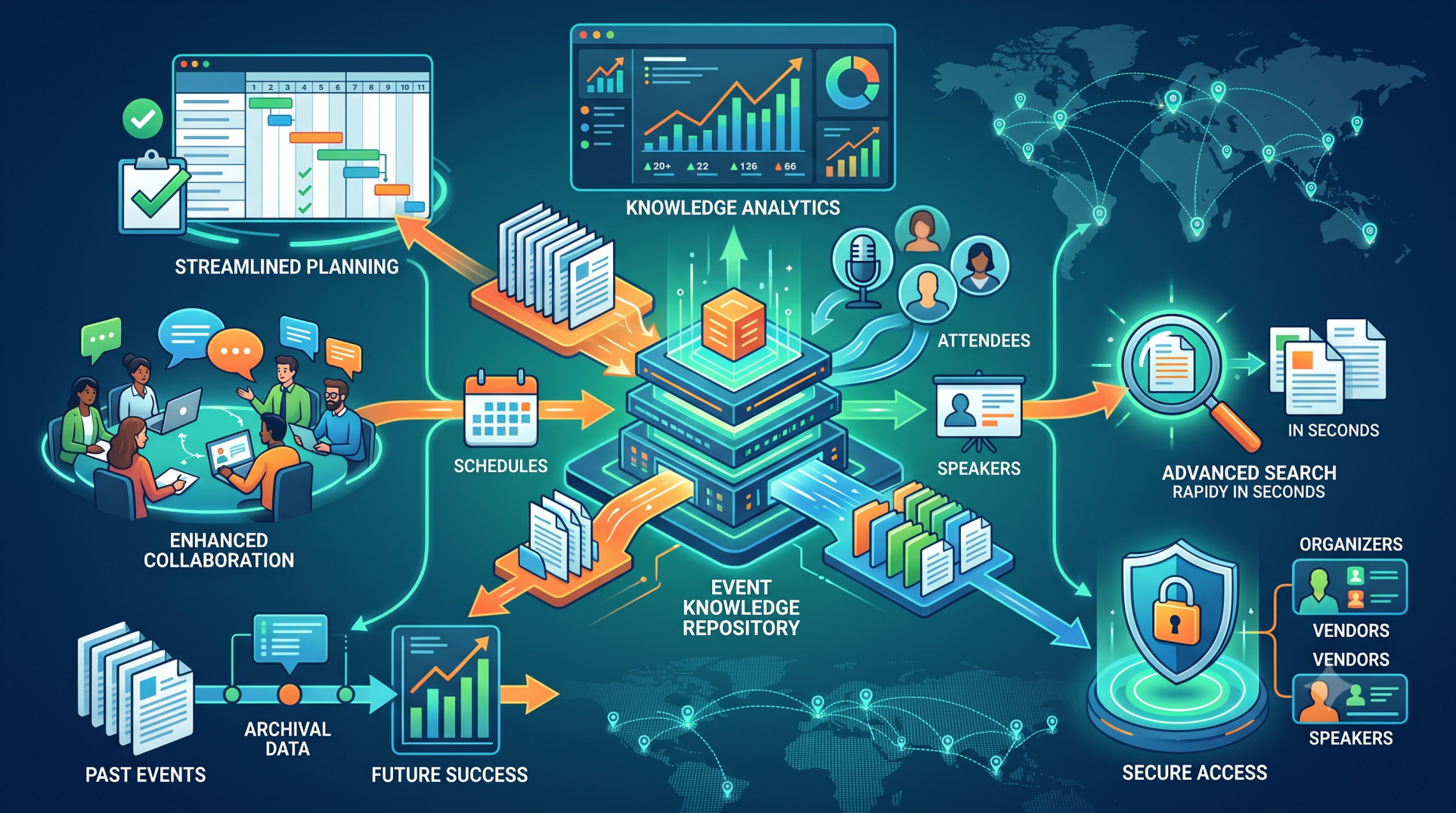
Enterprise events generate a significant amount of valuable information, from attendee records and session materials to operational documentation and post-event insights. Without a centralized approach, this knowledge often becomes fragmented across multiple systems, making it difficult to access and reuse. Event knowledge repository software provides a structured environment for organizing, maintaining, and sharing information, enabling event teams to improve collaboration, streamline planning, and support better decision-making for future events.
Step 1: Establishing a Centralized Knowledge Repository 📚
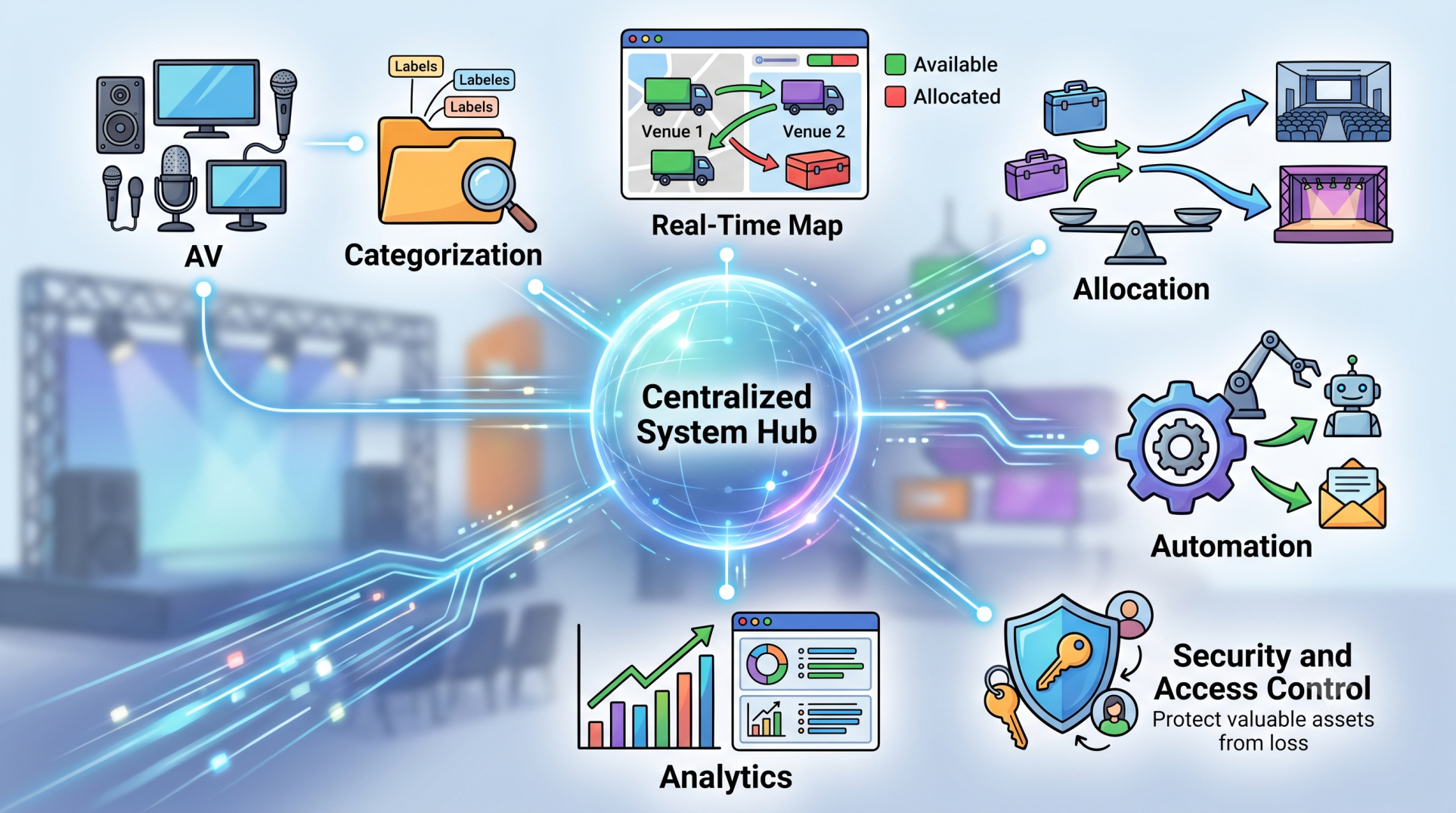
• Consolidate event documents, schedules, and operational resources in one platform 🗂️
• Create a single source of truth for event information 📋
• Eliminate scattered files and duplicate records 🔄
• Improve accessibility for organizers and stakeholders 👥
• Build a scalable foundation for knowledge management 🚀
Step 2: Organizing Event Information Effectively 🏷️
• Categorize content by event, department, or function 📂
• Apply consistent naming conventions for easy retrieval ✍️
• Tag documents with relevant metadata for efficient searching 🔍
• Maintain logical folder structures across repositories 🗃️
• Keep information organized throughout the event lifecycle 📈
Step 3: Managing Content Updates 🔄
• Keep schedules, presentations, and documentation up to date 📅
• Track revisions to maintain accurate information 📝
• Archive outdated content while preserving historical records 📦
• Ensure teams always access the latest approved versions ✅
• Maintain consistency across shared resources 🤝
Step 4: Strengthening Collaboration 🤝
• Enable secure knowledge sharing across event teams 👥
• Support collaborative document creation and editing ✍️
• Improve coordination between organizers, vendors, and speakers 🎤
• Reduce communication gaps with centralized information 💬
• Encourage knowledge sharing across departments 🌐
Step 5: Improving Search and Information Retrieval 🔍
• Implement advanced search capabilities for faster access ⚡
• Filter content using categories, tags, and keywords 🏷️
• Locate documents and resources within seconds ⏱️
• Improve productivity through efficient knowledge discovery 📖
• Reduce time spent searching for critical information 📊
Step 6: Securing Repository Access 🔐
• Apply role-based permissions for different user groups 👥
• Protect confidential event and attendee information 🛡️
• Monitor repository access and user activity 📡
• Prevent unauthorized modifications to critical documents 🚫
• Support compliance with organizational security policies 📜
Step 7: Leveraging Knowledge Analytics 📊
• Track repository usage and document access trends 📈
• Identify frequently referenced resources 📂
• Analyze knowledge gaps affecting event operations 🔍
• Measure collaboration effectiveness across teams 🤝
• Use insights to improve future event planning 💡
Step 8: Key Knowledge Management Priorities ⭐
• Centralized storage for all event-related information 📚
• Efficient collaboration and document sharing 🤝
• Secure access with comprehensive visibility 🔐
• Scalable repositories that grow with organizational needs 🚀
Step 9: Preserving Organizational Knowledge 🗄️
• Capture lessons learned after each event 📝
• Store operational best practices for future reference 📘
• Retain historical event data for long-term analysis 📊
• Document successful workflows and planning strategies 🏆
• Build a reusable knowledge base for continuous improvement 🌱
Step 10: Building a Future-Ready Knowledge Management Framework 🌍
• Design flexible repositories that support business growth 🏗️
• Integrate with event management and collaboration platforms 🔗
• Support cloud-based access for distributed teams ☁️
• Enable continuous knowledge updates and expansion 📈
• Future-proof event operations with intelligent information management 🚀
Conclusion
Managing event knowledge repositories through software enables organizations to preserve valuable information, improve collaboration, and streamline event operations. By centralizing documentation, securing access, and maintaining organized knowledge resources, event teams can make better decisions, reduce repetitive work, and enhance planning efficiency. A well-managed knowledge repository supports continuous improvement and provides a scalable foundation for delivering successful enterprise events.
See more blogs
You can all the articles below


























































Ready to Find Your Perfect Solution?
Let us show you how Event Software can transform your events

AI-powered event management platform that helps you create stunning events .