How to Choose the Right Event Management Software in 2026

How to Choose the Right Event Management Software in 2026 🎯
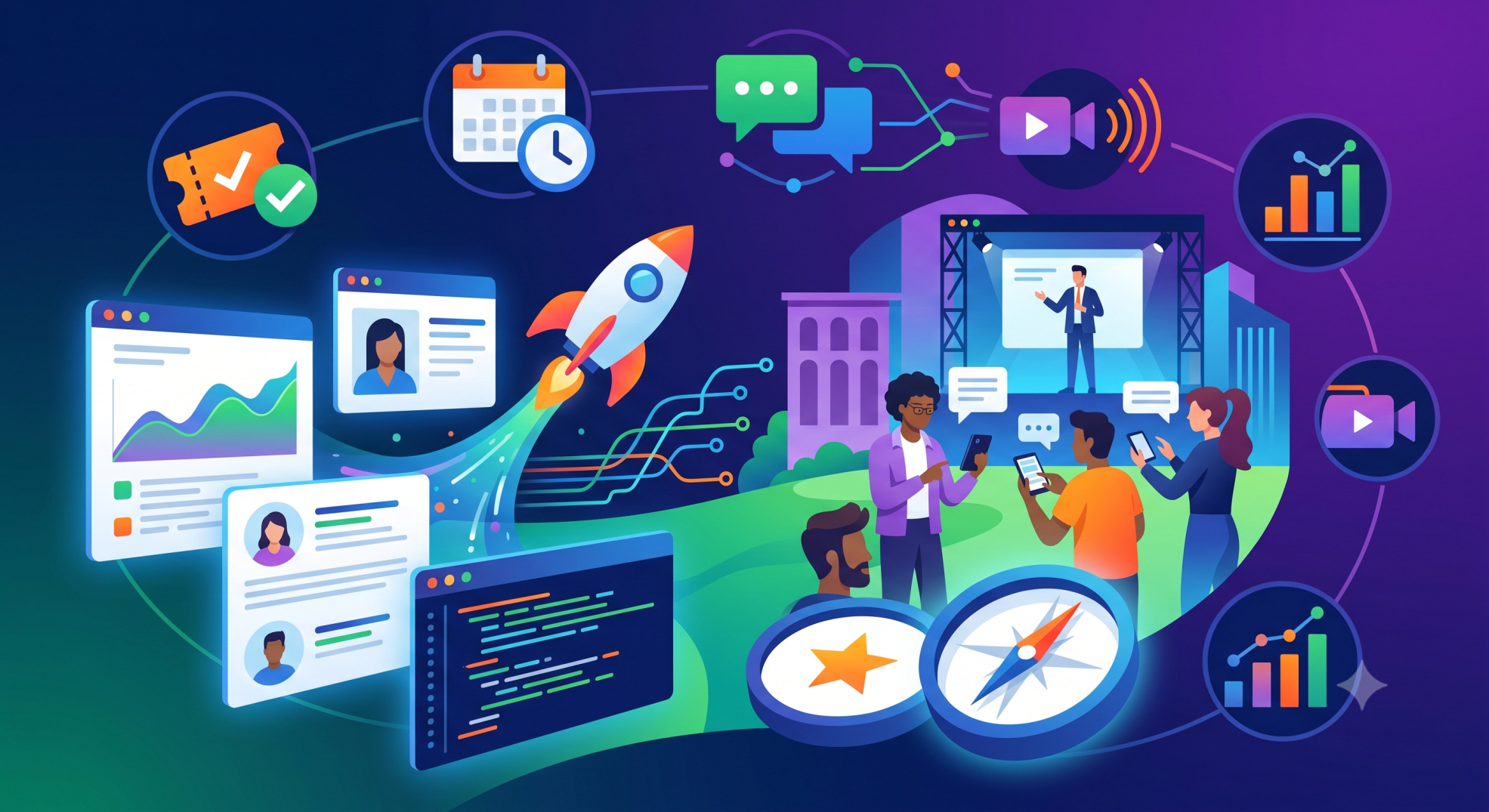
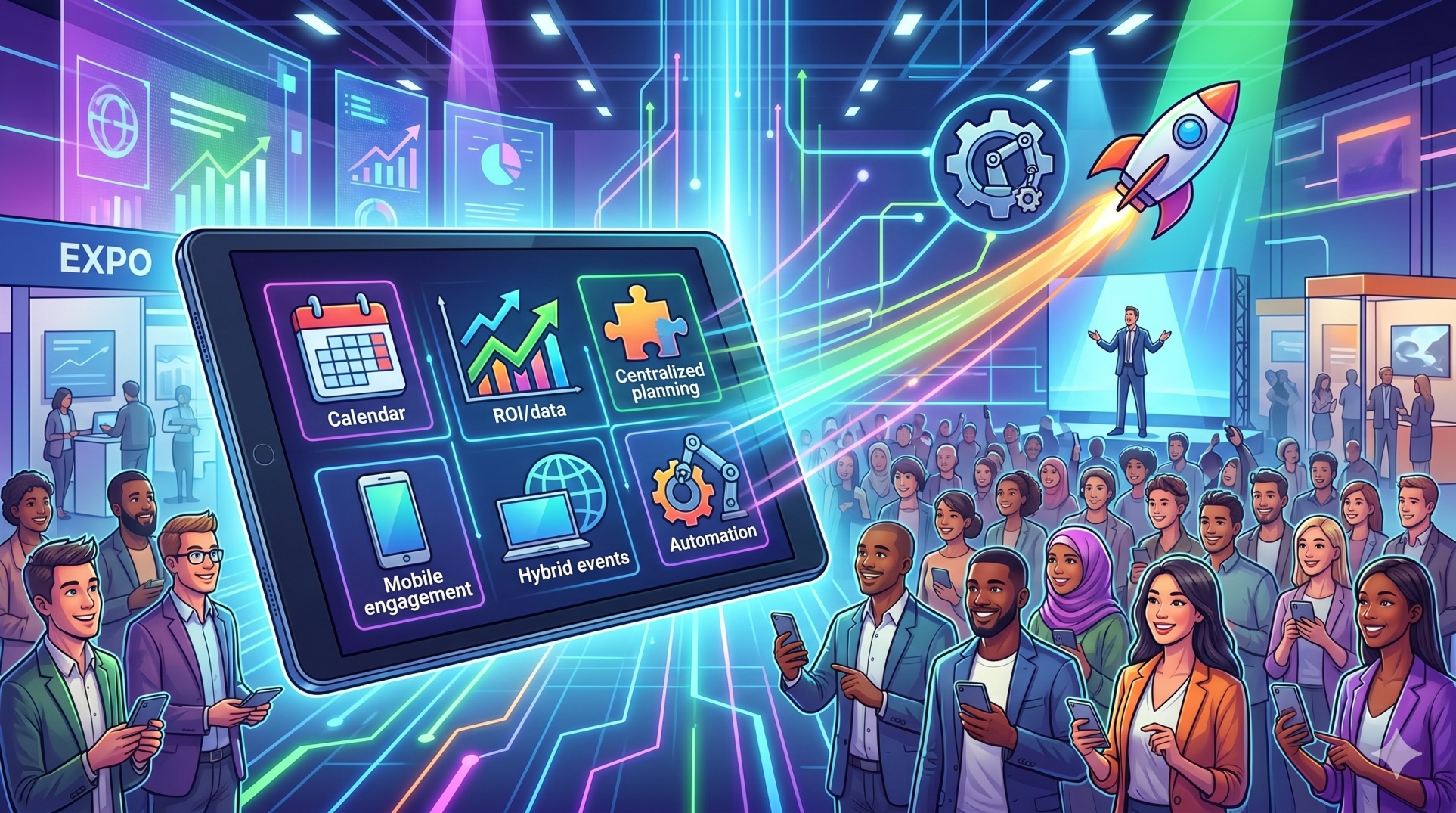
Choosing the right event management software is a critical decision that directly affects how successfully your events are planned, executed, and measured. In 2026, event platforms are expected to deliver greater flexibility, automation, and data-driven insights. The ideal solution should simplify operations while enhancing attendee experiences and maximizing event ROI. 🚀
1. Define Your Event Goals and Needs 🧭
Start by clearly outlining what you expect from the platform:
- Identify the types of events you host (in-person, virtual, or hybrid) 🌐
- Determine the scale of your events, from small sessions to large conferences 📈
- Separate essential features from optional enhancements 🧩
- Decide which outcomes matter most, such as engagement, attendance, or revenue 🎯
Clear goals help narrow down software that truly fits your requirements. ✅
2. Focus on Ease of Use and Adoption ⚙️
Powerful features matter only if teams can use them easily:
- Clean and intuitive interfaces for organizers and attendees 🧠
- Minimal training required for internal users ⏱️
- Configurable dashboards and workflows 📊
- Faster onboarding for quicker productivity 🚀
User-friendly platforms reduce mistakes and speed up execution. 👍
3. Ensure Flexible Registration and Ticketing 🎟️
Registration sets the first impression for attendees:
- Customizable registration forms with conditional logic 📝
- Multiple ticket categories and pricing options 💳
- Support for discounts, promo codes, and early-bird pricing 🏷️
- Secure payments and smooth refund handling 🔐
- Real-time registration insights 📊
Flexible registration increases conversions and reduces friction. 📈
4. Review Check-In and Onsite Features 📍
For physical and hybrid events, onsite efficiency is key:
- Mobile check-in with QR code scanning 📱
- Badge printing and attendee identification 🪪
- Contactless entry options 🚪
- Session-level or zone-based attendance tracking 🧭
Smooth onsite experiences improve satisfaction and reduce delays. 😊
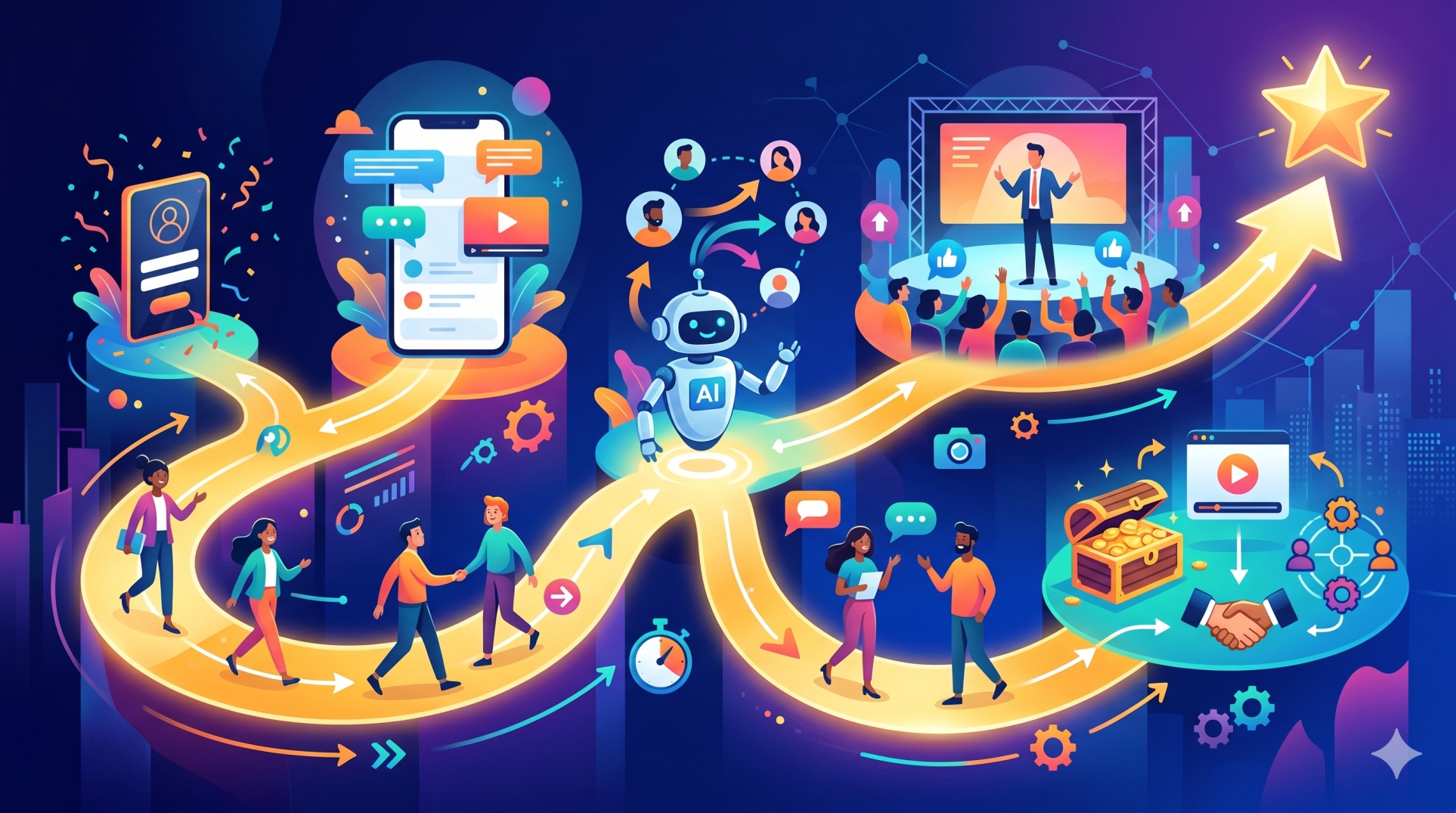
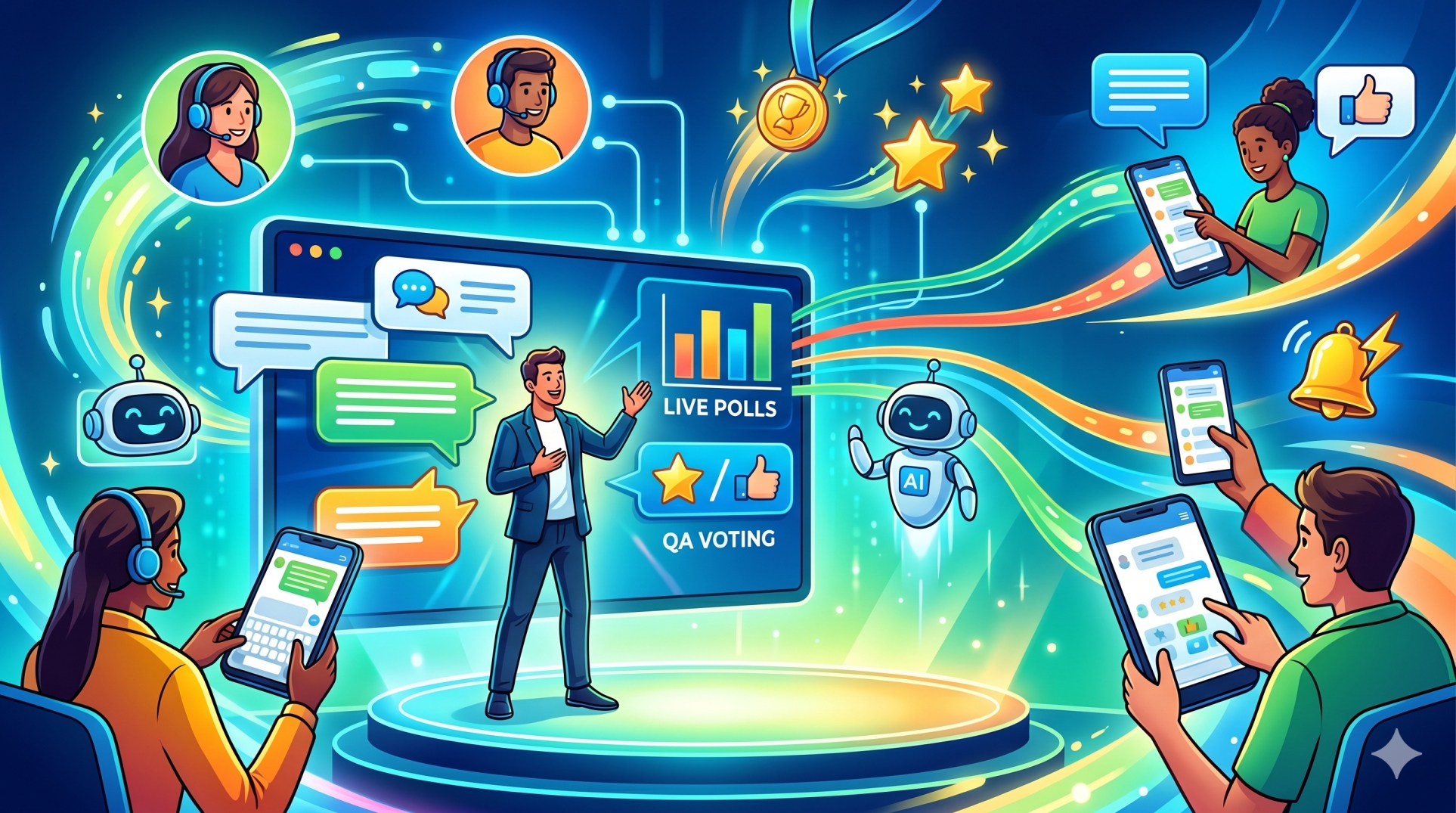
5. Evaluate Engagement and Networking Tools 💬
Modern events demand interactive experiences:
- Interactive agendas with live Q&A ❓
- Polling and feedback collection 📊
- Smart networking and matchmaking features 🤝
- Chat and community discussion tools 💬
Engagement features drive participation and event value. ⭐
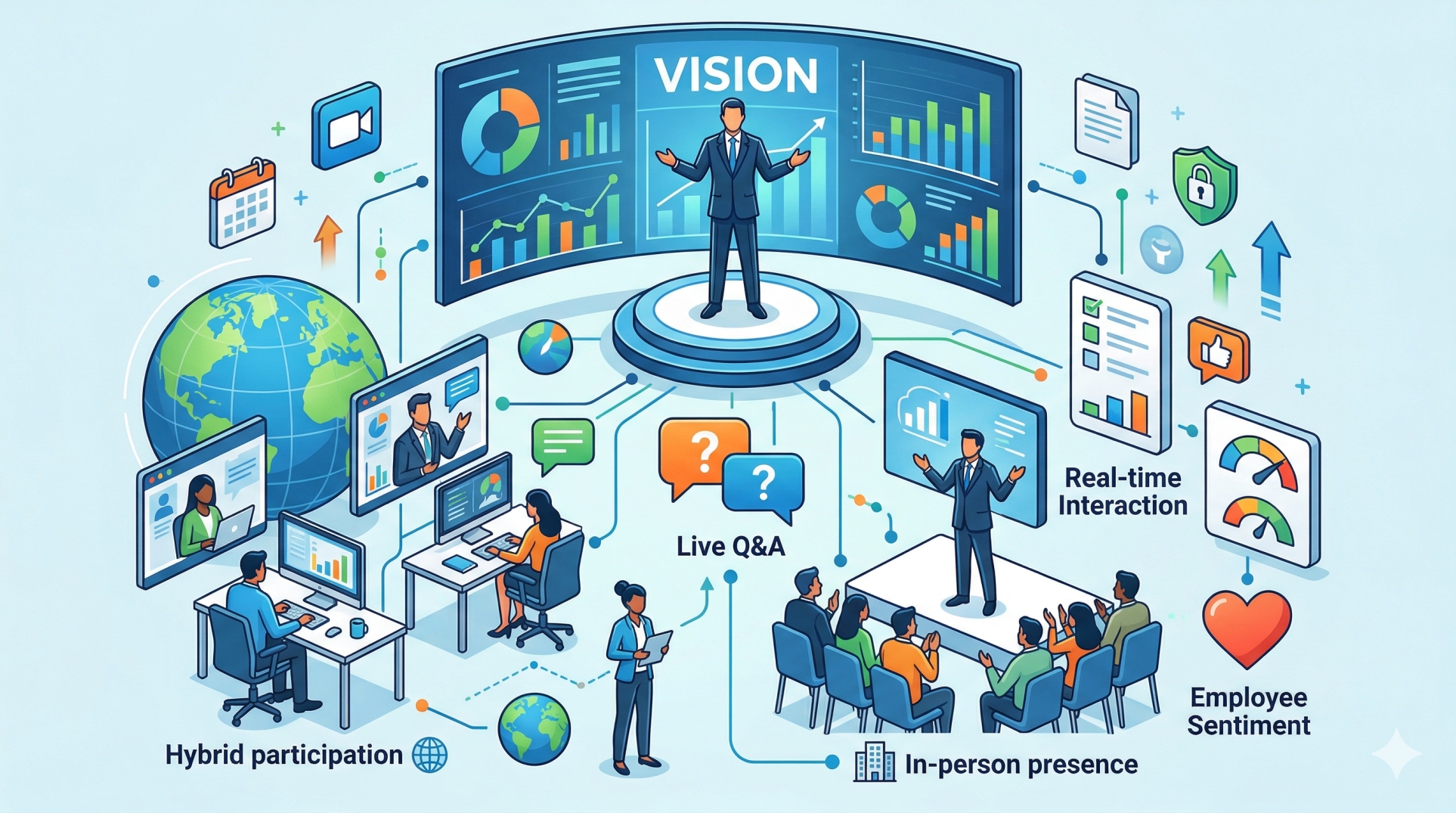
6. Support for Virtual and Hybrid Formats 🌐
Event software must handle digital and blended experiences:
- Live streaming and on-demand content delivery 🎥
- Virtual exhibitor and sponsor spaces 🏢
- Segmented experiences for in-person and virtual attendees 🔀
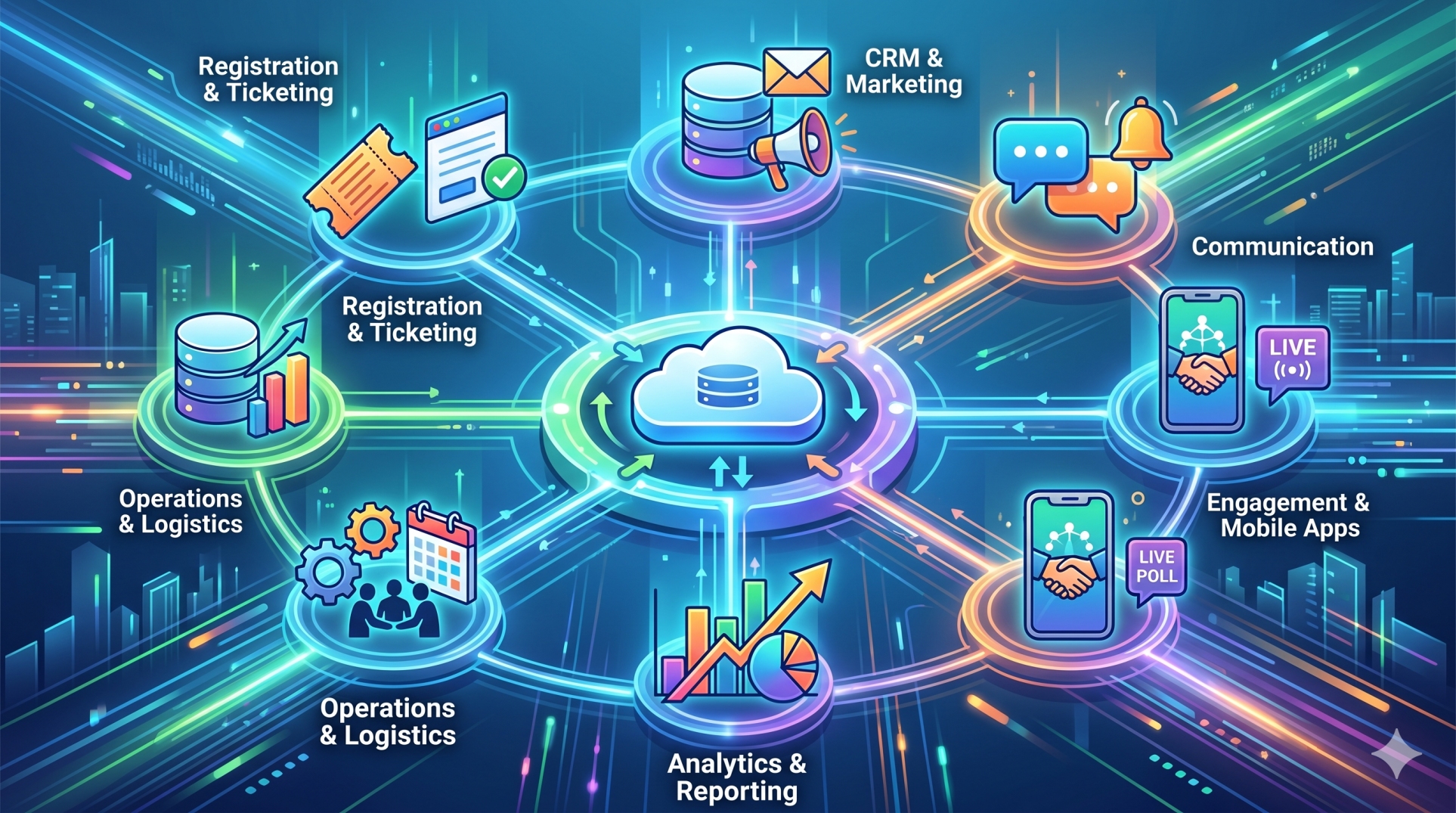
- Unified analytics across all formats 📈
A single platform ensures consistent experiences for everyone. ✅
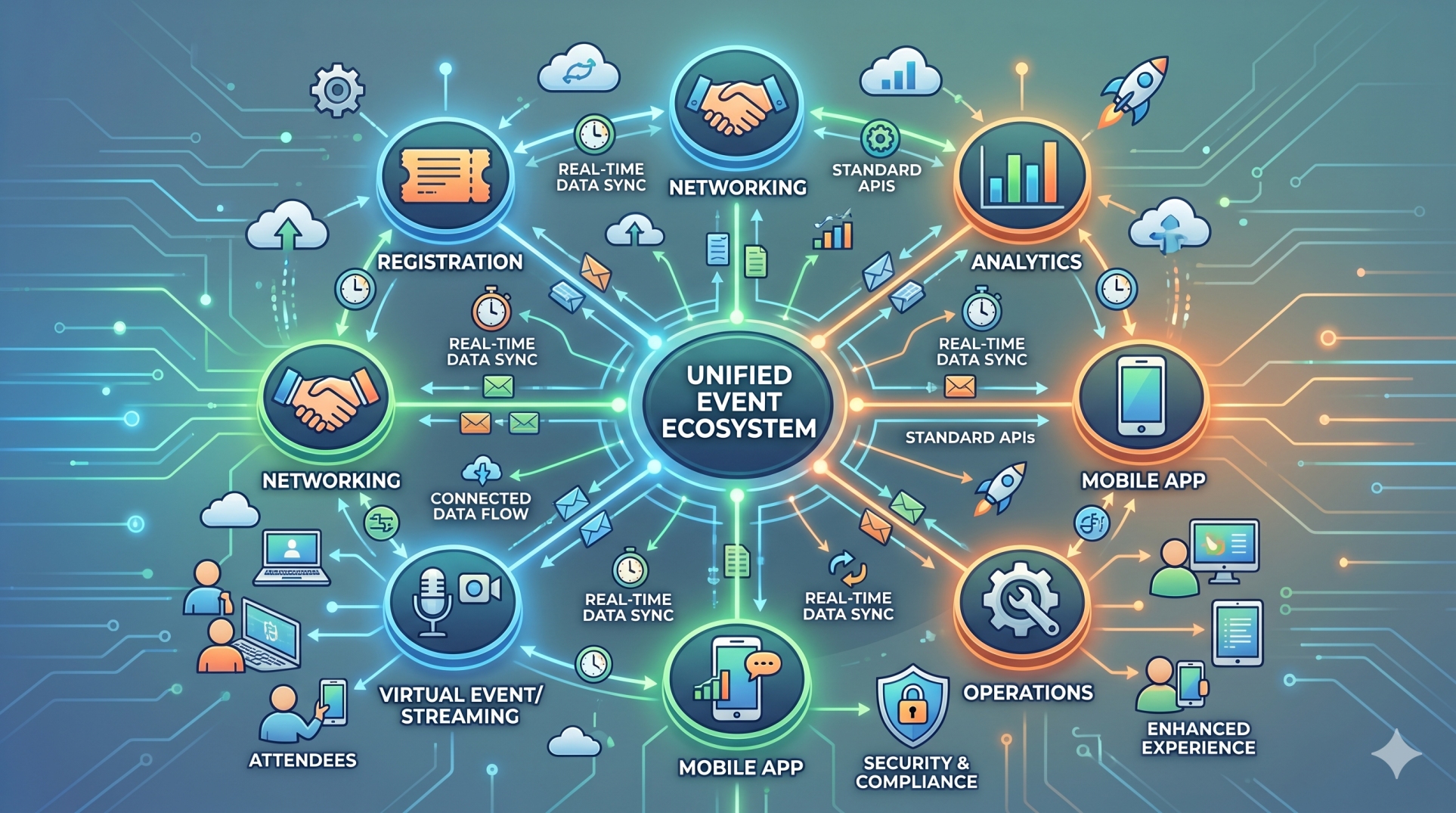
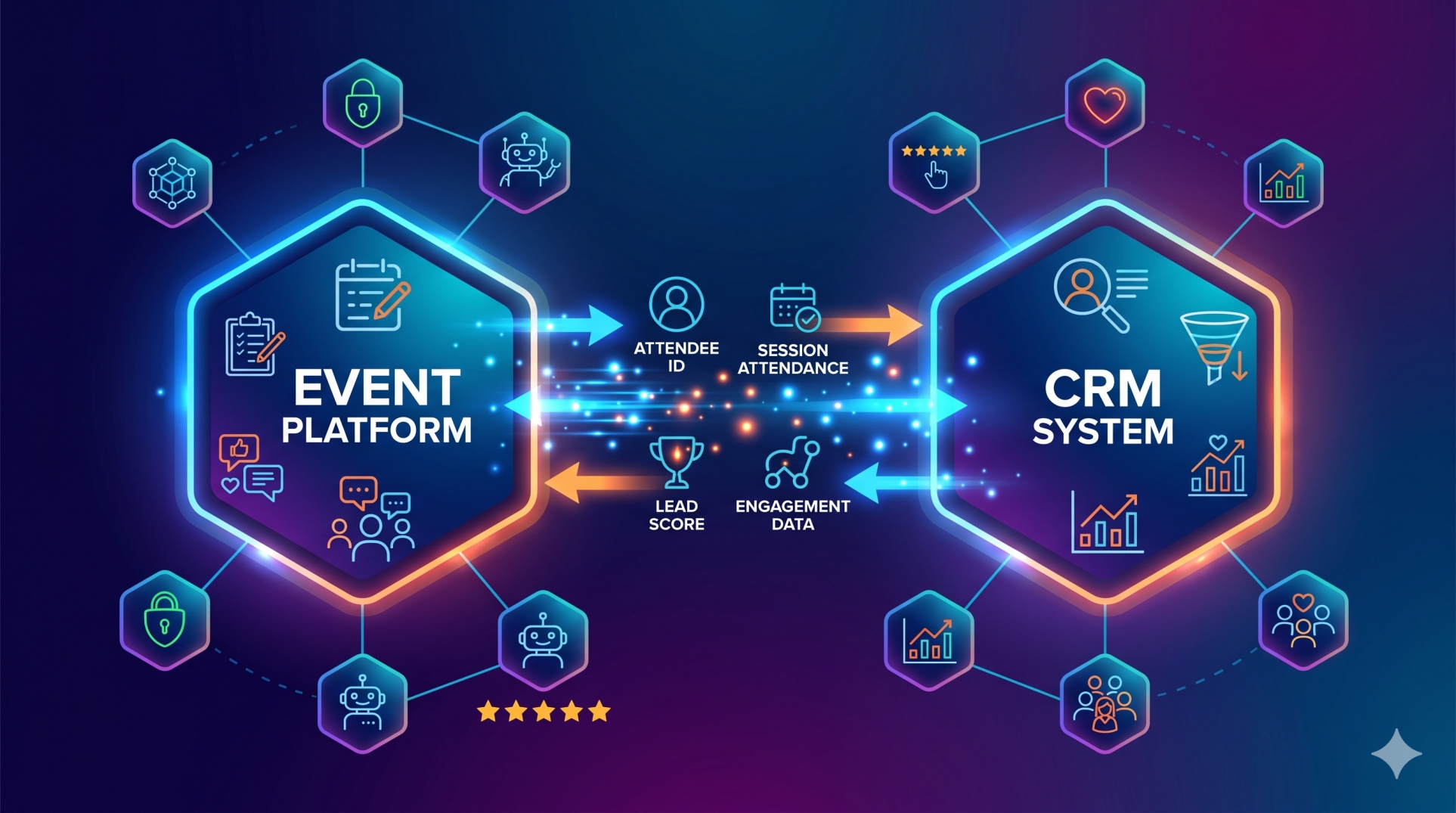
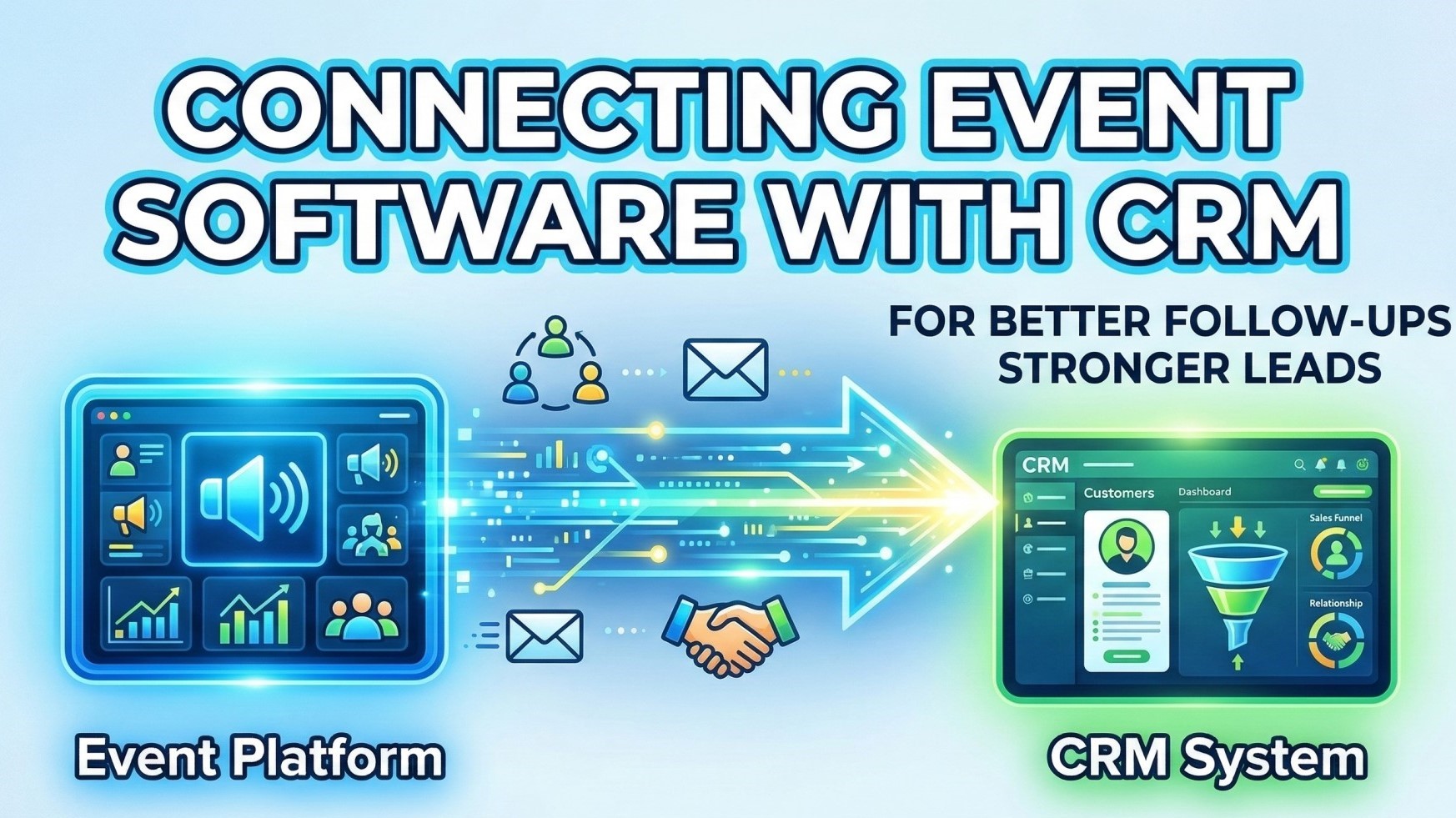
7. Integration and Data Connectivity 🔌
Your event platform should work with existing tools:
- CRM and marketing automation systems 📣
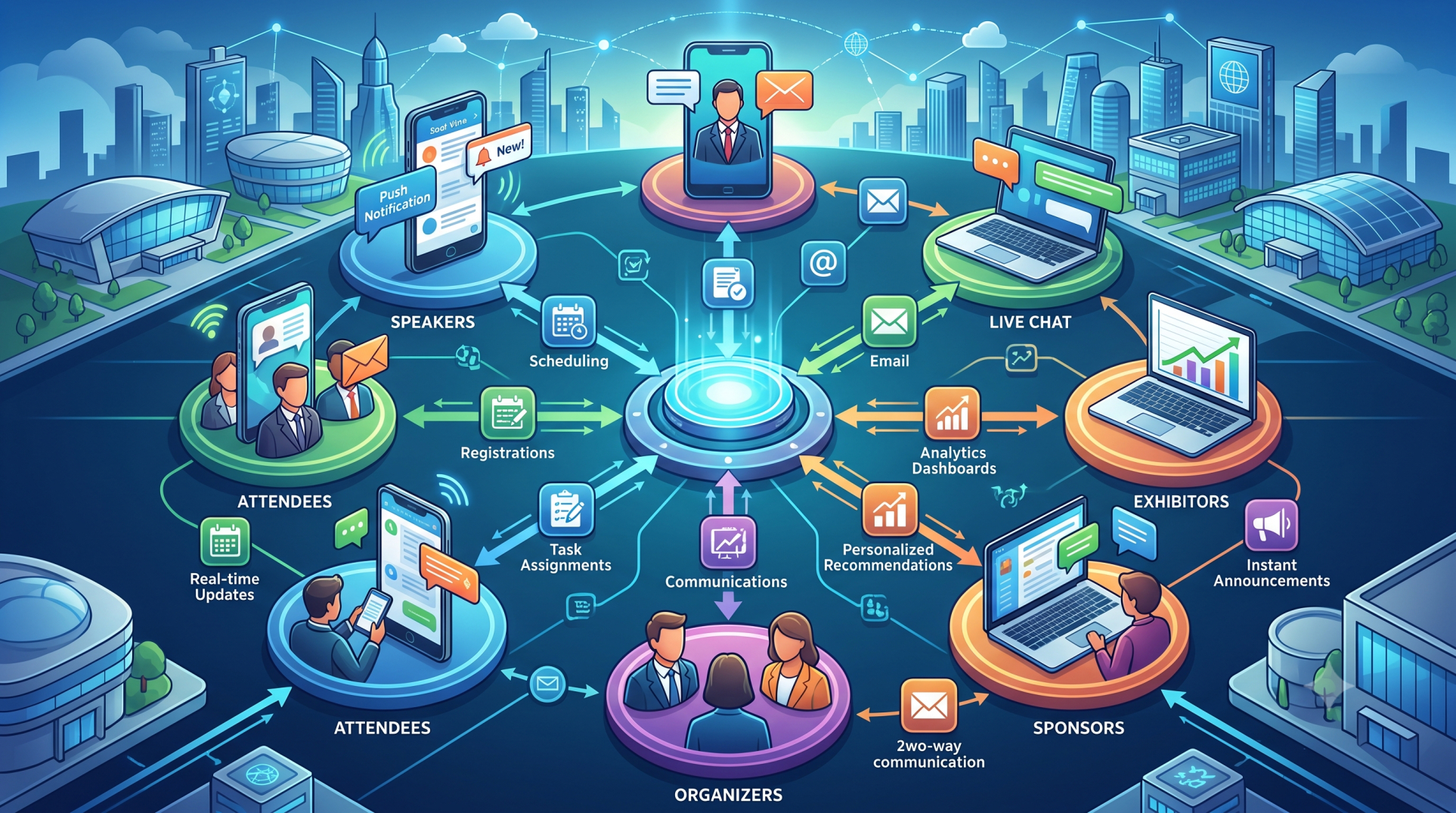
- Email, SMS, and communication platforms ✉️
- Payment and billing systems 💰
- Analytics, ERP, and customer data platforms 📊
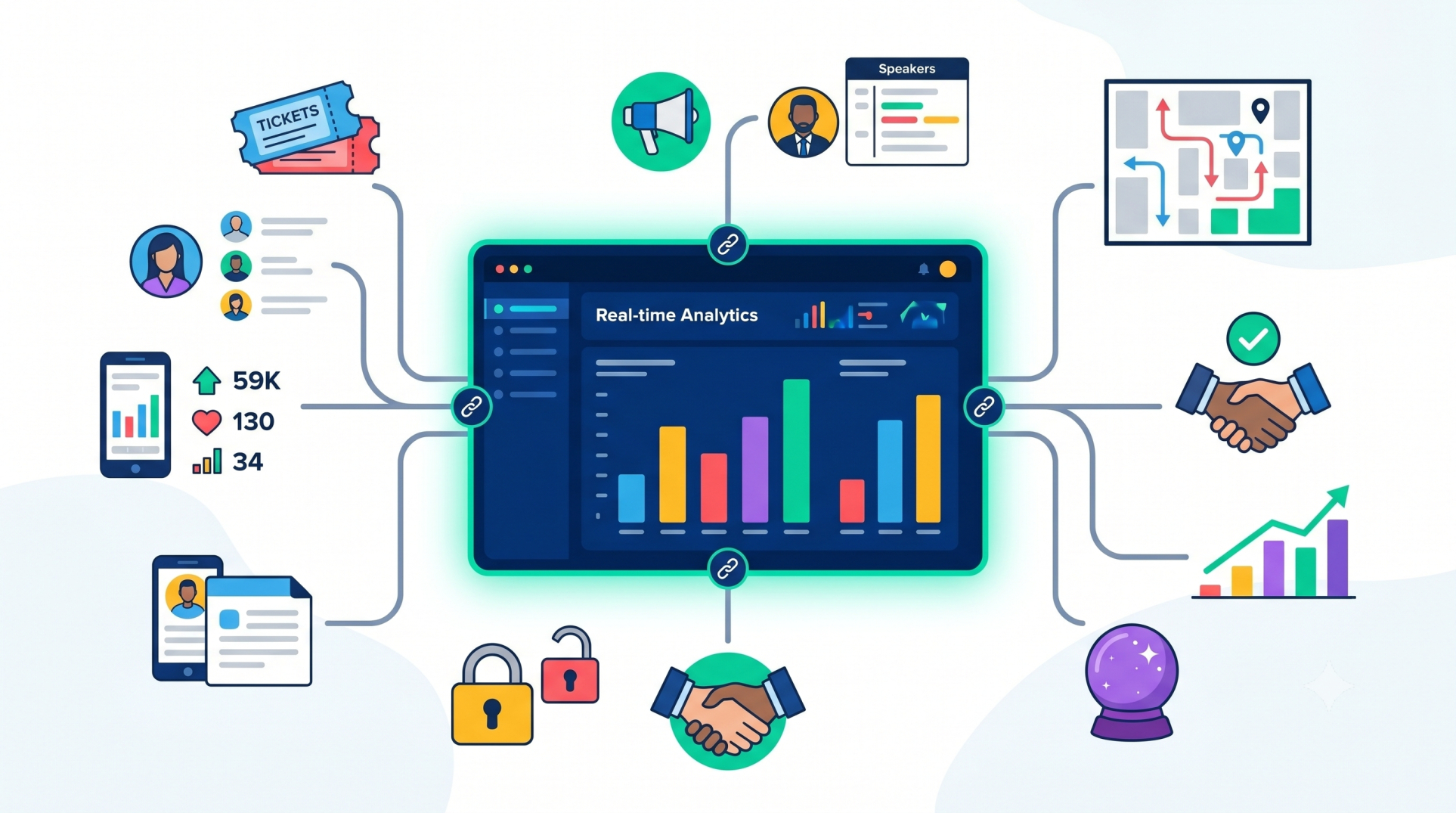
Strong integrations reduce manual work and data silos. 🔗
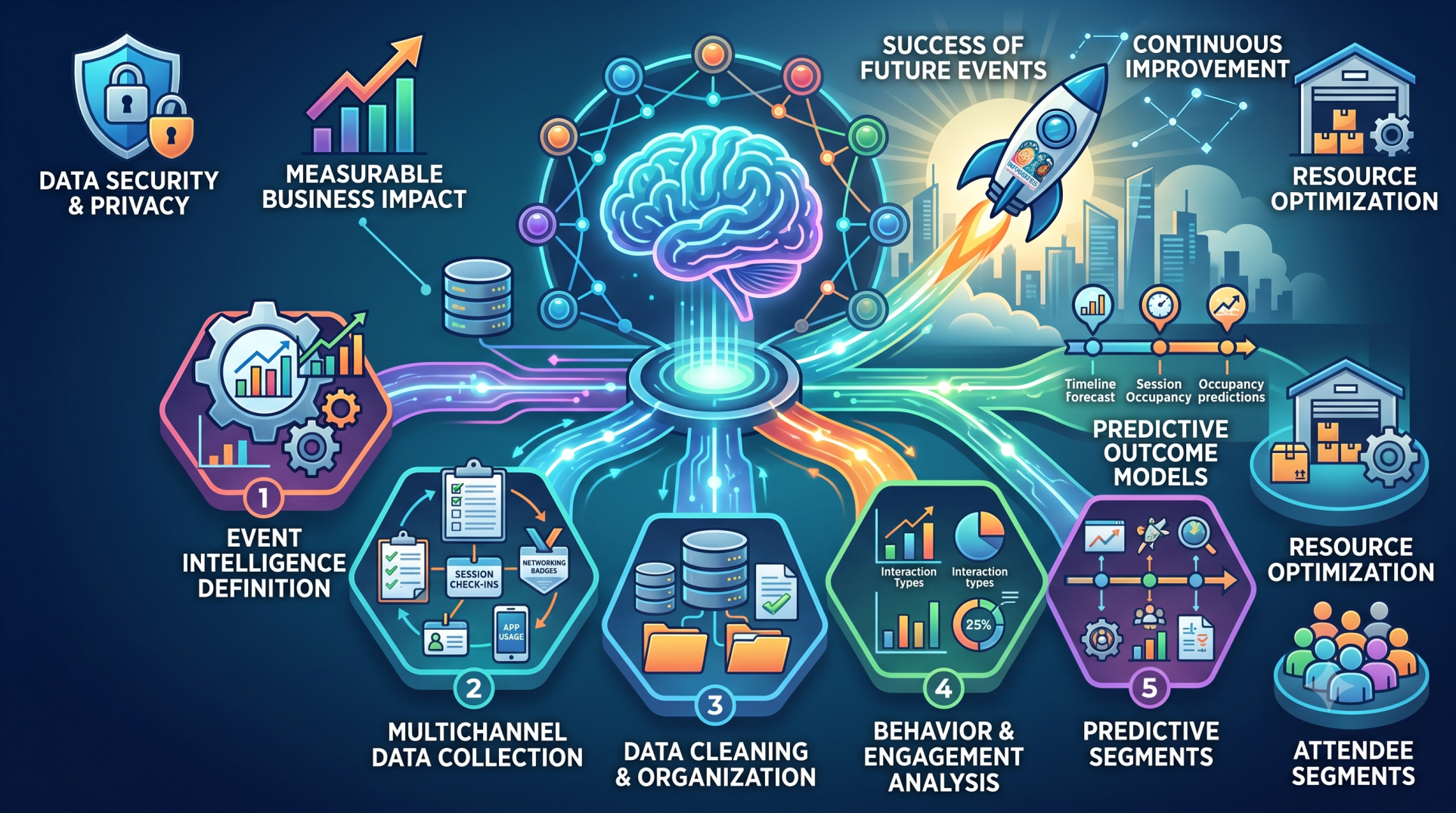
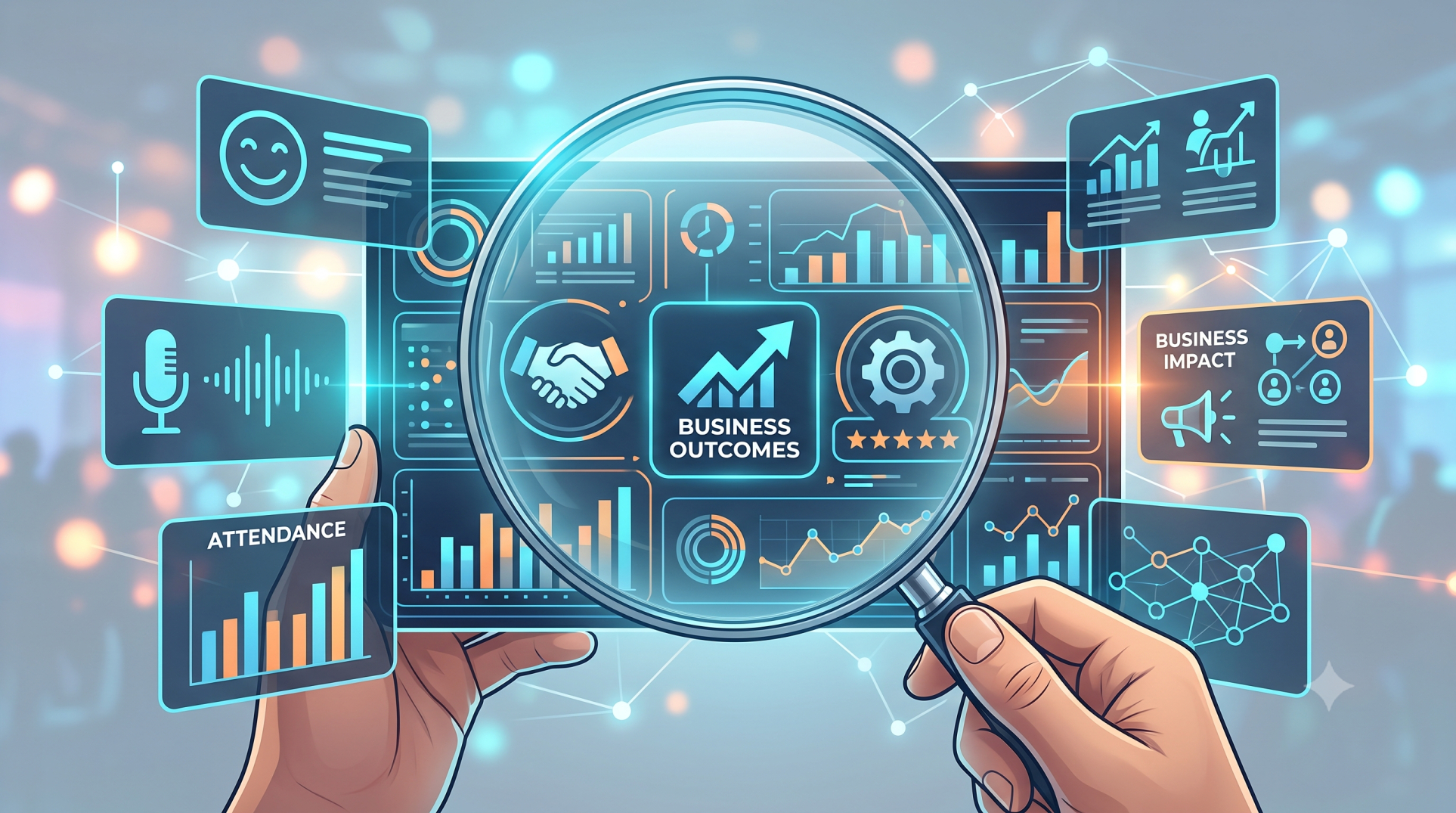
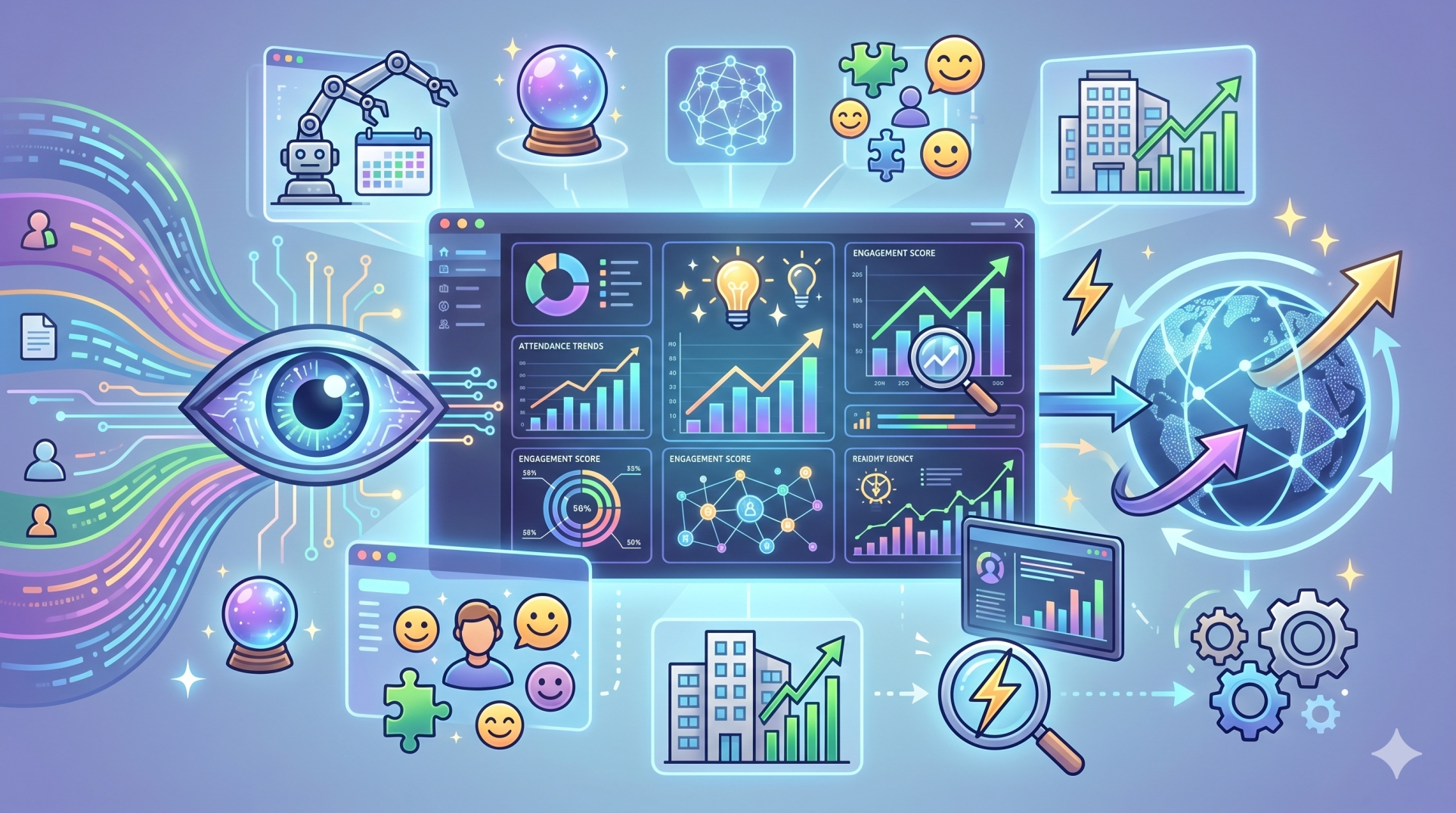
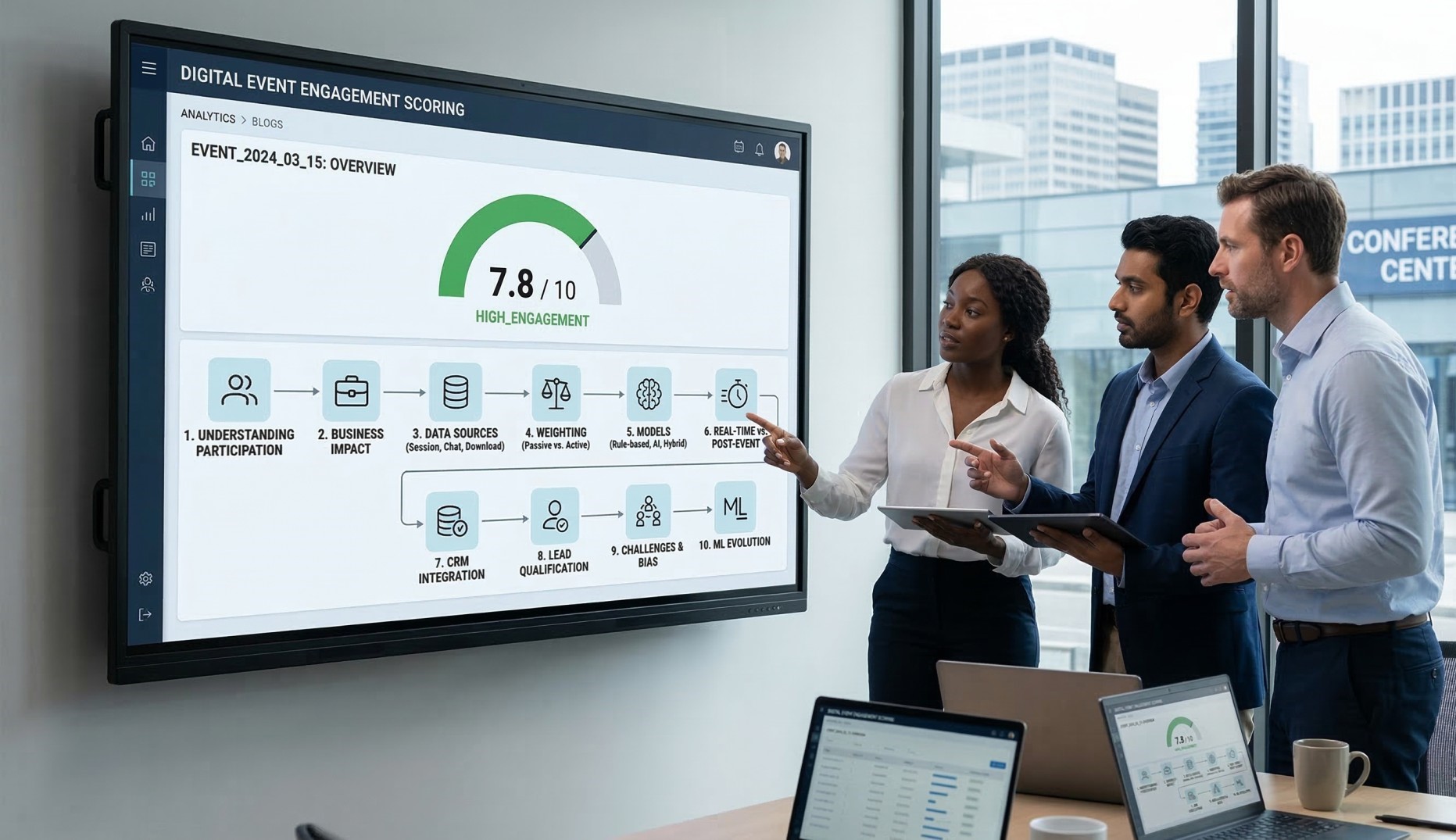
8. Reporting, Analytics, and Insights 📊
Data is essential for continuous improvement:
- Real-time dashboards and performance metrics ⚡
- Engagement and attendance tracking 👥
- Revenue and ROI reporting 💹
- Customizable and downloadable reports 📄
- Predictive insights and benchmarking 🔮
Better insights lead to smarter future planning. 🧠
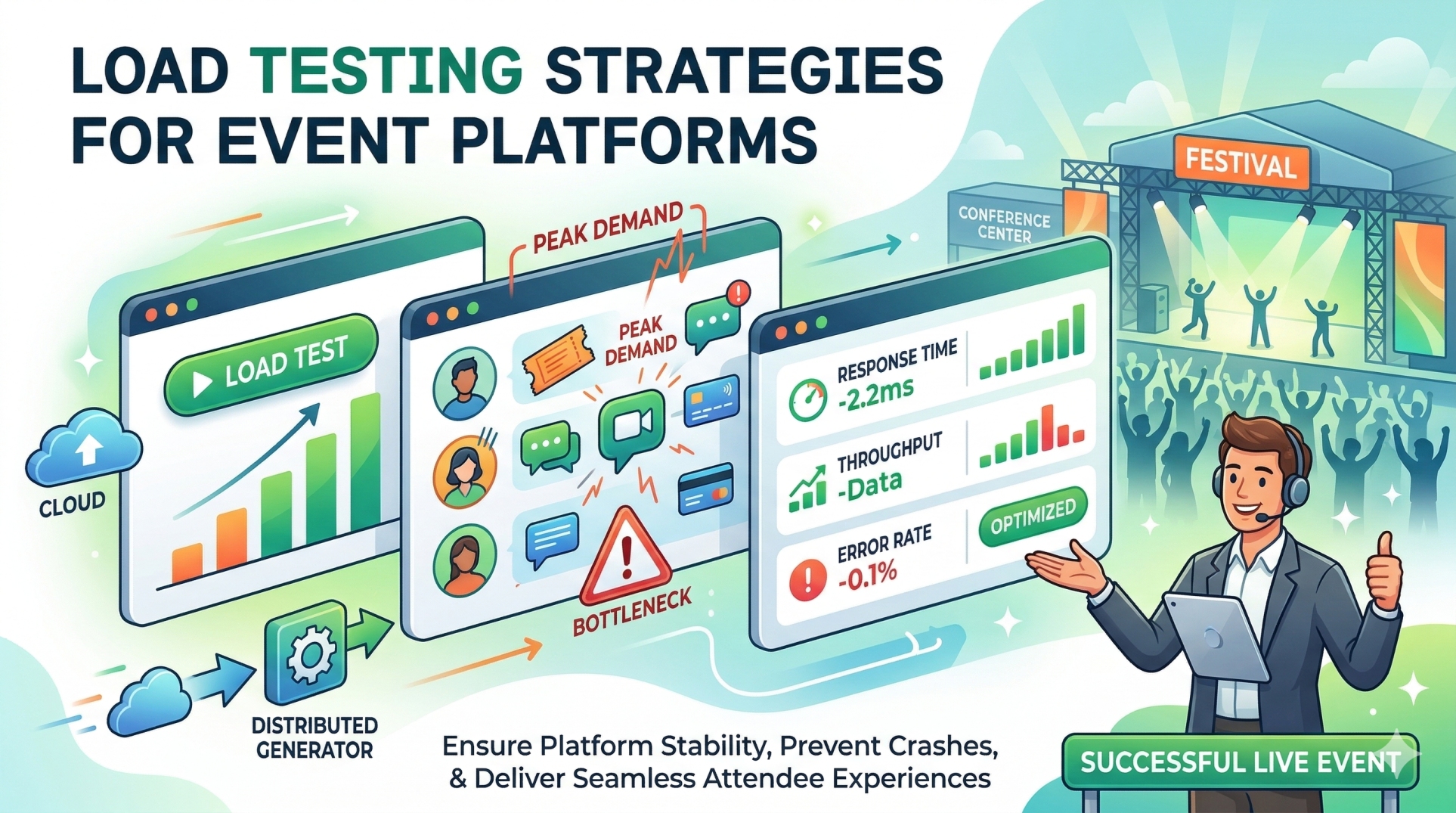
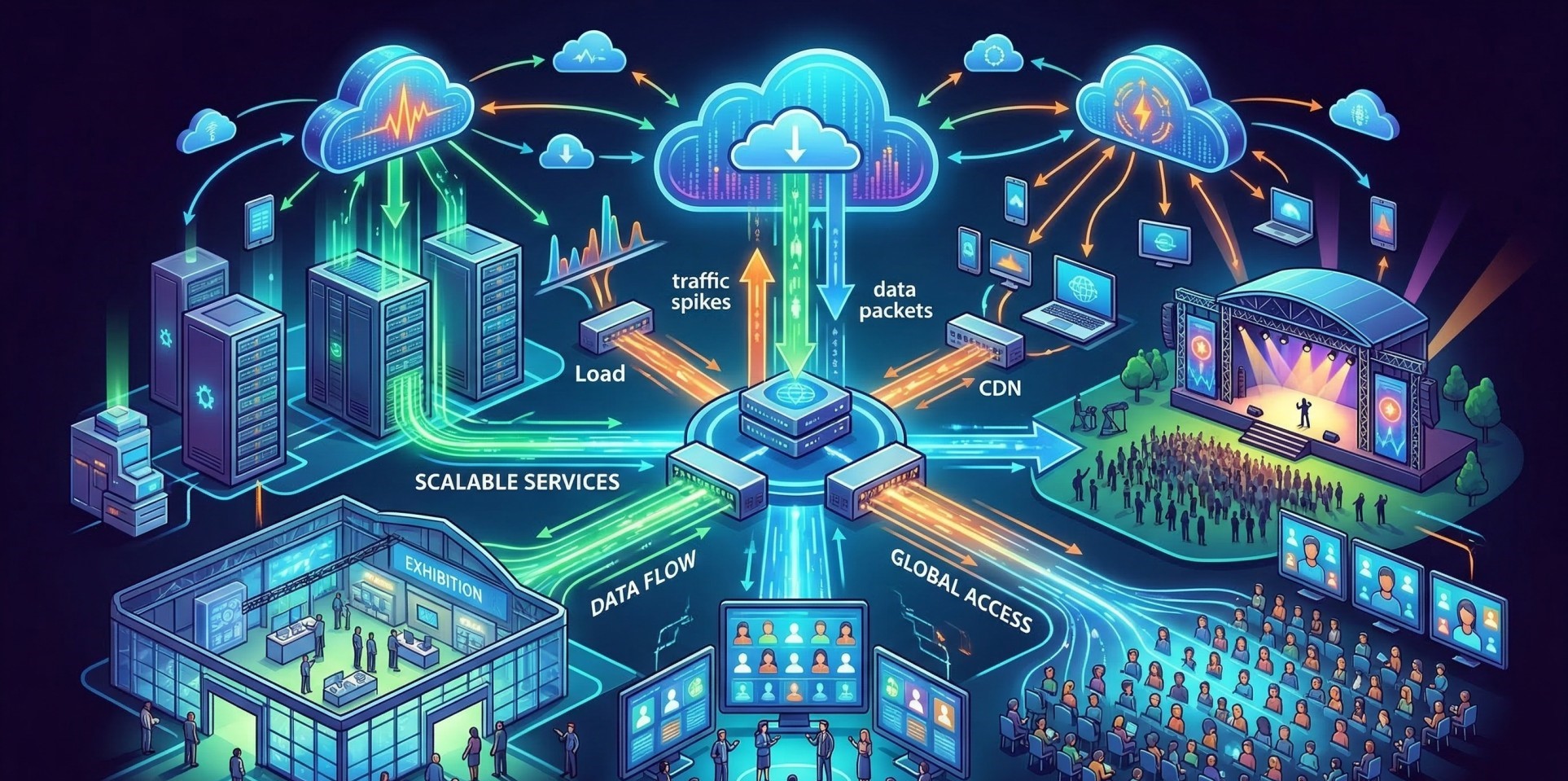
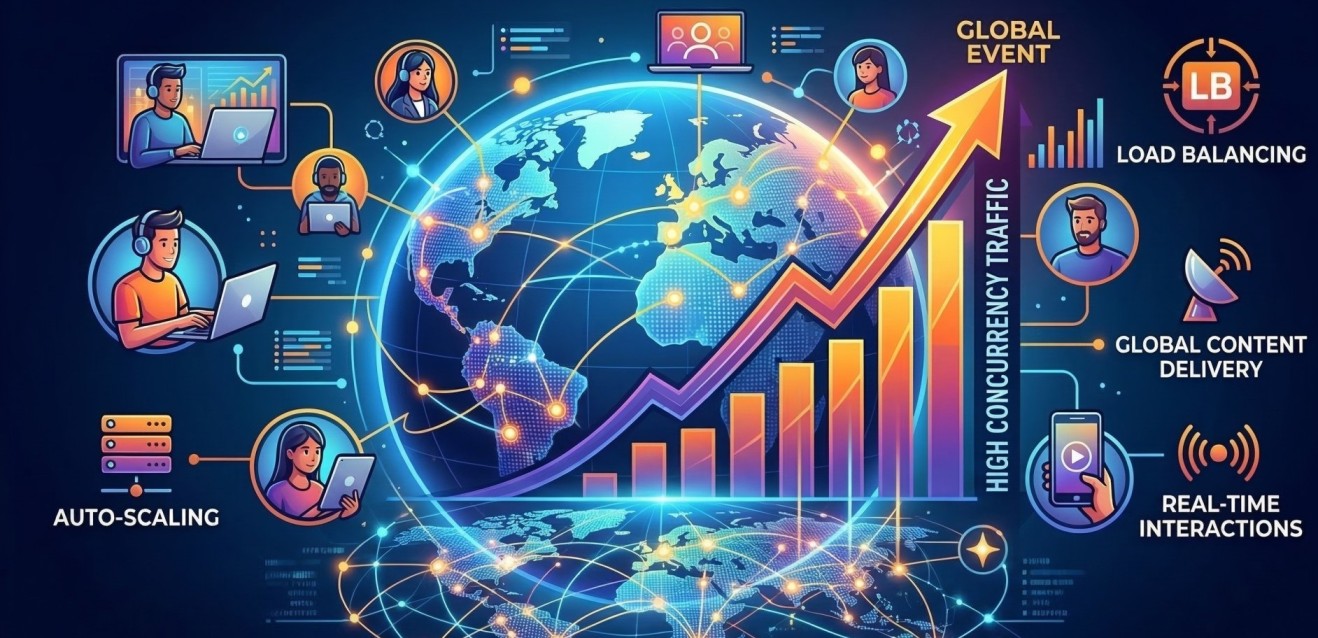
9. Scalability and Performance Reliability 📈
The platform must perform under pressure:
- Cloud-based infrastructure with elastic scaling ☁️
- High availability during traffic spikes ⚡
- Support for concurrent users and live interactions 👥
- Proven performance for large, global events 🌍
Scalability ensures stability during critical moments. 🛡️
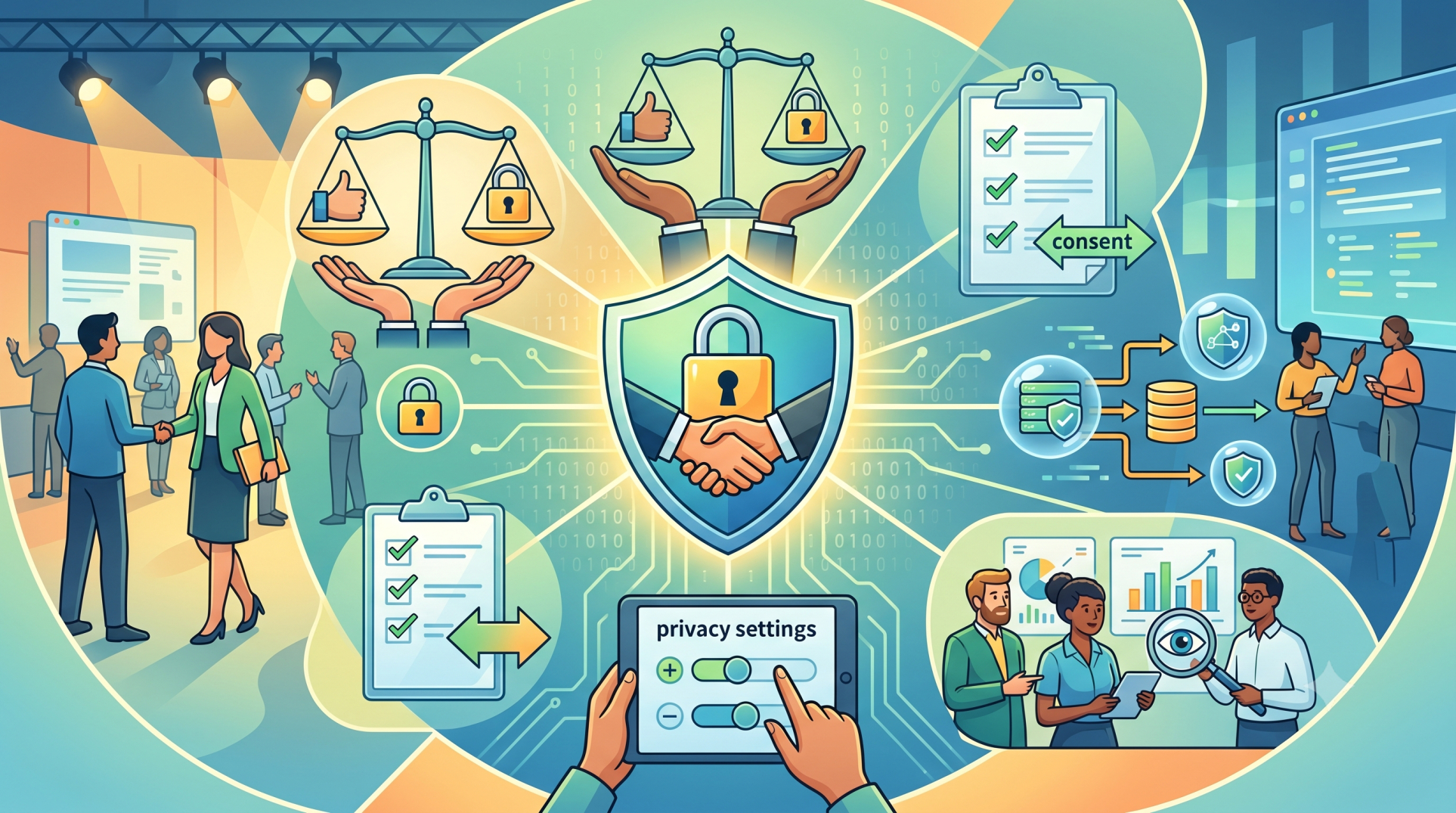
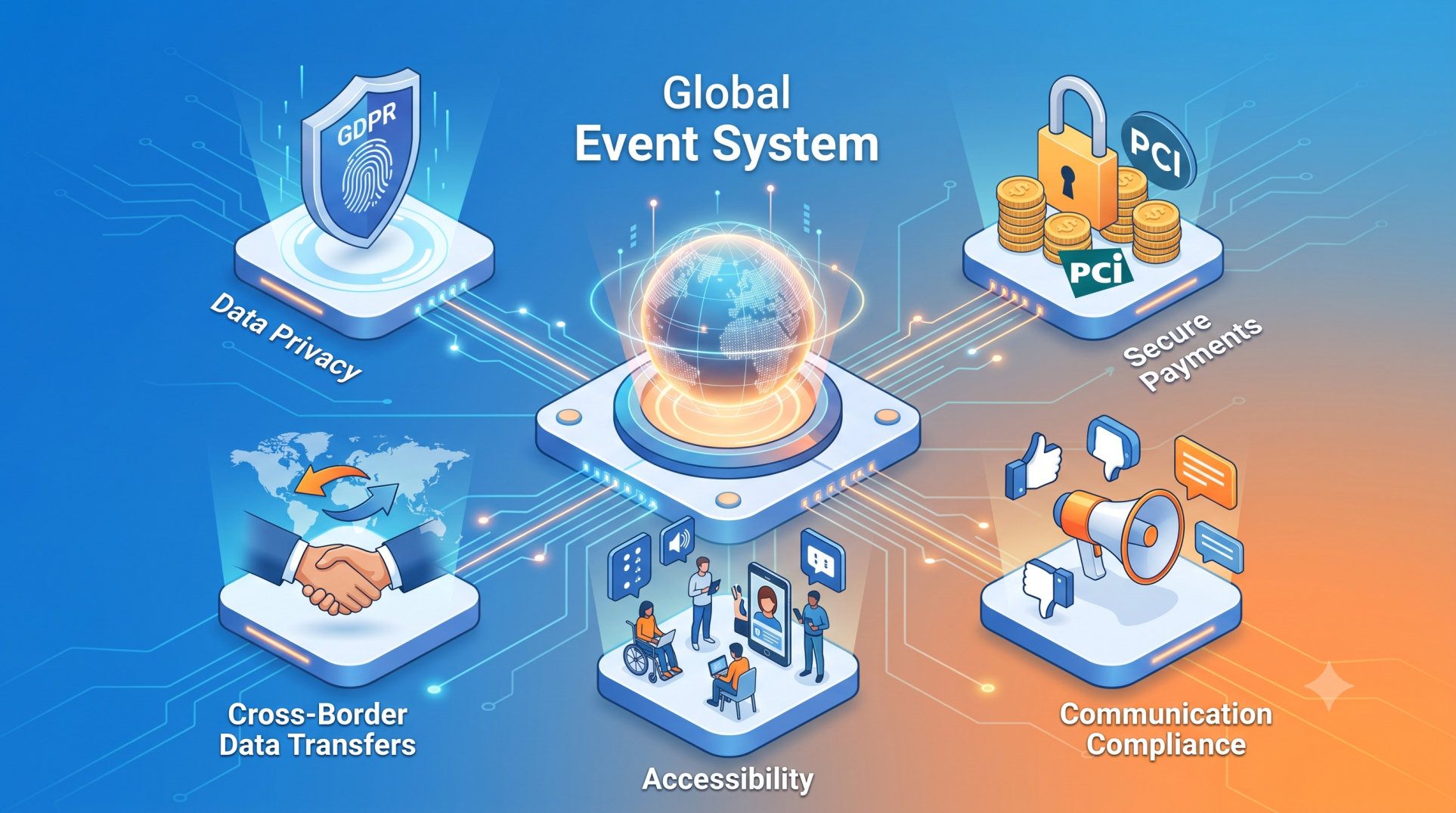
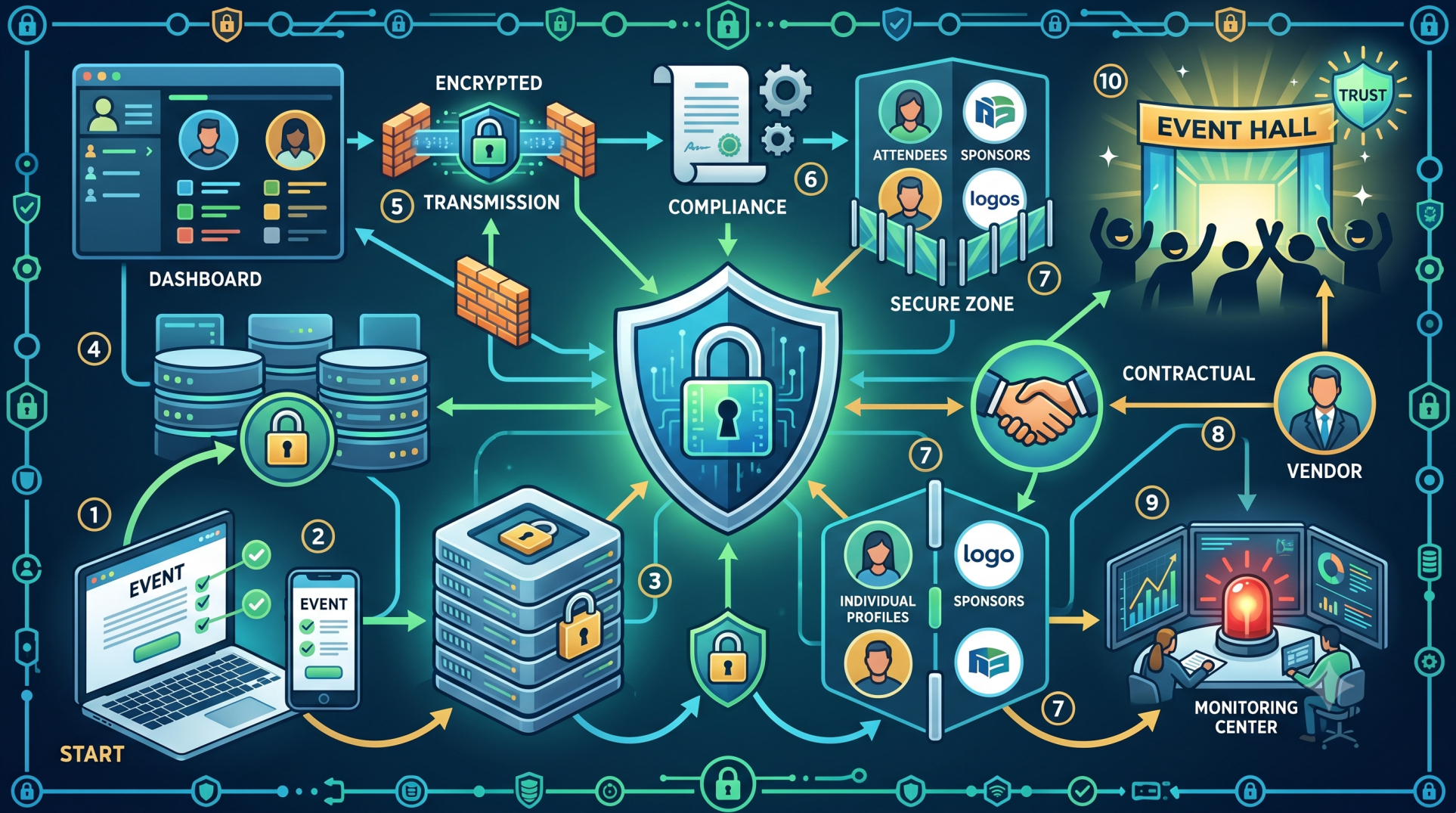
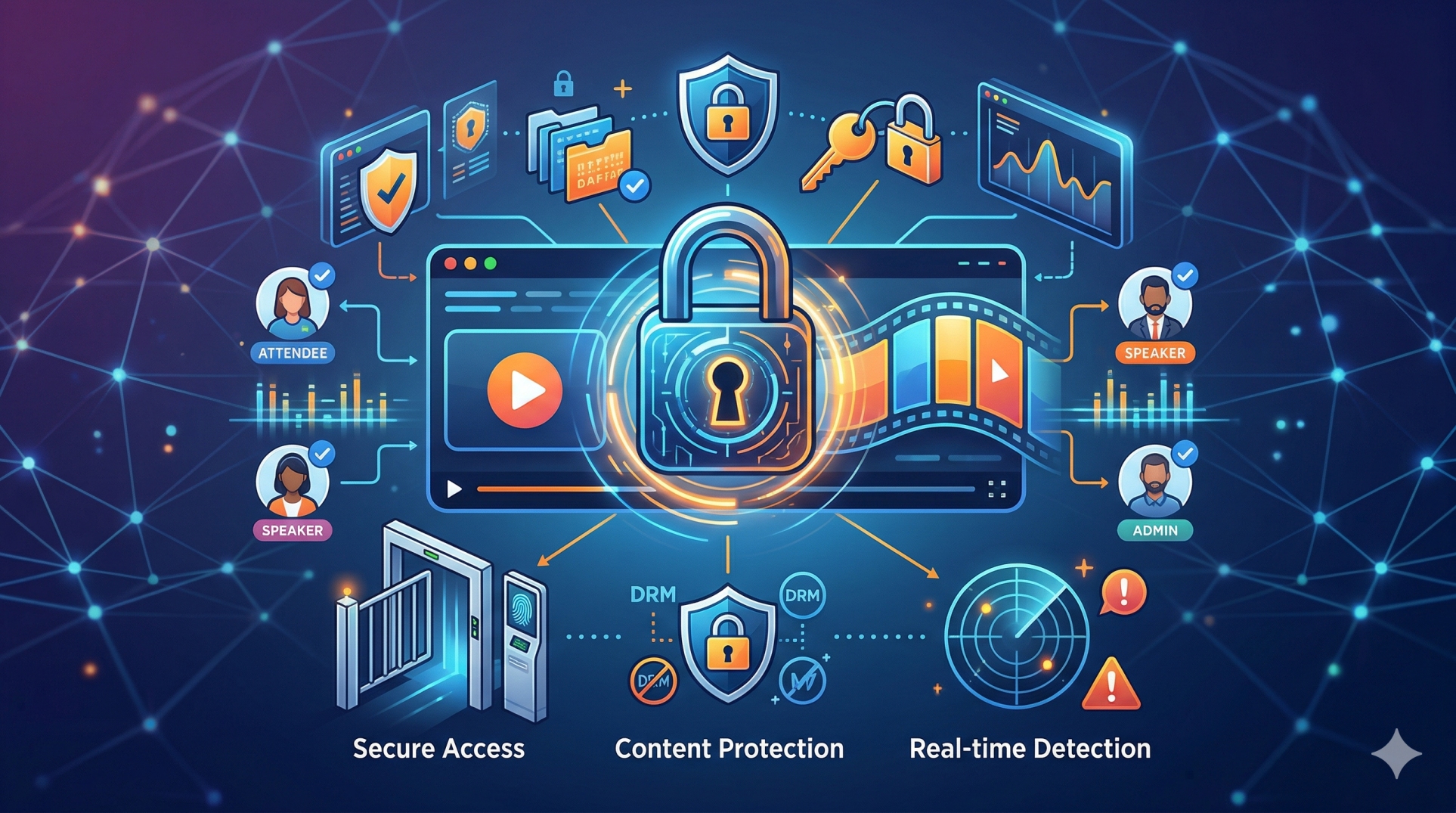
10. Security, Privacy, and Compliance 🔐
Protecting data is non-negotiable:
- Encryption for data at rest and in transit 🔒
- Role-based user access 👤
- Compliance with data protection regulations ⚖️
- Audit logs and monitoring 📜
- Regular security updates and testing 🧪
Strong security builds trust with attendees and stakeholders. 🤝
11. Vendor Support and Service Quality 🤝
Reliable support is essential for event success:
- Structured onboarding and training 🎓
- 24/7 technical support during live events ⏱️
- Knowledge bases and community resources 📚
- Clear service-level agreements 📄
Responsive support reduces risk during high-stakes events. 🛟
12. Pricing and Total Cost of Ownership 💰
Look beyond the sticker price:
- Subscription or usage-based pricing models 📦
- Setup and configuration costs ⚙️
- Training and onboarding expenses 🎓
- Integration and ongoing support fees 🔧
- Costs for add-ons or premium features ➕
Understanding total cost helps avoid unexpected expenses. 📉
Final Thoughts 🏁
Selecting the right event management software in 2026 requires balancing immediate needs with long-term scalability. Prioritize platforms that combine flexibility, strong integrations, advanced analytics, and engaging experiences—supported by robust security and dependable service. The right solution will streamline operations, elevate attendee experiences, and support sustainable event growth. 🚀
See more blogs
You can all the articles below





























Ready to Find Your Perfect Solution?
Let us show you how Event Software can transform your events

AI-powered event management platform that helps you create stunning events .